THE ADVENTURE COLLECTIVE® · Independent discovery and booking for outdoor travel

Follow the Machame Route across rainforest, Shira Plateau, and scree to reach Uhuru Peak in eight days. This guided, walk-high-sleep-low itinerary balances acclimatization and challenge for a practical summit attempt.
Follow the Machame Route across rainforest, Shira Plateau, and scree to reach Uhuru Peak in eight days. This guided, walk-high-sleep-low itinerary balances acclimatization and challenge for a practical summit attempt.
A cold, star-bright hour before midnight: headlamps stitch a slow procession across scree as the mountain breathes around you. On the Machame route the climb moves like a story, beginning in humid rainforest and ending above the clouds at Uhuru Peak. You’ll sleep low and climb high to give your body a better chance against altitude, camping each night beneath the changing face of Kibo.
Verified experiences and guided adventures in the surrounding area.
Operated by Tastic Safaris · Moshi, Kilimanjaro Region
A cold, star-bright hour before midnight: headlamps stitch a slow procession across scree as the mountain breathes around you. On the Machame route the climb moves like a story, beginning in humid rainforest and ending above the clouds at Uhuru Peak. You’ll sleep low and climb high to give your body a better chance against altitude, camping each night beneath the changing face of Kibo.
Geology and history are close companions here. Kilimanjaro is a dormant stratovolcano whose volcanic layers yield the Shira Plateau and the scree fields near Barafu. The mountain has drawn explorers since Hans Meyer’s 1889 summit; today the slopes remain important to the Chagga people and to Tanzania’s protected national park system.
Expect steep forest tracks, muddy steps, high plateaus, and the exposed scramble up the Great Barranco Wall—non-technical but physically demanding. Nights are cold, especially above 4,000m; the summit push begins around midnight to reach Stella Point at sunrise and then Uhuru Peak.
Practicalities: the itinerary covers roughly 50–60km over eight days with maximum elevations near 5,895m. Moderate to strong fitness, layered clothing, and careful hydration are essential. Guided groups include porters and cooks, and camps provide tents and basic outdoor toilets. Allow time in Moshi for gear checks and acclimatization; respect park rules on waste and porter loads. With measured pacing and good gear, the Machame route is a practical, memorable path to Africa’s roof.
challenging.
8 days.
Good cardiovascular fitness with prior multi-day hikes; able to walk 4–6 hours daily on steep terrain and cope with high altitude.
No—Machame is non-technical. You will not need ropes or crampons, though experience with long days of hiking and altitude helps.
From Barafu camp to Uhuru Peak and back to camp can take 12–15 hours total depending on pace and conditions.
Yes—most operators offer rental for sleeping bags, down jackets, and boots; arrive early to check fit and condition.
Porters and guides are integral; tipping is customary and typically pooled—ask your operator for current local guidance.
Kilimanjaro’s first recorded ascent to what is now Uhuru Peak was in 1889; the mountain is also central to the Chagga communities living on its lower slopes.
Kilimanjaro National Park enforces strict waste and camping rules; choose operators who follow porter welfare guidelines and pack out non-biodegradable waste.
Tastic Safaris operates guided outdoor trips and adventures with an emphasis on safety, stewardship, and memorable experiences.
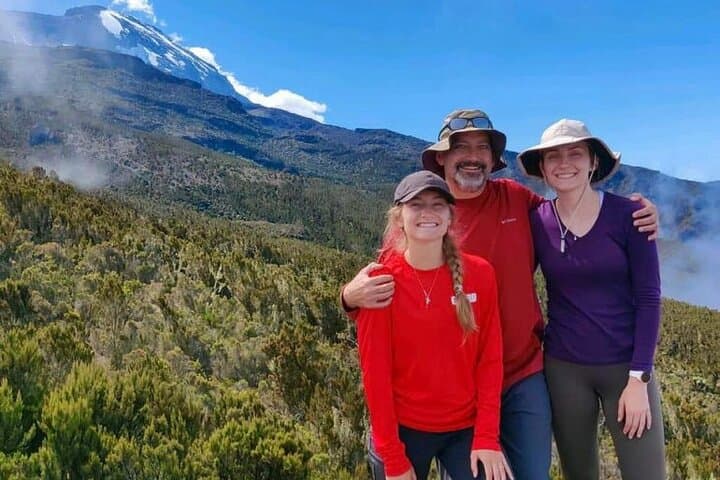
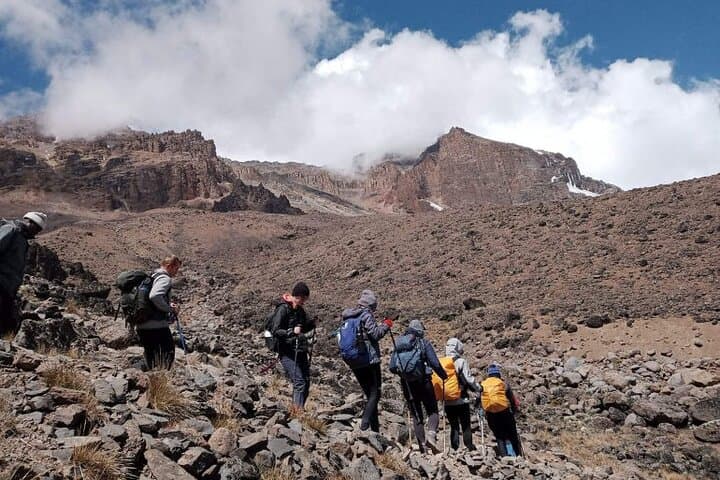
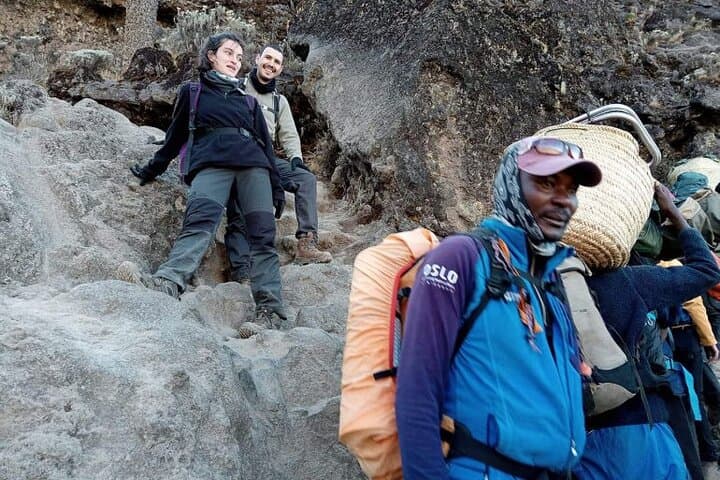

A cold, star-bright hour before midnight: headlamps stitch a slow procession across scree as the mountain breathes around you. On the Machame route the climb moves like a story, beginning in humid rainforest and ending above the clouds at Uhuru Peak. You’ll sleep low and climb high to give your body a better chance against altitude, camping each night beneath the changing face of Kibo.
A cold, star-bright hour before midnight: headlamps stitch a slow procession across scree as the mountain breathes around you. On the Machame route the climb moves like a story, beginning in humid rainforest and ending above the clouds at Uhuru Peak. You’ll sleep low and climb high to give your body a better chance against altitude, camping each night beneath the changing face of Kibo.
Geology and history are close companions here. Kilimanjaro is a dormant stratovolcano whose volcanic layers yield the Shira Plateau and the scree fields near Barafu. The mountain has drawn explorers since Hans Meyer’s 1889 summit; today the slopes remain important to the Chagga people and to Tanzania’s protected national park system.
Expect steep forest tracks, muddy steps, high plateaus, and the exposed scramble up the Great Barranco Wall—non-technical but physically demanding. Nights are cold, especially above 4,000m; the summit push begins around midnight to reach Stella Point at sunrise and then Uhuru Peak.
Practicalities: the itinerary covers roughly 50–60km over eight days with maximum elevations near 5,895m. Moderate to strong fitness, layered clothing, and careful hydration are essential. Guided groups include porters and cooks, and camps provide tents and basic outdoor toilets. Allow time in Moshi for gear checks and acclimatization; respect park rules on waste and porter loads. With measured pacing and good gear, the Machame route is a practical, memorable path to Africa’s roof.