THE ADVENTURE COLLECTIVE® · Independent discovery and booking for outdoor travel

This eight-day group tour moves from Lhasa’s landmark monasteries to the high passes, holy Yamdrok Lake and the foothills of Everest. Expect cultural immersion, long driven days across the Tibetan Plateau, and a night at or near Everest Base Camp with basic, high-altitude lodging.
This eight-day group tour moves from Lhasa’s landmark monasteries to the high passes, holy Yamdrok Lake and the foothills of Everest. Expect cultural immersion, long driven days across the Tibetan Plateau, and a night at or near Everest Base Camp with basic, high-altitude lodging.
You step out of a low-slung vehicle into thin, cold air and the city of Lhasa feels oddly oversized — prayer flags snapping, yak bells chiming, and a horizon that already leans toward the high mountains.
Verified experiences and guided adventures in the surrounding area.
Operated by Great Tibet Tour · Lhasa, Tibet Autonomous Region
You step out of a low-slung vehicle into thin, cold air and the city of Lhasa feels oddly oversized — prayer flags snapping, yak bells chiming, and a horizon that already leans toward the high mountains.
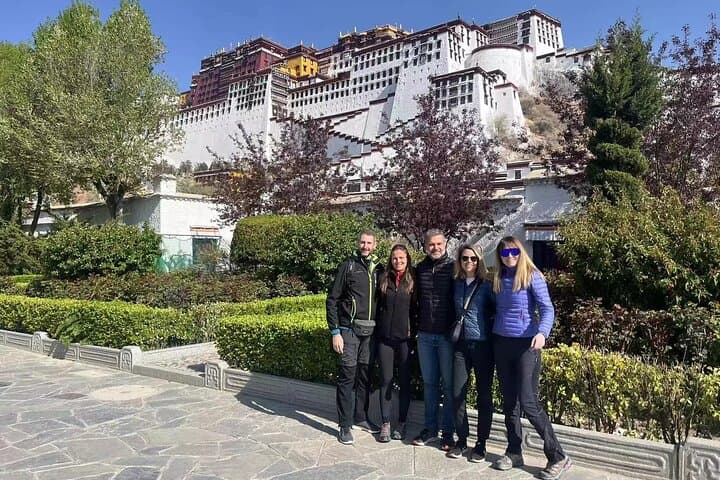
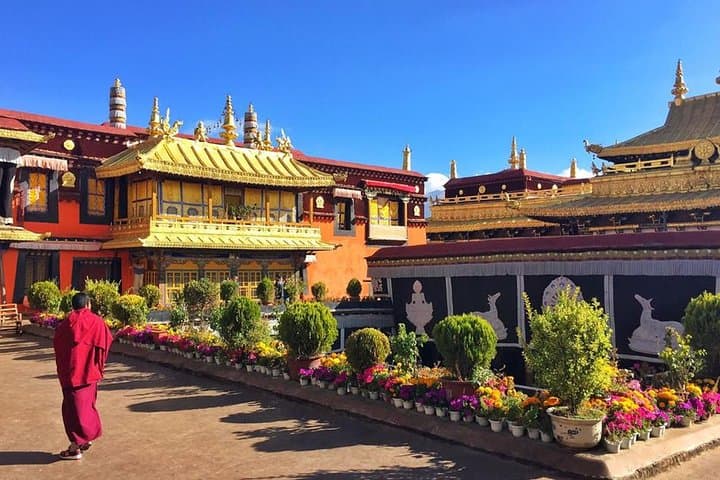
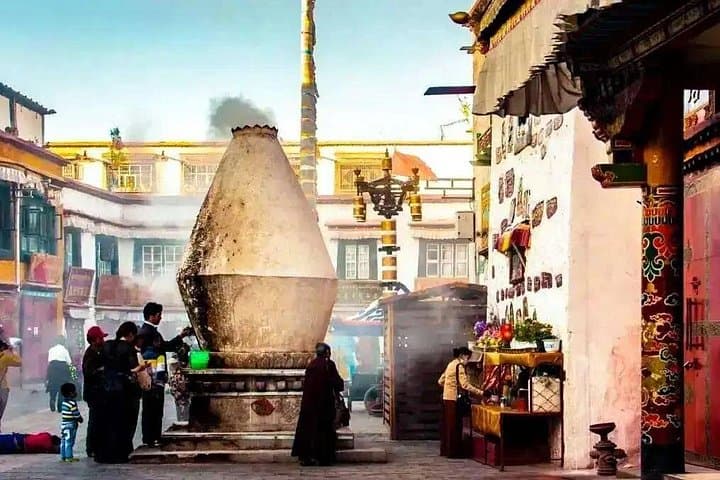
Begin in Lhasa with the Potala Palace and Jokhang Temple, where centuries of Tibetan Buddhism meet carved wood, butter lamps and steady pilgrimage rhythms. From the city the route climbs onto the Tibetan Plateau: sweeping salt-blue lakes like Yamdrok-tso, the roadside shimmer of Karola Glacier, and the high passes that test tires and lungs alike. Geology here is raw — uplifted sediment and folded ridge lines that pushed the Himalaya skyward; river valleys like the Yarlung Tsangpo carve out green ribbons amid vast grasslands.
Gyantse and Shigatse offer fortresslike monasteries (Pelkor Chode, Tashilunpo) where murals and reliquaries anchor local culture. The final stretch into the Everest National Nature Reserve opens into a wide glacial basin; on clear evenings Everest turns gold and the air tastes of stone and sun.
Practical guidance: acclimatize slowly in Lhasa, carry altitude meds, and expect long driving days with frequent stops. Permit paperwork (Tibet Tourism Bureau permit) is mandatory; keep passport copies and a printed permit with you. Summer brings nomad tents at EBC and more road accessibility; winter requires warmer layers and fewer services. Plan for basic dorm-style lodging at high elevations, sunscreen and sunglasses for intense UV, and modest walking shoes for temple courtyards and short hikes.
moderate.
8 days.
Suitable for travelers in average fitness who can endure long vehicle days and short, easy walks at altitude; basic mobility required.
Yes. Foreign visitors require a Tibet Tourism Bureau permit arranged before arrival; tour operators typically handle the application with passport details.
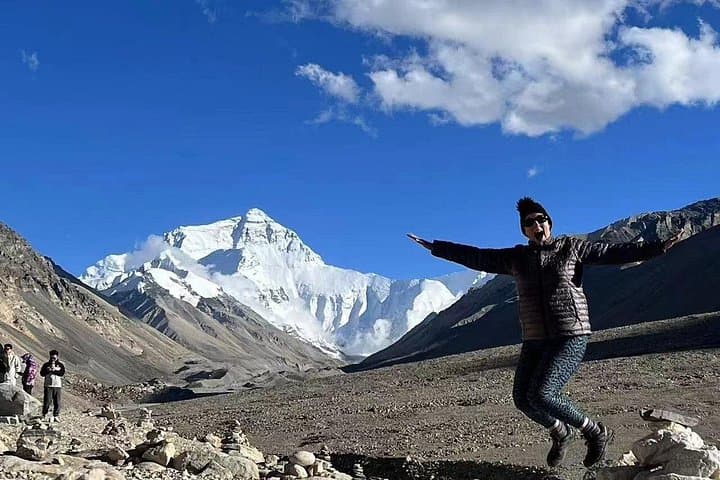
The itinerary visits the Everest National Nature Reserve and offers views from Rongbuk or the EBC tent area when weather permits; visibility depends on season and conditions.
Possibly — the tour reaches elevations above 5,000 m; slow acclimatization, hydration, avoiding alcohol and carrying medication like acetazolamide help reduce risks.
Summer stays often use nomad tents with dorm-style beds; in colder months lodging is limited to basic guesthouses such as Rongbuk Monastery guesthouse, also dorm-style.
The route follows trade and pilgrimage arteries across the Tibetan Plateau; monasteries like Tashilunpo and Pelkor Chode date to the 15th and 14th centuries and anchor local religious life.
Travelers should respect fragile high‑altitude ecosystems: pack out waste, minimize campfire use, and follow park rules inside the Everest National Nature Reserve to reduce impact.
Great Tibet Tour operates guided outdoor trips and adventures with an emphasis on safety, stewardship, and memorable experiences.
You step out of a low-slung vehicle into thin, cold air and the city of Lhasa feels oddly oversized — prayer flags snapping, yak bells chiming, and a horizon that already leans toward the high mountains.
You step out of a low-slung vehicle into thin, cold air and the city of Lhasa feels oddly oversized — prayer flags snapping, yak bells chiming, and a horizon that already leans toward the high mountains.
Begin in Lhasa with the Potala Palace and Jokhang Temple, where centuries of Tibetan Buddhism meet carved wood, butter lamps and steady pilgrimage rhythms. From the city the route climbs onto the Tibetan Plateau: sweeping salt-blue lakes like Yamdrok-tso, the roadside shimmer of Karola Glacier, and the high passes that test tires and lungs alike. Geology here is raw — uplifted sediment and folded ridge lines that pushed the Himalaya skyward; river valleys like the Yarlung Tsangpo carve out green ribbons amid vast grasslands.
Gyantse and Shigatse offer fortresslike monasteries (Pelkor Chode, Tashilunpo) where murals and reliquaries anchor local culture. The final stretch into the Everest National Nature Reserve opens into a wide glacial basin; on clear evenings Everest turns gold and the air tastes of stone and sun.
Practical guidance: acclimatize slowly in Lhasa, carry altitude meds, and expect long driving days with frequent stops. Permit paperwork (Tibet Tourism Bureau permit) is mandatory; keep passport copies and a printed permit with you. Summer brings nomad tents at EBC and more road accessibility; winter requires warmer layers and fewer services. Plan for basic dorm-style lodging at high elevations, sunscreen and sunglasses for intense UV, and modest walking shoes for temple courtyards and short hikes.