THE ADVENTURE COLLECTIVE® · Independent discovery and booking for outdoor travel

An 8-day Lemosho ascent guides you from rainforest to Africa’s rooftop, balancing gradual acclimatization with dramatic terrain changes. This guide explains what to expect on trail, how the route improves summit odds, and practical tips to prepare.
An 8-day Lemosho ascent guides you from rainforest to Africa’s rooftop, balancing gradual acclimatization with dramatic terrain changes. This guide explains what to expect on trail, how the route improves summit odds, and practical tips to prepare.
You step off the vehicle at Londorossi Gate and the forest swallows the last heat of the lowlands. Rainforest ferns brush your sleeves, colobus monkeys chatter overhead and the trail angles upward, promising a sequence of ecosystems rather than a single vista.
Verified experiences and guided adventures in the surrounding area.
Operated by VISION SAFARI & TOURS · Moshi, Kilimanjaro Region
You step off the vehicle at Londorossi Gate and the forest swallows the last heat of the lowlands. Rainforest ferns brush your sleeves, colobus monkeys chatter overhead and the trail angles upward, promising a sequence of ecosystems rather than a single vista.
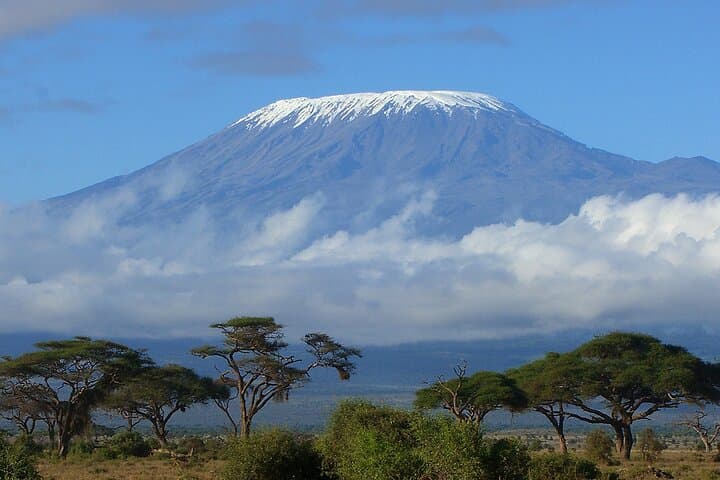
Kilimanjaro is an ancient shield volcano whose uplifted flanks and collapsed Shira caldera record repeated eruptions and glacial recession; the Lemosho Route threads that geology through rainforest, moorland, the Shira Plateau, and the stark arctic of the summit. The local Chagga and Meru communities have long read the mountain’s weather and trails; their porters and guides translate those lessons into high-success summit strategies.
Expect steady gains and designed acclimatization: rainforest treks on days 1–2, plateau walking on day 3, a high-acclimatization push to Lava Tower (4,630m) then sleep lower, technical scrambling at the Barranco Wall, exposure and wind toward Barafu, and a midnight summit push to Uhuru Peak (5,895m). The summit night tests stamina—headlamp beams, frozen breath, and thin air shape every step.
Practical guidance: train with long multi-hour hikes and uphill intervals, prioritize a layered clothing system and a reliable sleeping bag, and plan for 6–8 hours of active trekking on several days plus an 8–12 hour summit day. Hydration, slow pacing, and following the guide-led acclimatization schedule are the best defenses against altitude sickness. Permits and park fees are required; the route’s higher success rate stems from its extra acclimatization days and experienced crew.
challenging.
8 days.
Good cardiovascular fitness and prior long-day hiking experience; be comfortable with multiple days of uphill walking and carrying a daypack.
No ropes or technical ice-climbing gear are required on the Lemosho route; basic scrambling ability and sturdy boots are sufficient, though guides may use poles and you should bring crampons if conditions are icy.
Permits and park fees are mandatory and normally arranged by the outfitter; they cover access, park conservation, and rescue services—confirm they’re included before booking.
Lemosho’s longer profile and added acclimatization days improve summit odds by allowing gradual altitude gain and a climb-high sleep-low pattern, which reduces acute mountain sickness risk.
Charging options are limited and usually available for a fee at base camps; bring spare batteries and a power bank and confirm availability with your operator.
Kilimanjaro formed from repeated volcanic activity and the Shira caldera records one of its ancient eruptions; local Chagga people have inhabited its lower slopes for centuries and trade in agricultural terraces around Moshi.
Kilimanjaro National Park manages strict permit systems and campsite rules to limit erosion and waste; travelers should pack out non-biodegradable trash and use provided toilet facilities.
VISION SAFARI & TOURS operates guided outdoor trips and adventures with an emphasis on safety, stewardship, and memorable experiences.
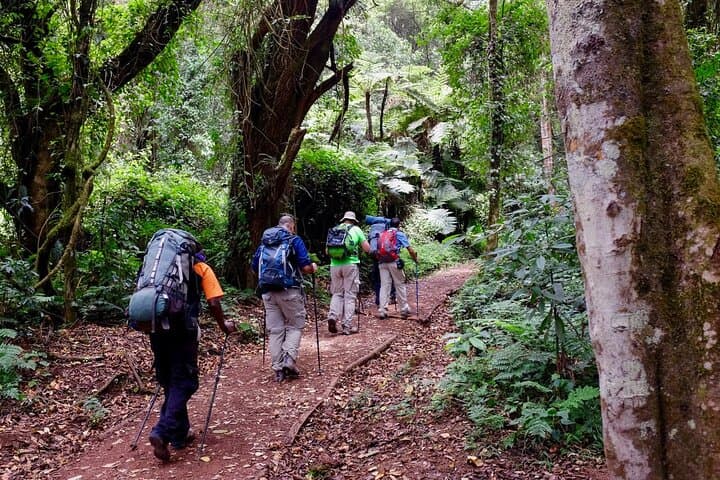
You step off the vehicle at Londorossi Gate and the forest swallows the last heat of the lowlands. Rainforest ferns brush your sleeves, colobus monkeys chatter overhead and the trail angles upward, promising a sequence of ecosystems rather than a single vista.
You step off the vehicle at Londorossi Gate and the forest swallows the last heat of the lowlands. Rainforest ferns brush your sleeves, colobus monkeys chatter overhead and the trail angles upward, promising a sequence of ecosystems rather than a single vista.
Kilimanjaro is an ancient shield volcano whose uplifted flanks and collapsed Shira caldera record repeated eruptions and glacial recession; the Lemosho Route threads that geology through rainforest, moorland, the Shira Plateau, and the stark arctic of the summit. The local Chagga and Meru communities have long read the mountain’s weather and trails; their porters and guides translate those lessons into high-success summit strategies.
Expect steady gains and designed acclimatization: rainforest treks on days 1–2, plateau walking on day 3, a high-acclimatization push to Lava Tower (4,630m) then sleep lower, technical scrambling at the Barranco Wall, exposure and wind toward Barafu, and a midnight summit push to Uhuru Peak (5,895m). The summit night tests stamina—headlamp beams, frozen breath, and thin air shape every step.
Practical guidance: train with long multi-hour hikes and uphill intervals, prioritize a layered clothing system and a reliable sleeping bag, and plan for 6–8 hours of active trekking on several days plus an 8–12 hour summit day. Hydration, slow pacing, and following the guide-led acclimatization schedule are the best defenses against altitude sickness. Permits and park fees are required; the route’s higher success rate stems from its extra acclimatization days and experienced crew.