THE ADVENTURE COLLECTIVE® · Independent discovery and booking for outdoor travel

An 8-day ascent on the Lemosho Route takes you from rainforest to Africa’s highest summit, with extra days built for acclimatization. Read practical route details, daily elevations, and planning tips for a safer, more successful climb.
An 8-day ascent on the Lemosho Route takes you from rainforest to Africa’s highest summit, with extra days built for acclimatization. Read practical route details, daily elevations, and planning tips for a safer, more successful climb.
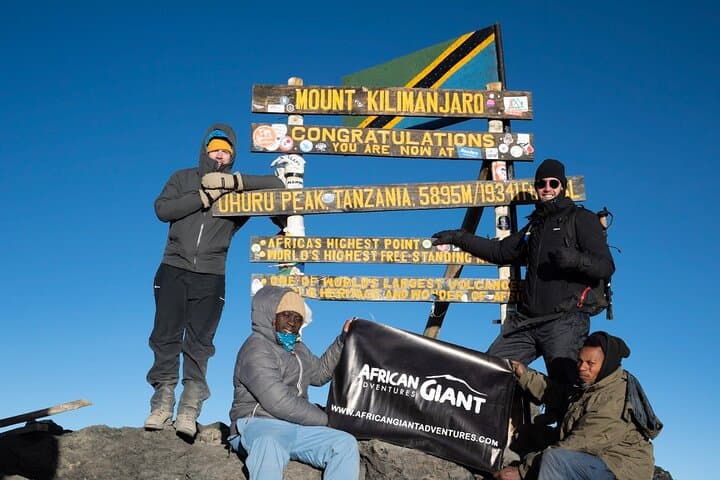
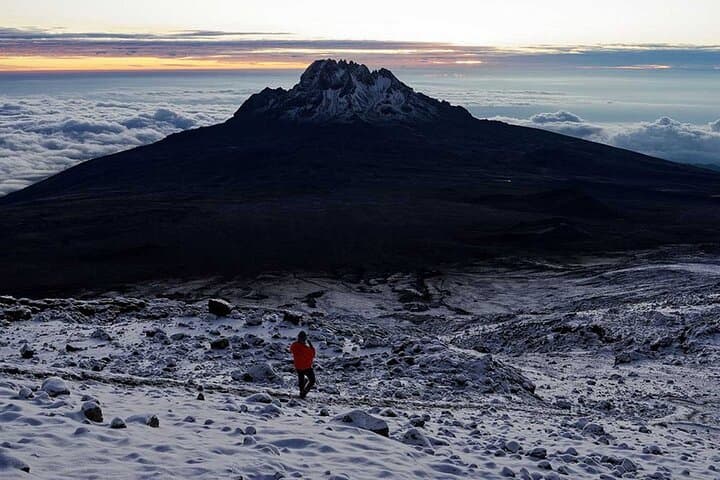
Dawn on the Lemosho Ridge throws a pale light across heather and volcanic rock; your headlamp bobs with the line of porters and guides as the forest opens onto the high plateau. The route moves from montane rainforest through moorland and alpine desert before the thin, Arctic air around Uhuru Peak tests every step.
Verified experiences and guided adventures in the surrounding area.
Operated by African Giant Adventures · Arusha, Arusha Region
Dawn on the Lemosho Ridge throws a pale light across heather and volcanic rock; your headlamp bobs with the line of porters and guides as the forest opens onto the high plateau. The route moves from montane rainforest through moorland and alpine desert before the thin, Arctic air around Uhuru Peak tests every step.
Kilimanjaro is a dormant stratovolcano composed of three cones—Kibo, Mawenzi and Shira—whose geologic story reads in the layered ridges and the shrinking ice fields near the summit. The mountain sits within Kilimanjaro National Park, designated a UNESCO site in recognition of its unique ecology and cultural ties to the Chagga people who farm its lower slopes. Early explorers and climbers mapped the ridgelines in the late 19th century; modern treks follow established camps and managed trails to reduce impact.
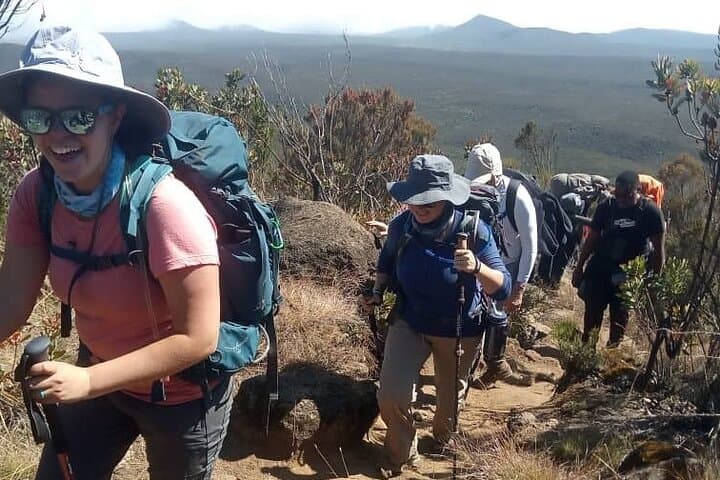
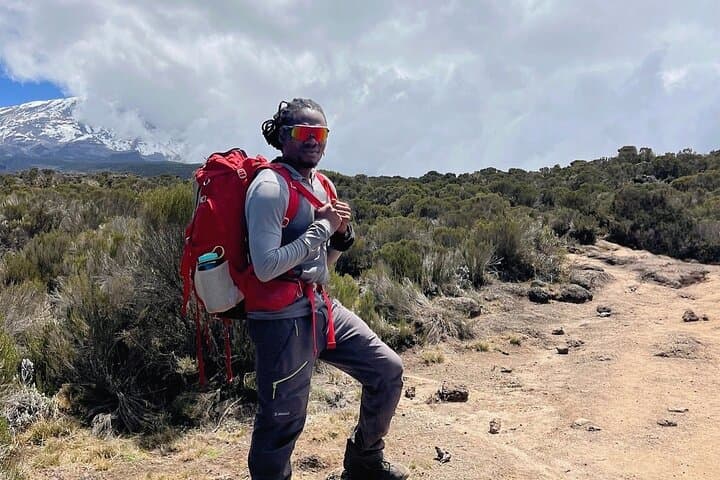
Expect daily climbs of 3–6 miles with steady elevation gains: early days rise from about 1,830m to the Shira Plateau (3,500m) while the summit day runs a punishing 11–13 hours up to 5,895m and a long descent. Terrain shifts—muddy forest tracks, tussock moorland, scree fields and hard-packed alpine paths—so planning matters. Hydrate steadily, pace for acclimatization, and keep clothing layers ready for temperature swings. Summit pushes start around midnight; practiced rhythm (walking poles, short steps, regular snack breaks) and listening to your guide are the best predictors of success. Post-trek, a hot shower in Arusha and possibly a safari make for a full Tanzanian celebration.
difficult.
8 days (multi-day trek).
Good cardiovascular fitness with endurance for back-to-back days of hiking and one very long summit day; prior multi-day hikes recommended.
Lemosho’s added acclimatization time improves summit success compared with shorter routes, but success depends on fitness, pacing, and altitude response—many operators report higher-than-average summit rates.
No technical gear is required for the standard Lemosho route; the climb is a non-technical trek, though crampons may be used by guides during icy conditions.
Ascend slowly, stay hydrated, eat regularly, communicate symptoms to guides early, and use the itinerary’s acclimatization days; some climbers use prophylactic medication—consult a physician first.
Tipping is customary in Tanzania; discretionary amounts depend on group size and length of trek—your operator can provide suggested scales before departure.
Kilimanjaro’s three volcanic cones formed millions of years ago; explorers reached the summit in the late 19th century and the peak remains a cultural marker for local Chagga communities.
Kilimanjaro National Park manages permits and guides to limit impact—stick to trails, avoid single-use plastics, and use local services to support community-based conservation.
African Giant Adventures operates guided outdoor trips and adventures with an emphasis on safety, stewardship, and memorable experiences.
Dawn on the Lemosho Ridge throws a pale light across heather and volcanic rock; your headlamp bobs with the line of porters and guides as the forest opens onto the high plateau. The route moves from montane rainforest through moorland and alpine desert before the thin, Arctic air around Uhuru Peak tests every step.
Dawn on the Lemosho Ridge throws a pale light across heather and volcanic rock; your headlamp bobs with the line of porters and guides as the forest opens onto the high plateau. The route moves from montane rainforest through moorland and alpine desert before the thin, Arctic air around Uhuru Peak tests every step.
Kilimanjaro is a dormant stratovolcano composed of three cones—Kibo, Mawenzi and Shira—whose geologic story reads in the layered ridges and the shrinking ice fields near the summit. The mountain sits within Kilimanjaro National Park, designated a UNESCO site in recognition of its unique ecology and cultural ties to the Chagga people who farm its lower slopes. Early explorers and climbers mapped the ridgelines in the late 19th century; modern treks follow established camps and managed trails to reduce impact.
Expect daily climbs of 3–6 miles with steady elevation gains: early days rise from about 1,830m to the Shira Plateau (3,500m) while the summit day runs a punishing 11–13 hours up to 5,895m and a long descent. Terrain shifts—muddy forest tracks, tussock moorland, scree fields and hard-packed alpine paths—so planning matters. Hydrate steadily, pace for acclimatization, and keep clothing layers ready for temperature swings. Summit pushes start around midnight; practiced rhythm (walking poles, short steps, regular snack breaks) and listening to your guide are the best predictors of success. Post-trek, a hot shower in Arusha and possibly a safari make for a full Tanzanian celebration.