THE ADVENTURE COLLECTIVE® · Independent discovery and booking for outdoor travel

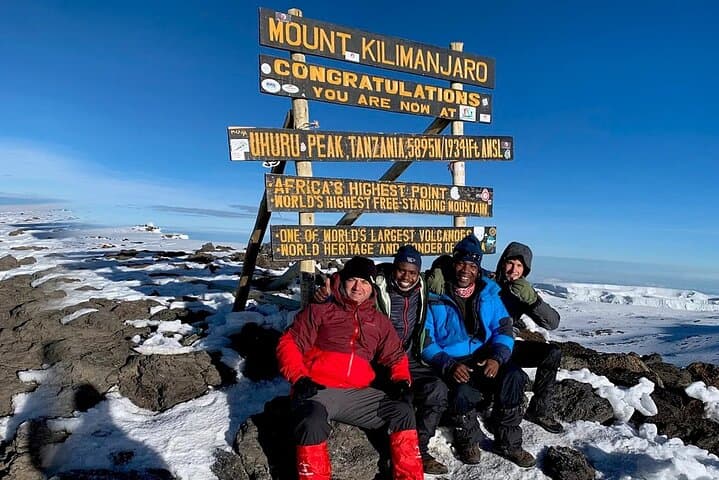
An eight-day Lemosho ascent takes you from rainforest to the Roof of Africa via the Shira Plateau and Barranco Valley. This route favors acclimatization and scenery—expect long days, tented camps and a pre-dawn summit push to Uhuru Peak.
An eight-day Lemosho ascent takes you from rainforest to the Roof of Africa via the Shira Plateau and Barranco Valley. This route favors acclimatization and scenery—expect long days, tented camps and a pre-dawn summit push to Uhuru Peak.
A humid morning in the Afromontane forest: moss hangs from twisted branches and a distant troop of monkeys slips through the canopy as the trail climbs away from Londorossi Gate. On the Lemosho Route the mountain reveals itself in stages — rainforest gives way to heather, then to the vast Shira Plateau and the lunar expanses above Barranco. Each day alters the air; at night the stars sharpen and the wind on the alpine desert seems to push you onward.
Verified experiences and guided adventures in the surrounding area.
Operated by Kanje grand tours · Arusha, Kilimanjaro Region
A humid morning in the Afromontane forest: moss hangs from twisted branches and a distant troop of monkeys slips through the canopy as the trail climbs away from Londorossi Gate. On the Lemosho Route the mountain reveals itself in stages — rainforest gives way to heather, then to the vast Shira Plateau and the lunar expanses above Barranco. Each day alters the air; at night the stars sharpen and the wind on the alpine desert seems to push you onward.
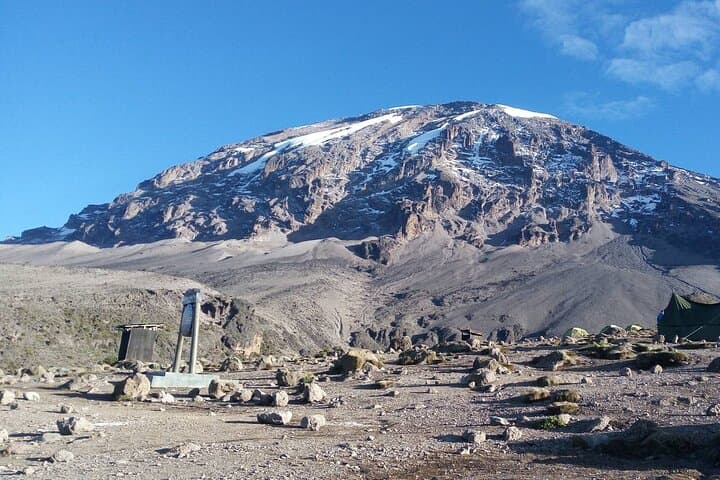
Kilimanjaro is a massif of three volcanic cones — Kibo, Mawenzi and Shira — and the Lemosho approach crosses the collapsed Shira caldera before joining Machame. The mountain sits on ancestral Chagga lands; the first recorded ascent to Uhuru Peak was in 1889. Geologically, the route traverses soil-rich montane forest, volcanic moorland and loose scree on the high volcanic dome. Local porters and guides are integral to the experience and play a central cultural role in summit logistics.
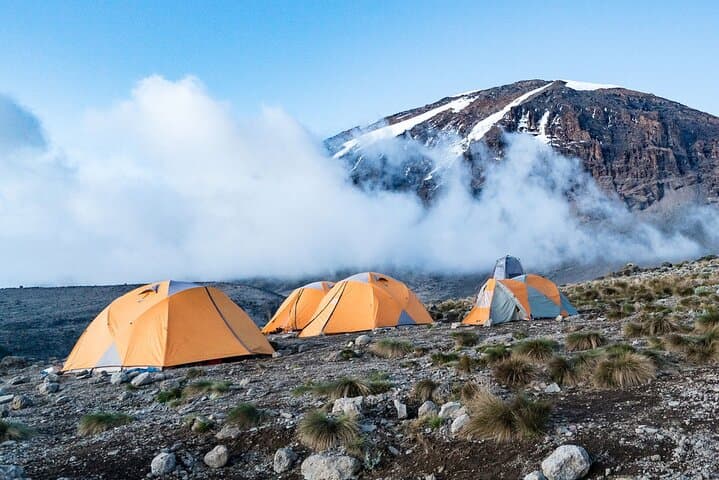
Practical guidance: this is high-altitude trekking, not technical climbing — prepare for long days (3–8 hours walking), exposed ridgelines, and a summit push in the small hours. Hydration and steady pacing matter more than speed for acclimatization. Layer for rapid temperature swings, carry a reliable headlamp for pre-dawn starts, and respect guide instructions on altitude symptoms. Most nights are in shared tents; meals are provided and potable water is usually available at camps. Expect basic but warm camping and spectacular sunrise light on Mawenzi when you reach Stella Point and Uhuru Peak.
challenging.
8 days.
Moderate to strong aerobic fitness with experience on multi-day hikes; ability to walk 4–8 hours daily at altitude.
No technical climbing skills are required; the route is high-altitude trekking. Good fitness and proper acclimatization are essential.
Peak windows are January–March and June–October for drier conditions, though climbs run year-round with variable weather.
Yes—meals (breakfast, lunch, dinner) are included and guides typically provide unlimited fresh drinking water at camps.
Altitude sickness is common; precautions include slow pacing, adequate hydration, the 8-day itinerary for acclimatization, and reporting symptoms early to your guide.
The mountain has long been part of Chagga culture; the first recorded ascent of Uhuru Peak was in 1889, and Kilimanjaro’s ice fields have been studied for over a century.
Glacial retreat and increased visitor pressure are ongoing concerns; follow leave-no-trace practices and support responsible operators who pay and care for porters.
Kanje grand tours operates guided outdoor trips and adventures with an emphasis on safety, stewardship, and memorable experiences.
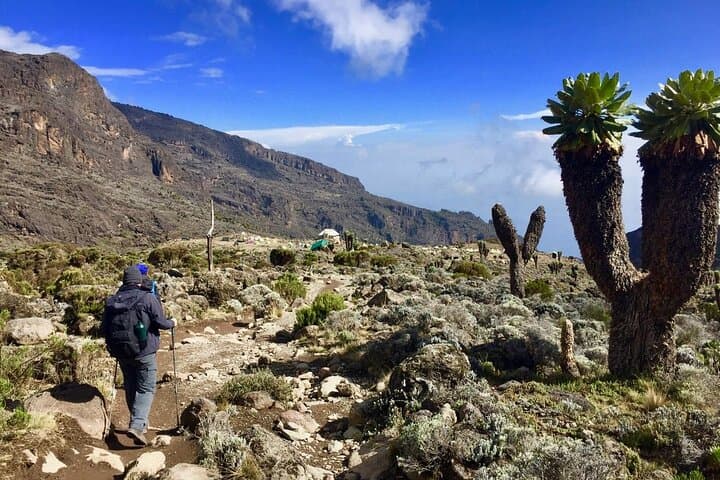
A humid morning in the Afromontane forest: moss hangs from twisted branches and a distant troop of monkeys slips through the canopy as the trail climbs away from Londorossi Gate. On the Lemosho Route the mountain reveals itself in stages — rainforest gives way to heather, then to the vast Shira Plateau and the lunar expanses above Barranco. Each day alters the air; at night the stars sharpen and the wind on the alpine desert seems to push you onward.
A humid morning in the Afromontane forest: moss hangs from twisted branches and a distant troop of monkeys slips through the canopy as the trail climbs away from Londorossi Gate. On the Lemosho Route the mountain reveals itself in stages — rainforest gives way to heather, then to the vast Shira Plateau and the lunar expanses above Barranco. Each day alters the air; at night the stars sharpen and the wind on the alpine desert seems to push you onward.
Kilimanjaro is a massif of three volcanic cones — Kibo, Mawenzi and Shira — and the Lemosho approach crosses the collapsed Shira caldera before joining Machame. The mountain sits on ancestral Chagga lands; the first recorded ascent to Uhuru Peak was in 1889. Geologically, the route traverses soil-rich montane forest, volcanic moorland and loose scree on the high volcanic dome. Local porters and guides are integral to the experience and play a central cultural role in summit logistics.
Practical guidance: this is high-altitude trekking, not technical climbing — prepare for long days (3–8 hours walking), exposed ridgelines, and a summit push in the small hours. Hydration and steady pacing matter more than speed for acclimatization. Layer for rapid temperature swings, carry a reliable headlamp for pre-dawn starts, and respect guide instructions on altitude symptoms. Most nights are in shared tents; meals are provided and potable water is usually available at camps. Expect basic but warm camping and spectacular sunrise light on Mawenzi when you reach Stella Point and Uhuru Peak.