THE ADVENTURE COLLECTIVE® · Independent discovery and booking for outdoor travel

An eight-day, private Lemosho Route ascent designed to maximize acclimatization and summit success. Move through rainforest, Shira Plateau and a pre-dawn push to Uhuru Peak with experienced guides and full-camping support.
An eight-day, private Lemosho Route ascent designed to maximize acclimatization and summit success. Move through rainforest, Shira Plateau and a pre-dawn push to Uhuru Peak with experienced guides and full-camping support.
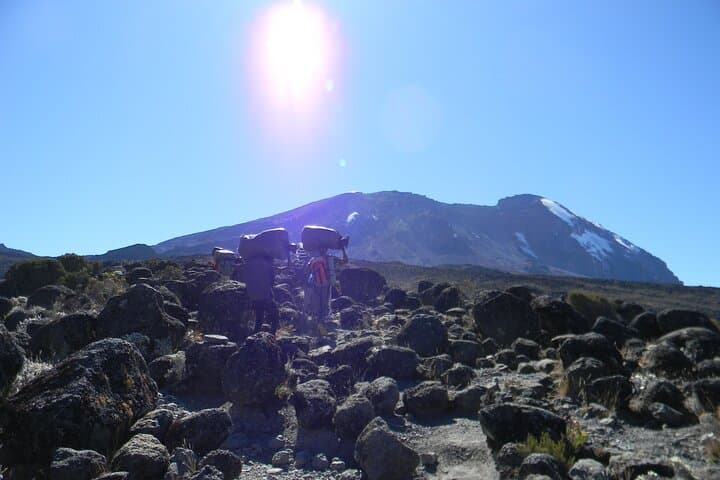
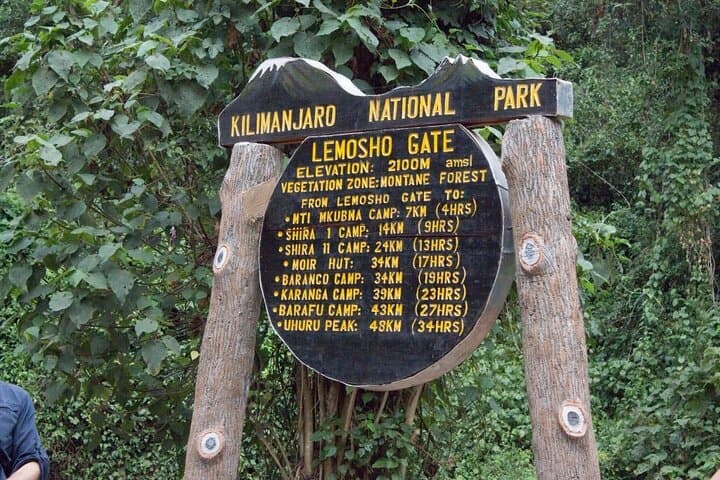
You leave Moshi before sunrise and the van threads sugarcane fields until the road narrows and the landscape hardens into the dark green throat of Kilimanjaro's rainforest. The first steps at Londorossi Gate (≈2,200 m) feel forgiving — birds call, leaves slap the trail, and porters hum as they shoulder a greater load than you. Over eight days the mountain will change personalities: a humid green below, wind-swept moorland on Shira Plateau, a blonde, dusty alpine desert on Barafu, and a summit that makes even the work of breathing feel important.
Verified experiences and guided adventures in the surrounding area.
Operated by KILIMANJARO CLIMBING TOURS · Moshi, Kilimanjaro Region
You leave Moshi before sunrise and the van threads sugarcane fields until the road narrows and the landscape hardens into the dark green throat of Kilimanjaro's rainforest. The first steps at Londorossi Gate (≈2,200 m) feel forgiving — birds call, leaves slap the trail, and porters hum as they shoulder a greater load than you. Over eight days the mountain will change personalities: a humid green below, wind-swept moorland on Shira Plateau, a blonde, dusty alpine desert on Barafu, and a summit that makes even the work of breathing feel important.
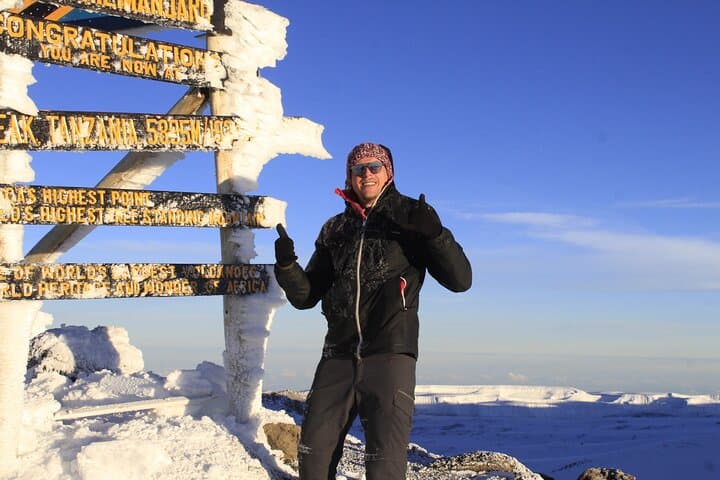
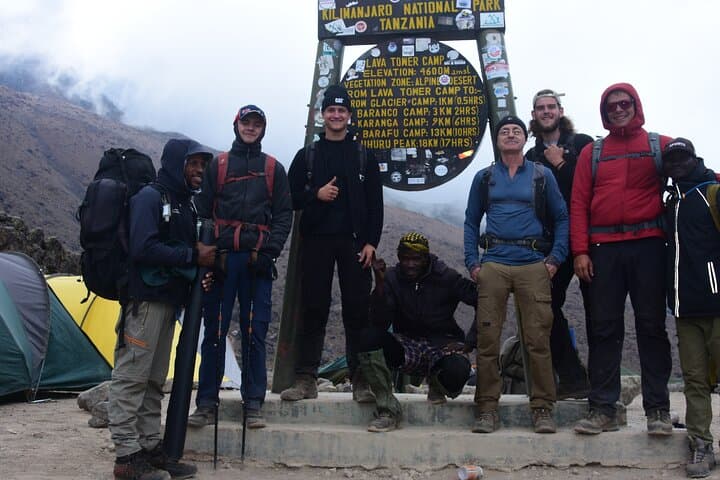
The Lemosho Route is one of Kilimanjaro's longer, quieter approaches and is prized for gradual acclimatization. Geologically, Kilimanjaro is a dormant stratovolcano topped by three volcanic cones; Kibo is the high point and the locus of Uhuru Peak (5,895 m). The trail climbs 3,695 meters from gate to summit, passing rainforest, heath, moorland and the Shira Plateau’s lava-sculpted remnants. Key landmarks include Shira Plateau, Lava Tower (4,630 m) — used for acclimatization — Barranco Wall, and Barafu Camp, the staging point for the night summit push.
Culturally, the mountain sits within Chagga country; you'll see terraced farms and may meet guides whose families have guided for generations. Guides and porters do most of the logistics: tents, cooking, and route-finding. The itinerary builds in acclimatization with deliberate ups and downs — a proven strategy to improve summit odds.
Practical guidance: the climbs are technically straightforward but altitude is the real challenge. Expect daily treks of 4–8 hours with one pre-dawn summit ascent of 8–10 hours round trip. Terrain varies from soft soil to rocky scree; on summit night you'll trade steady walking for slow, deliberate steps on loose volcanic grit.
Gear and physical prep matter. Bring a sturdy, broken-in pair of waterproof hiking boots, layered clothing for −10°C nights, and a sleeping bag rated to at least −10°C. Hydrate and eat regularly; carry at least 3 litres daily and use electrolytes. Walk-high, sleep-low acclimatization is built into the plan, but monitor symptoms of acute mountain sickness and communicate immediately with guides.
Timing: best weather windows are January–March and June–October for drier conditions, though Kilimanjaro can surprise you. Book a company that provides strong guide-to-client ratios and certified rescue protocols. If you want the summit sunrise framed by glaciers and silent sky, be prepared to move slowly and keep faith with pace — the mountain rewards patience.
challenging.
8 days.
Moderately fit: regular cardio and multi-hour hikes with a pack beforehand; ability to walk 6–8 hours in a day helps.
Success depends on fitness and acclimatization; a well-paced 8‑day Lemosho tour typically yields higher summit rates than shorter itineraries, though individual outcomes vary due to altitude.
No technical experience required, but prior multi-day hiking and good cardiovascular fitness improve comfort and odds of success.
Routine vaccinations are advised; consult a travel clinic for yellow fever rules and malaria risk in lowland approaches; bring altitude-aware medications only after medical consultation.
This itinerary includes meals listed in the itinerary and porter support for group equipment; personal porter options vary by operator.
January–March and June–October are the clearest windows; short rains (Nov–Dec, Apr–May) increase wet conditions on rainforest and Shira sections.
Inform your guide immediately; descent is the definitive treatment. Guides are trained to monitor symptoms and administer oxygen or evacuate if required.
Kilimanjaro's cones record volcanic events spanning hundreds of thousands of years; local Chagga communities have long farmed its lower slopes and guided visitors for generations.
Kilimanjaro National Park manages foot traffic through permit systems; travel with responsible operators who follow waste-back and trail-respect practices.
KILIMANJARO CLIMBING TOURS operates guided outdoor trips and adventures with an emphasis on safety, stewardship, and memorable experiences.
You leave Moshi before sunrise and the van threads sugarcane fields until the road narrows and the landscape hardens into the dark green throat of Kilimanjaro's rainforest. The first steps at Londorossi Gate (≈2,200 m) feel forgiving — birds call, leaves slap the trail, and porters hum as they shoulder a greater load than you. Over eight days the mountain will change personalities: a humid green below, wind-swept moorland on Shira Plateau, a blonde, dusty alpine desert on Barafu, and a summit that makes even the work of breathing feel important.
You leave Moshi before sunrise and the van threads sugarcane fields until the road narrows and the landscape hardens into the dark green throat of Kilimanjaro's rainforest. The first steps at Londorossi Gate (≈2,200 m) feel forgiving — birds call, leaves slap the trail, and porters hum as they shoulder a greater load than you. Over eight days the mountain will change personalities: a humid green below, wind-swept moorland on Shira Plateau, a blonde, dusty alpine desert on Barafu, and a summit that makes even the work of breathing feel important.
The Lemosho Route is one of Kilimanjaro's longer, quieter approaches and is prized for gradual acclimatization. Geologically, Kilimanjaro is a dormant stratovolcano topped by three volcanic cones; Kibo is the high point and the locus of Uhuru Peak (5,895 m). The trail climbs 3,695 meters from gate to summit, passing rainforest, heath, moorland and the Shira Plateau’s lava-sculpted remnants. Key landmarks include Shira Plateau, Lava Tower (4,630 m) — used for acclimatization — Barranco Wall, and Barafu Camp, the staging point for the night summit push.
Culturally, the mountain sits within Chagga country; you'll see terraced farms and may meet guides whose families have guided for generations. Guides and porters do most of the logistics: tents, cooking, and route-finding. The itinerary builds in acclimatization with deliberate ups and downs — a proven strategy to improve summit odds.
Practical guidance: the climbs are technically straightforward but altitude is the real challenge. Expect daily treks of 4–8 hours with one pre-dawn summit ascent of 8–10 hours round trip. Terrain varies from soft soil to rocky scree; on summit night you'll trade steady walking for slow, deliberate steps on loose volcanic grit.
Gear and physical prep matter. Bring a sturdy, broken-in pair of waterproof hiking boots, layered clothing for −10°C nights, and a sleeping bag rated to at least −10°C. Hydrate and eat regularly; carry at least 3 litres daily and use electrolytes. Walk-high, sleep-low acclimatization is built into the plan, but monitor symptoms of acute mountain sickness and communicate immediately with guides.
Timing: best weather windows are January–March and June–October for drier conditions, though Kilimanjaro can surprise you. Book a company that provides strong guide-to-client ratios and certified rescue protocols. If you want the summit sunrise framed by glaciers and silent sky, be prepared to move slowly and keep faith with pace — the mountain rewards patience.