THE ADVENTURE COLLECTIVE® · Independent discovery and booking for outdoor travel

An eight-day Lemosho Route climb that emphasizes slow acclimatization and scenic variety — rainforest, moorland, alpine desert and glacier. Ideal for climbers seeking a high summit success rate with experienced guides and a shared-group atmosphere.
An eight-day Lemosho Route climb that emphasizes slow acclimatization and scenic variety — rainforest, moorland, alpine desert and glacier. Ideal for climbers seeking a high summit success rate with experienced guides and a shared-group atmosphere.
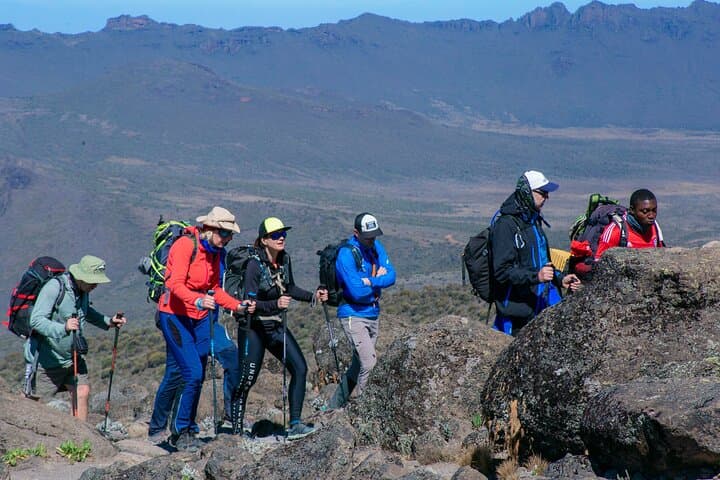
You leave Moshi before dawn and the road narrows into coffee farms and mist; the rainforest swallows the vehicle and the trail opens into a corridor of fern, moss and colobus calls. Day by day the air thins, the vegetation peels away into heath and alpine desert, and Kibo’s icy flank grows larger — a slow, deliberate ascent that rewards patience more than speed.
Verified experiences and guided adventures in the surrounding area.
Operated by #1 Best Kilimanjaro Airport Transfer - Pick up / Drop Up | BURIGI CHATO SAFARIS CO L.T.D · Moshi, Kilimanjaro Region
You leave Moshi before dawn and the road narrows into coffee farms and mist; the rainforest swallows the vehicle and the trail opens into a corridor of fern, moss and colobus calls. Day by day the air thins, the vegetation peels away into heath and alpine desert, and Kibo’s icy flank grows larger — a slow, deliberate ascent that rewards patience more than speed.
Kilimanjaro is a stratovolcano built from successive eruptions; its three cones (Kibo, Mawenzi, Shira) reveal a geological history of uplift and glaciation. The Lemosho Route approaches from the west and is prized for its gradual profile and high summit success thanks to extended acclimatization. The local Chagga people have lived on Kilimanjaro’s foothills for generations, tending coffee terraces and sharing routes that now guide international trekkers.
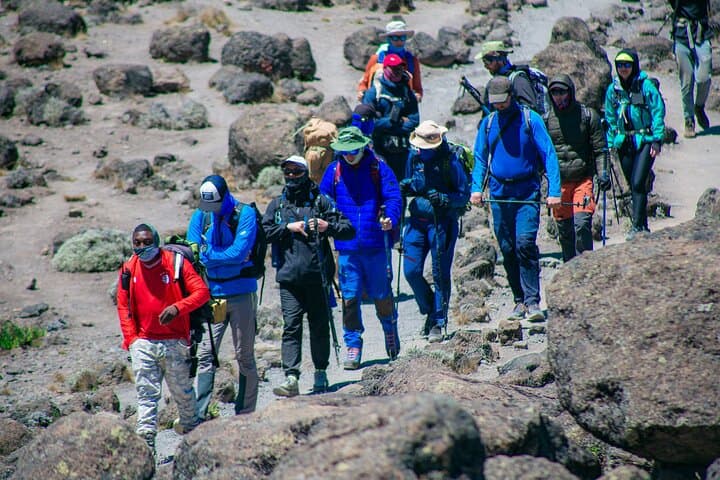
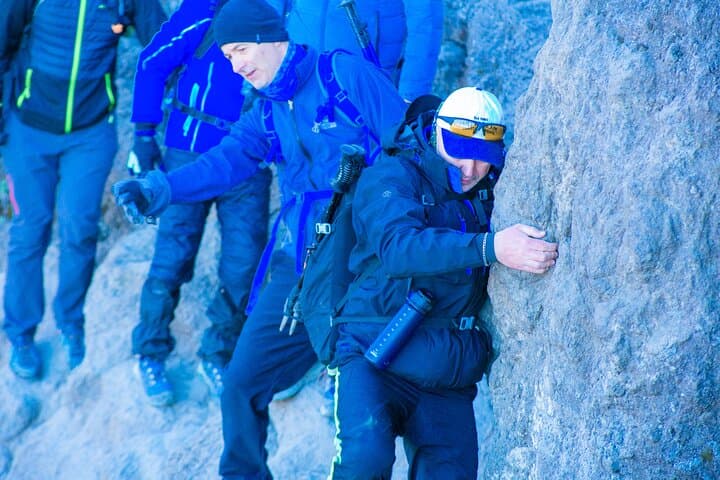
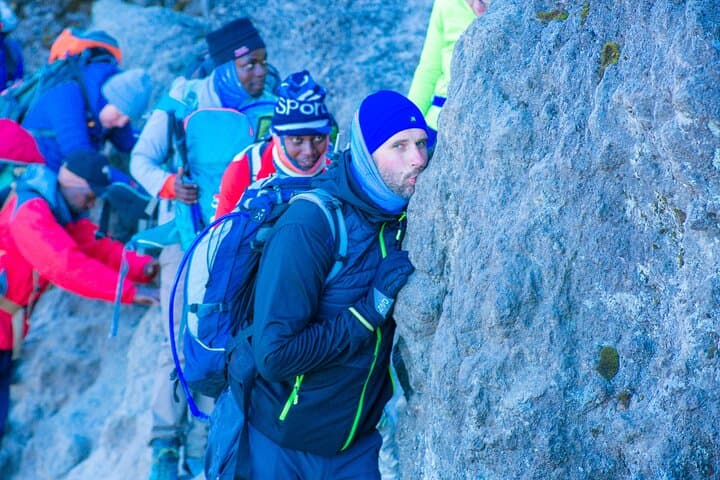
On this eight-day group joining itinerary expect 4–8 hour hiking days with one crucial midnight summit push to Uhuru Peak (5,895 m). Terrain shifts from muddy rainforest tracks to rocky moorland and compact scree near Barafu. Guides use a “climb high, sleep low” pattern — Lava Tower and Barranco day are part of that plan.
Practical guidance: train with long uphill hikes and back-to-back days; practice walking on loose scree; prioritize slow pacing and hydration at altitude. Layering is essential — temperatures swing from warm lower slopes to well below freezing at night. Bring a lightweight daypack for summit essentials and trust your guides’ pace on the final push. With realistic fitness, measured acclimatization, and the right kit, the Lemosho Route offers the best mix of scenery and summit odds for climbers aiming for the Roof of Africa.
challenging.
8 days (daily hiking 4–8 hours; summit day ~14 hours).
Good cardiovascular fitness and multi-day endurance; ability to hike 6–8 hours on consecutive days and tolerate long summit push at night.
Summit day is the longest and most demanding: expect ~12–16 hours door-to-door from Barafu to Uhuru Peak and down to Mweka Camp; pacing and acclimatization matter more than speed.
No technical gear is required on the Lemosho Route; crampons are not normally needed for the standard route, but guides may carry them if conditions demand it.
Lemosho has one of the higher success rates due to gradual ascent profiles; individual success depends on fitness, acclimatization and weather.
The two main climbing windows are January–March and June–October when precipitation is lower and trails are generally more stable; shoulder months can work but expect more variable weather.
Kilimanjaro has long been significant to local Chagga communities and was first summited in 1889; the mountain’s glaciers and ash layers record climatic shifts over millennia.
Kilimanjaro National Park manages permits and access to reduce impact; stick to trails, pack out waste and support local guides and porters to contribute to sustainable tourism.
#1 Best Kilimanjaro Airport Transfer - Pick up / Drop Up | BURIGI CHATO SAFARIS CO L.T.D operates guided outdoor trips and adventures with an emphasis on safety, stewardship, and memorable experiences.
You leave Moshi before dawn and the road narrows into coffee farms and mist; the rainforest swallows the vehicle and the trail opens into a corridor of fern, moss and colobus calls. Day by day the air thins, the vegetation peels away into heath and alpine desert, and Kibo’s icy flank grows larger — a slow, deliberate ascent that rewards patience more than speed.
You leave Moshi before dawn and the road narrows into coffee farms and mist; the rainforest swallows the vehicle and the trail opens into a corridor of fern, moss and colobus calls. Day by day the air thins, the vegetation peels away into heath and alpine desert, and Kibo’s icy flank grows larger — a slow, deliberate ascent that rewards patience more than speed.
Kilimanjaro is a stratovolcano built from successive eruptions; its three cones (Kibo, Mawenzi, Shira) reveal a geological history of uplift and glaciation. The Lemosho Route approaches from the west and is prized for its gradual profile and high summit success thanks to extended acclimatization. The local Chagga people have lived on Kilimanjaro’s foothills for generations, tending coffee terraces and sharing routes that now guide international trekkers.
On this eight-day group joining itinerary expect 4–8 hour hiking days with one crucial midnight summit push to Uhuru Peak (5,895 m). Terrain shifts from muddy rainforest tracks to rocky moorland and compact scree near Barafu. Guides use a “climb high, sleep low” pattern — Lava Tower and Barranco day are part of that plan.
Practical guidance: train with long uphill hikes and back-to-back days; practice walking on loose scree; prioritize slow pacing and hydration at altitude. Layering is essential — temperatures swing from warm lower slopes to well below freezing at night. Bring a lightweight daypack for summit essentials and trust your guides’ pace on the final push. With realistic fitness, measured acclimatization, and the right kit, the Lemosho Route offers the best mix of scenery and summit odds for climbers aiming for the Roof of Africa.