THE ADVENTURE COLLECTIVE® · Independent discovery and booking for outdoor travel

An eight-day circuit from Beirut that pairs Roman temples, subterranean caves and cedar forests with coastal towns and winery stops. Perfect for travelers who want a curated, low-hassle survey of Lebanon’s major cultural and natural highlights.
An eight-day circuit from Beirut that pairs Roman temples, subterranean caves and cedar forests with coastal towns and winery stops. Perfect for travelers who want a curated, low-hassle survey of Lebanon’s major cultural and natural highlights.
You step off the plane into the warm, citrus-scented air of Beirut and the city’s pulse carries you out toward mountains, coast and antiquity.
Verified experiences and guided adventures in the surrounding area.
Operated by Lebanon Tours Online · Beirut, Beirut Governorate
You step off the plane into the warm, citrus-scented air of Beirut and the city’s pulse carries you out toward mountains, coast and antiquity.
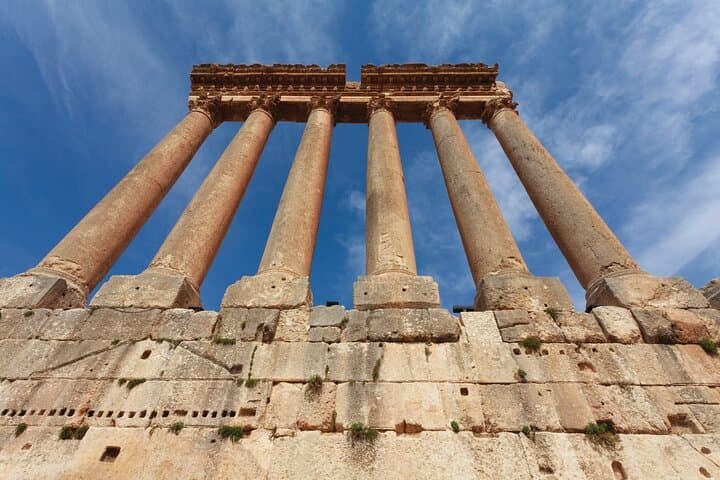
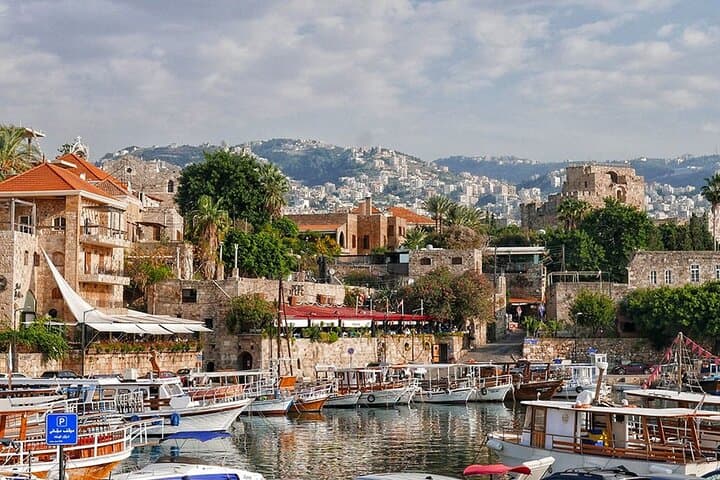
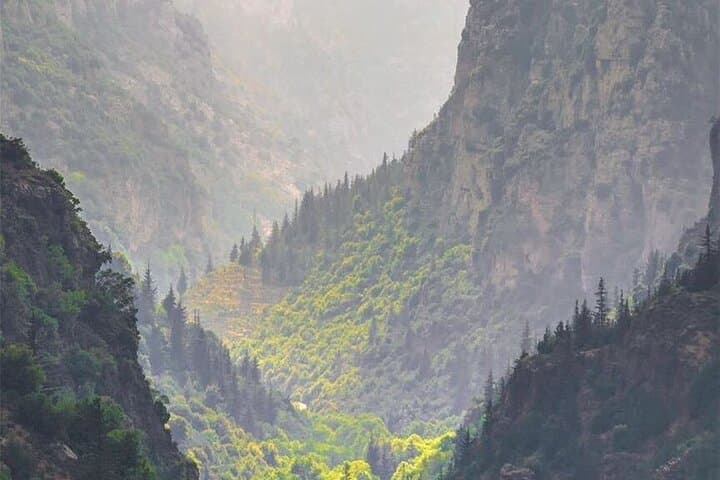
This eight-day loop from Beirut threads Roman colonnades at Baalbek with the karst hush of Jeita Grotto, the cedar-studded heights of Bcharre and the Phoenician port lanes of Byblos and Tyre. Geology here is outspoken: limestone karsts carve underground rivers at Jeita, Bekaa’s alluvial plain cradles vineyards, and the Mount Lebanon range folds into terraced valleys where monasteries cling to cliffs.
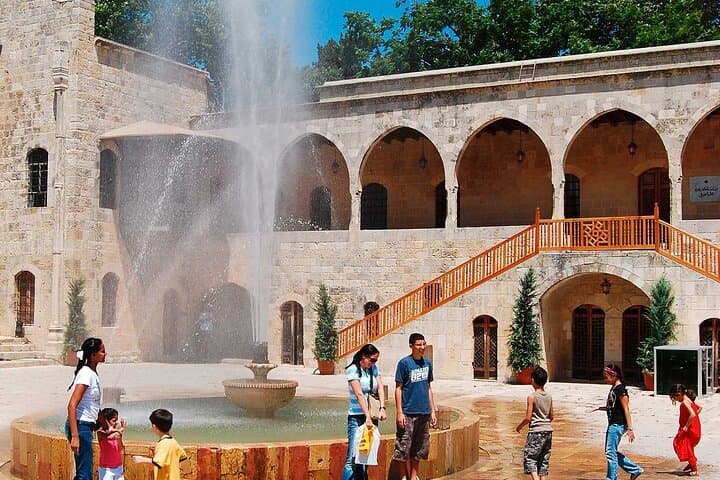
History arrives in layers — Phoenician harbors, Roman temples, Umayyad planning in Anjar and Crusader castles along the coast — each site still readable in stone and street. Local culture balances devout ritual and convivial hospitality; you’ll move from shrine steps to winery cellars over the course of a day.
Practical guidance: the itinerary is full days of walking and short transfers, so pack a daypack, firm walking shoes and a light rain shell. Dress respectfully for religious sites; carry cash for small vendors; and keep a refillable water bottle — tap water varies by stop. Mornings are best for ruins (fewer crowds, cooler light) while late afternoons suit coastal promenades and vineyard tastings. Transfers are by air-conditioned vehicle; expect a mix of paved roads and shorter uneven approaches around archaeological sites.
This package is ideal for travelers who want a curated, low-hassle survey of Lebanon’s major cultural and natural highlights with time to absorb each stop without deep trekking or technical skills.
moderate.
8 days.
Light-to-moderate fitness: able to walk 2–4 hours a day on uneven surfaces and tolerate several vehicle transfers.
No technical skills are required; expect mostly walking at sites, short uneven approaches and multiple vehicle transfers—suitable for most fitness levels.
Arabic is dominant, but English and French are widely spoken in tourism and urban areas; guides typically speak English.
Visa requirements vary by nationality; check your government’s travel advice and Lebanon’s immigration site before booking.
The package includes breakfast, five lunches, airport transfers and all entrance fees as listed—confirm specific dietary needs when booking.
Lebanon’s coastline hosted Phoenician traders millennia ago; Roman builders left monumental temples at Baalbek, and Umayyad urban planning is visible at Anjar.
Several sites are UNESCO-protected and sensitive to visitor pressure—stick to marked paths, avoid touching fragile masonry and support local guides and wineries that follow sustainable practices.
Lebanon Tours Online operates guided outdoor trips and adventures with an emphasis on safety, stewardship, and memorable experiences.
You step off the plane into the warm, citrus-scented air of Beirut and the city’s pulse carries you out toward mountains, coast and antiquity.
You step off the plane into the warm, citrus-scented air of Beirut and the city’s pulse carries you out toward mountains, coast and antiquity.
This eight-day loop from Beirut threads Roman colonnades at Baalbek with the karst hush of Jeita Grotto, the cedar-studded heights of Bcharre and the Phoenician port lanes of Byblos and Tyre. Geology here is outspoken: limestone karsts carve underground rivers at Jeita, Bekaa’s alluvial plain cradles vineyards, and the Mount Lebanon range folds into terraced valleys where monasteries cling to cliffs.
History arrives in layers — Phoenician harbors, Roman temples, Umayyad planning in Anjar and Crusader castles along the coast — each site still readable in stone and street. Local culture balances devout ritual and convivial hospitality; you’ll move from shrine steps to winery cellars over the course of a day.
Practical guidance: the itinerary is full days of walking and short transfers, so pack a daypack, firm walking shoes and a light rain shell. Dress respectfully for religious sites; carry cash for small vendors; and keep a refillable water bottle — tap water varies by stop. Mornings are best for ruins (fewer crowds, cooler light) while late afternoons suit coastal promenades and vineyard tastings. Transfers are by air-conditioned vehicle; expect a mix of paved roads and shorter uneven approaches around archaeological sites.
This package is ideal for travelers who want a curated, low-hassle survey of Lebanon’s major cultural and natural highlights with time to absorb each stop without deep trekking or technical skills.