THE ADVENTURE COLLECTIVE® · Independent discovery and booking for outdoor travel

A compact, high-elevation trek from Kathmandu into Langtang National Park that visits Kyanjin Gompa and a summit day on Tserko Ri. Expect teahouse nights, rugged trails, and close contact with Tamang culture.
A compact, high-elevation trek from Kathmandu into Langtang National Park that visits Kyanjin Gompa and a summit day on Tserko Ri. Expect teahouse nights, rugged trails, and close contact with Tamang culture.
By first light the bus peels away from Kathmandu and the valley narrows into terraced fields and pine slopes. The road climbs, drops, and finally gives way to a trail that pushes into Langtang National Park—rivers daring you to cross on narrow bridges, forest murmurs that pull at your pace, and peaks that appear and recede like a slow-motion reveal.
Verified experiences and guided adventures in the surrounding area.
Operated by Magical Nepal · Syabrubesi, Bagmati Province
By first light the bus peels away from Kathmandu and the valley narrows into terraced fields and pine slopes. The road climbs, drops, and finally gives way to a trail that pushes into Langtang National Park—rivers daring you to cross on narrow bridges, forest murmurs that pull at your pace, and peaks that appear and recede like a slow-motion reveal.
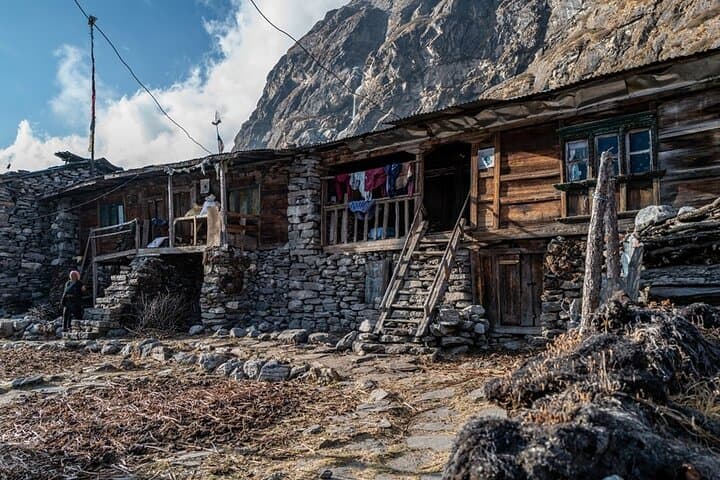
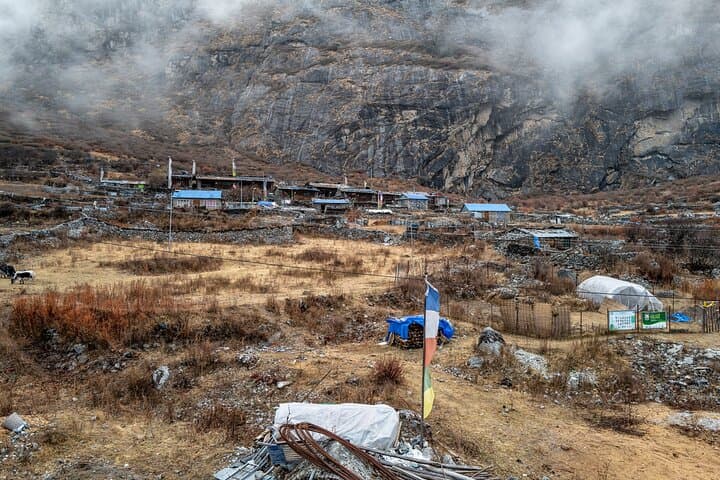
The Langtang Valley is both geological classroom and cultural village: glacial moraines carved the basin, while generations of Tamang farmers and herders shaped the terraces and tea-house culture. The valley rose to global attention after the 2015 earthquake; reconstruction has kept local communities and monasteries like Kyanjin Gompa central to recovery and visitor exchange.
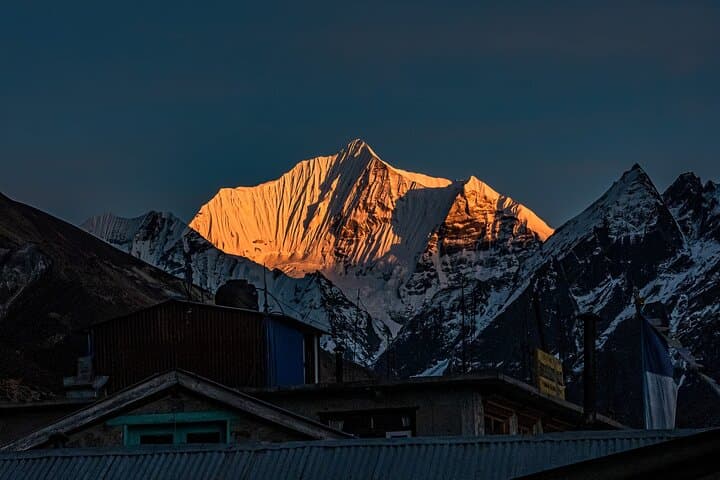
Expect 7 nights in mountain teahouses, daily approaches of 5–8 hours, and a summit-style day to Tserko Ri (about 4,985 m) for sweeping views of Langtang Lirung. Trails vary from well-trodden dirt to rocky, steep pitches; snow and wind can appear above 3,500 m even outside winter. The itinerary moves steadily upward—cumulative ascent to Kyanjin Gompa is roughly 2,000–2,500 m—so altitude awareness and conservative pacing matter.
Practicalities: pack layered clothing, a warm sleeping bag, sturdy waterproof boots, and water treatment. Hydrate early, monitor symptoms of altitude sickness, and plan for late-afternoon weather windows. The trek is immersive but practical—expect cultural exchange in villages, simple mountain meals, and trail rhythms set by your legs and the valley’s weather.
challenging.
8 days (7 nights).
Strong cardiovascular fitness and prior multi-day trekking experience recommended; able to sustain 5–8 hours walking per day with loaded daypack.
The trek reaches Kyanjin Gompa (~3,870 m) and includes a summit day to Tserko Ri (~4,985 m); gradual ascent days are built in, but altitude symptoms can still occur—pace conservatively and inform your guide of any issues.
The standard itinerary includes 7 nights in mountain teahouses with basic amenities—expect shared rooms, simple hot meals, and limited electricity.
Yes, Langtang National Park permit is required and typically arranged by tour operators; carry ID and an extra passport photo if asked.
Basic first aid is provided by guides, but evacuation options are limited and depend on weather; travel insurance that covers high-altitude rescue is recommended.
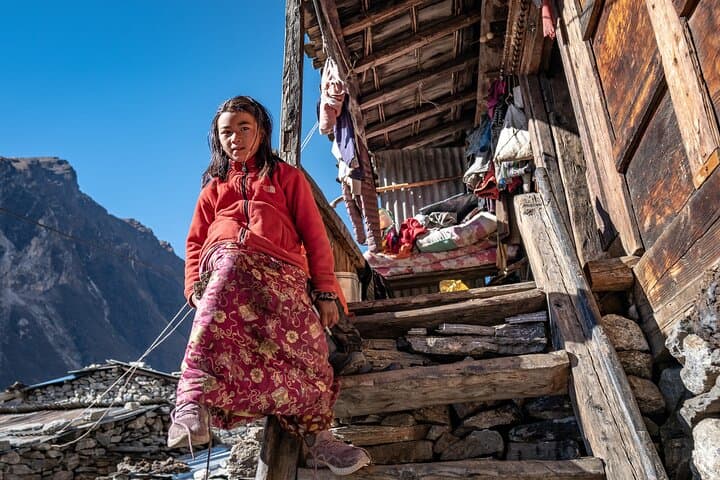
The valley is home to the Tamang people with Tibetan cultural ties; settlements and monasteries like Kyanjin Gompa have long been trade and religious centers and were central to post-2015 recovery.
Langtang is a protected national park—stay on trails, pack out waste when possible, and support local teahouses to help community-based conservation.
Magical Nepal operates guided outdoor trips and adventures with an emphasis on safety, stewardship, and memorable experiences.
By first light the bus peels away from Kathmandu and the valley narrows into terraced fields and pine slopes. The road climbs, drops, and finally gives way to a trail that pushes into Langtang National Park—rivers daring you to cross on narrow bridges, forest murmurs that pull at your pace, and peaks that appear and recede like a slow-motion reveal.
By first light the bus peels away from Kathmandu and the valley narrows into terraced fields and pine slopes. The road climbs, drops, and finally gives way to a trail that pushes into Langtang National Park—rivers daring you to cross on narrow bridges, forest murmurs that pull at your pace, and peaks that appear and recede like a slow-motion reveal.
The Langtang Valley is both geological classroom and cultural village: glacial moraines carved the basin, while generations of Tamang farmers and herders shaped the terraces and tea-house culture. The valley rose to global attention after the 2015 earthquake; reconstruction has kept local communities and monasteries like Kyanjin Gompa central to recovery and visitor exchange.
Expect 7 nights in mountain teahouses, daily approaches of 5–8 hours, and a summit-style day to Tserko Ri (about 4,985 m) for sweeping views of Langtang Lirung. Trails vary from well-trodden dirt to rocky, steep pitches; snow and wind can appear above 3,500 m even outside winter. The itinerary moves steadily upward—cumulative ascent to Kyanjin Gompa is roughly 2,000–2,500 m—so altitude awareness and conservative pacing matter.
Practicalities: pack layered clothing, a warm sleeping bag, sturdy waterproof boots, and water treatment. Hydrate early, monitor symptoms of altitude sickness, and plan for late-afternoon weather windows. The trek is immersive but practical—expect cultural exchange in villages, simple mountain meals, and trail rhythms set by your legs and the valley’s weather.