THE ADVENTURE COLLECTIVE® · Independent discovery and booking for outdoor travel

An eight-day route up Mount Kilimanjaro guides trekkers through montane forest, alpine desert, and scree to Uhuru Peak at 5,895 m. This practical guide outlines what to expect—terrain, daily pacing, and gear—so you can plan for altitude, weather, and the long summit push.
An eight-day route up Mount Kilimanjaro guides trekkers through montane forest, alpine desert, and scree to Uhuru Peak at 5,895 m. This practical guide outlines what to expect—terrain, daily pacing, and gear—so you can plan for altitude, weather, and the long summit push.
Fog lifts off the forest like a curtain and the flank of Kilimanjaro unfurls above you—banded zones of green, bronze moorland, and pale scree climbing toward the rim of ice.
Verified experiences and guided adventures in the surrounding area.
Operated by Africa Experience Tours · Moshi, Kilimanjaro Region
Fog lifts off the forest like a curtain and the flank of Kilimanjaro unfurls above you—banded zones of green, bronze moorland, and pale scree climbing toward the rim of ice.
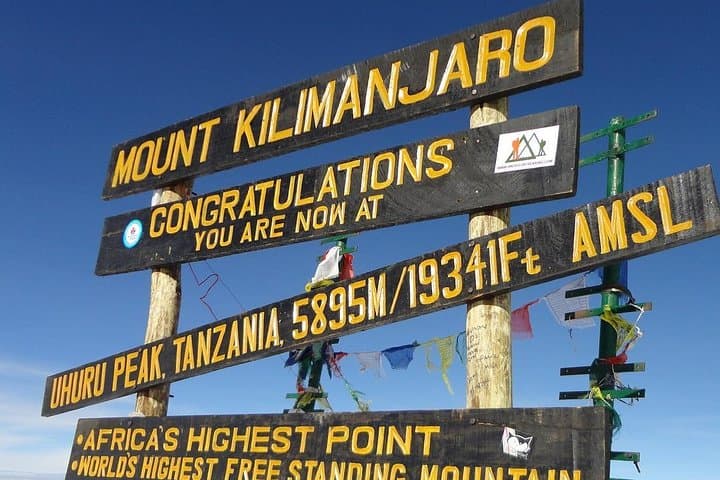
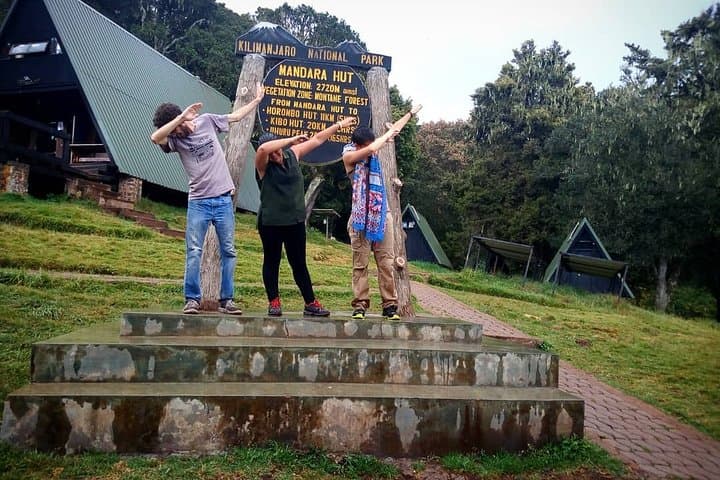
Over eight days you move through those bands: intimate, dripping montane forest where colobus monkeys call; open heath and giant lobelia on the moorland; the thin, pumiced air of the alpine desert; and finally the steep scree and rock that guard Uhuru Peak at 5,895 m (19,340 ft).
Kilimanjaro is geologically a stratovolcano built from successive lava flows; its glaciers are receding, a visible record of climate change. The mountain’s lower slopes are home to the Chagga communities who have farmed these fertile flanks for generations, and the first confirmed European summit was reached in 1889.
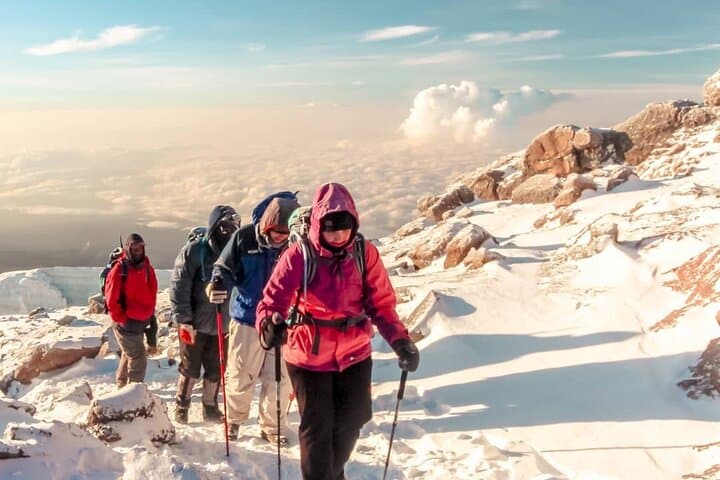
Expect full days of walking—generally 4–8 hours daily with summit day stretching to 10–14 hours—and total elevation gain of roughly 3,800–4,500 m depending on route. Terrain varies from muddy forest trails to hard-packed alpine desert and loose scree on the final ascent.
Practical essentials: pace your ascent to acclimatize, drink frequently, and carry layers for wide temperature swings. Guides organize permits, meals, hut or tent accommodations, and often include bottled water and cooked meals on multi-day itineraries. Footwear with solid ankle support, poles for descent, and an insulated sleeping bag rated to at least -10°C are standard.
This is non-technical mountaineering: no ropes or crampons are required on standard routes, but altitude is the limiting factor. With sensible pacing and a qualified guide, Kilimanjaro offers a high-alpine summit experience accessible to determined trekkers.
challenging.
8 days.
Good cardiovascular fitness and prior multi-day hiking experience recommended; ability to hike 5–10 hours in a day over varied terrain.
No; standard Kilimanjaro routes are non-technical and do not require ropes or crampons, but they do require sustained trekking fitness and altitude preparedness.
Summit success varies by route, acclimatization schedule, and individual response to altitude; longer itineraries with acclimatization days generally yield higher success rates.
Acute mountain sickness can affect anyone; guides monitor symptoms, enforce slower paces, and will descend if severe—discuss prevention and possible use of acetazolamide with your physician before travel.
Travelers should hold a valid passport and check Tanzania visa requirements for their nationality; consult a travel clinic for routine vaccinations and malaria advice well before departure.
The Chagga have lived and farmed Kilimanjaro’s slopes for centuries; the first recorded European ascent to the summit was in 1889 by Hans Meyer and Ludwig Purtscheller.
Kilimanjaro’s glaciers are shrinking and the alpine moorland is fragile; choose operators who follow park rules, carry out waste, and support local porters and conservation fees.
Africa Experience Tours operates guided outdoor trips and adventures with an emphasis on safety, stewardship, and memorable experiences.
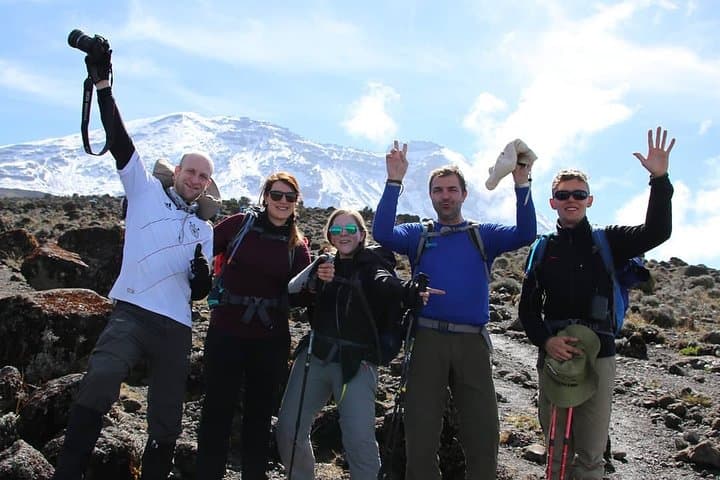
Fog lifts off the forest like a curtain and the flank of Kilimanjaro unfurls above you—banded zones of green, bronze moorland, and pale scree climbing toward the rim of ice.
Fog lifts off the forest like a curtain and the flank of Kilimanjaro unfurls above you—banded zones of green, bronze moorland, and pale scree climbing toward the rim of ice.
Over eight days you move through those bands: intimate, dripping montane forest where colobus monkeys call; open heath and giant lobelia on the moorland; the thin, pumiced air of the alpine desert; and finally the steep scree and rock that guard Uhuru Peak at 5,895 m (19,340 ft).
Kilimanjaro is geologically a stratovolcano built from successive lava flows; its glaciers are receding, a visible record of climate change. The mountain’s lower slopes are home to the Chagga communities who have farmed these fertile flanks for generations, and the first confirmed European summit was reached in 1889.
Expect full days of walking—generally 4–8 hours daily with summit day stretching to 10–14 hours—and total elevation gain of roughly 3,800–4,500 m depending on route. Terrain varies from muddy forest trails to hard-packed alpine desert and loose scree on the final ascent.
Practical essentials: pace your ascent to acclimatize, drink frequently, and carry layers for wide temperature swings. Guides organize permits, meals, hut or tent accommodations, and often include bottled water and cooked meals on multi-day itineraries. Footwear with solid ankle support, poles for descent, and an insulated sleeping bag rated to at least -10°C are standard.
This is non-technical mountaineering: no ropes or crampons are required on standard routes, but altitude is the limiting factor. With sensible pacing and a qualified guide, Kilimanjaro offers a high-alpine summit experience accessible to determined trekkers.