THE ADVENTURE COLLECTIVE® · Independent discovery and booking for outdoor travel

An 8-day clockwise traverse of Kilimanjaro’s northern slopes that maximizes acclimatization and summit odds. This guide covers what to expect on trail, key logistics, and practical gear for the climb.
An 8-day clockwise traverse of Kilimanjaro’s northern slopes that maximizes acclimatization and summit odds. This guide covers what to expect on trail, key logistics, and practical gear for the climb.
Night on the trail feels like a slow, steady drum: headlamps bob, breath fogs, and the ridge of Kibo looms like a dark wall against the stars. The Northern Circuit starts with a forested climb from Londorossi Gate, opens onto the Shira Plateau, and then circles the quieter, northern flanks of Kilimanjaro before the final push to Uhuru Peak at dawn.
Verified experiences and guided adventures in the surrounding area.
Operated by Unco Adventures · Moshi, Kilimanjaro Region
Night on the trail feels like a slow, steady drum: headlamps bob, breath fogs, and the ridge of Kibo looms like a dark wall against the stars. The Northern Circuit starts with a forested climb from Londorossi Gate, opens onto the Shira Plateau, and then circles the quieter, northern flanks of Kilimanjaro before the final push to Uhuru Peak at dawn.
Geology and history are written in the slopes here — Kibo is a dormant stratovolcano capped with remnant glaciers, its soils feeding coffee farms and terraced villages below. The Chagga people have lived around Kilimanjaro for centuries; you’ll pass through land shaped by smallholders and see stone terraces and banana groves near Moshi.
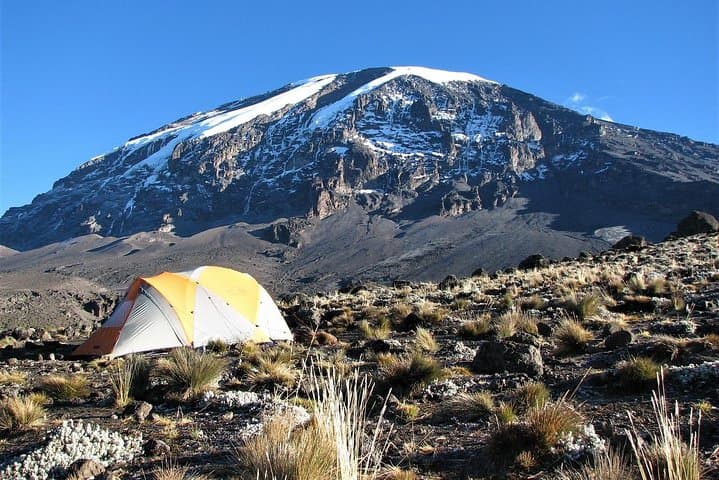
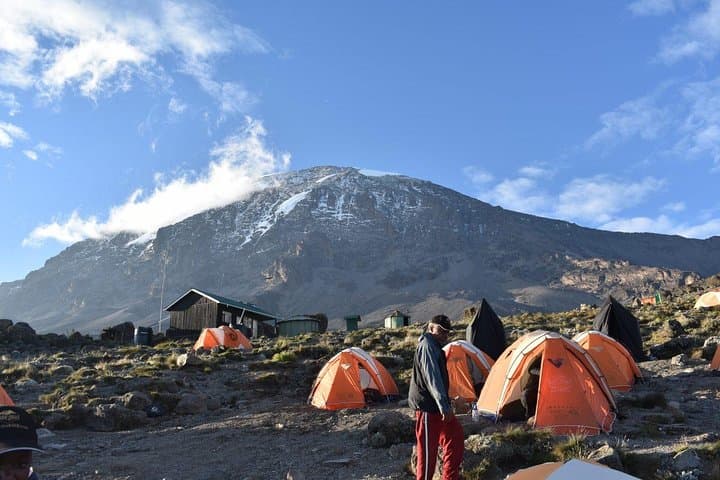
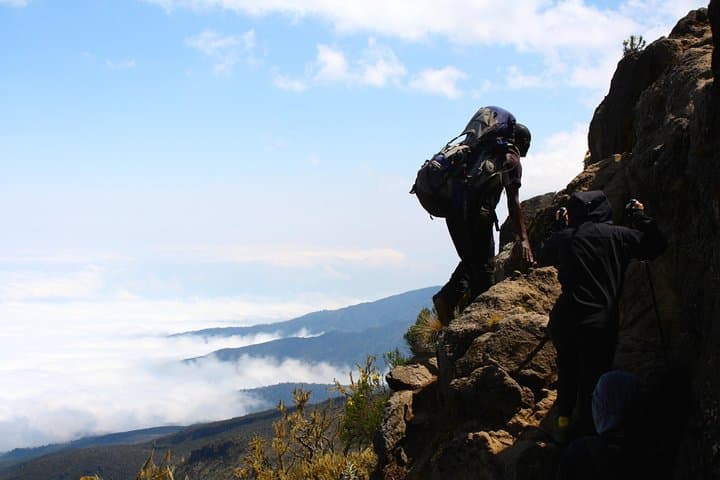
Expect varied terrain: muddy rainforest trails, tussock-strewn moorland, high alpine deserts, scree fields and a glacial rim. Wildlife is intermittent — elephants and buffalo sometimes emerge at lower elevations, while colobus monkeys and small antelope are common. The Northern Circuit’s longer profile improves acclimatization and summit success but demands steady pacing and attention to altitude.
Practical guidance: pack layering systems for sub-zero summit nights, break summit day into manageable segments, and prioritize hydration and slow ascent. Use gaiters and poles for the wet descent to Mweka. Guides handle logistics, meals and permits, but come prepared with a quality sleeping bag (to -10°C or lower), sturdy boots, and a mindset for long days. With patience and respect for mountain protocols, the circuit rewards you with near-360° panoramas and a quieter route to Africa’s highest point.
challenging.
8 days.
Good cardiovascular fitness and prior multi-day hiking experience are recommended; expect long days and sustained altitude.
It’s the longest route, offering gentler daily altitude gains and better acclimatization—physically demanding due to duration but higher summit probability.
June–October are the driest months with the most stable weather; short rains can affect trails in March–May and November.
No technical mountaineering is required for the standard Northern Circuit, though experience with high-altitude trekking and basic crampon use can be helpful in icy conditions.
Train aerobically, ascend slowly, communicate symptoms to guides early, and consider acetazolamide after consulting a physician; the operator provides oxygen and trained guides.
Kilimanjaro is a dormant stratovolcano with three cones (Kibo, Mawenzi, Shira); local Chagga communities have farmed its lower slopes for centuries.
Kilimanjaro National Park fees fund trail maintenance and conservation; stick to designated paths, use provided toilet facilities, and minimize single-use plastics.
Unco Adventures operates guided outdoor trips and adventures with an emphasis on safety, stewardship, and memorable experiences.
Night on the trail feels like a slow, steady drum: headlamps bob, breath fogs, and the ridge of Kibo looms like a dark wall against the stars. The Northern Circuit starts with a forested climb from Londorossi Gate, opens onto the Shira Plateau, and then circles the quieter, northern flanks of Kilimanjaro before the final push to Uhuru Peak at dawn.
Night on the trail feels like a slow, steady drum: headlamps bob, breath fogs, and the ridge of Kibo looms like a dark wall against the stars. The Northern Circuit starts with a forested climb from Londorossi Gate, opens onto the Shira Plateau, and then circles the quieter, northern flanks of Kilimanjaro before the final push to Uhuru Peak at dawn.
Geology and history are written in the slopes here — Kibo is a dormant stratovolcano capped with remnant glaciers, its soils feeding coffee farms and terraced villages below. The Chagga people have lived around Kilimanjaro for centuries; you’ll pass through land shaped by smallholders and see stone terraces and banana groves near Moshi.
Expect varied terrain: muddy rainforest trails, tussock-strewn moorland, high alpine deserts, scree fields and a glacial rim. Wildlife is intermittent — elephants and buffalo sometimes emerge at lower elevations, while colobus monkeys and small antelope are common. The Northern Circuit’s longer profile improves acclimatization and summit success but demands steady pacing and attention to altitude.
Practical guidance: pack layering systems for sub-zero summit nights, break summit day into manageable segments, and prioritize hydration and slow ascent. Use gaiters and poles for the wet descent to Mweka. Guides handle logistics, meals and permits, but come prepared with a quality sleeping bag (to -10°C or lower), sturdy boots, and a mindset for long days. With patience and respect for mountain protocols, the circuit rewards you with near-360° panoramas and a quieter route to Africa’s highest point.