THE ADVENTURE COLLECTIVE® · Independent discovery and booking for outdoor travel

The Machame Route offers a varied, acclimatization-friendly ascent of Kilimanjaro across forest, moorland and arctic summit terrain. This 8‑day itinerary combines camping, experienced guides and a summit push to Uhuru Peak.
The Machame Route offers a varied, acclimatization-friendly ascent of Kilimanjaro across forest, moorland and arctic summit terrain. This 8‑day itinerary combines camping, experienced guides and a summit push to Uhuru Peak.
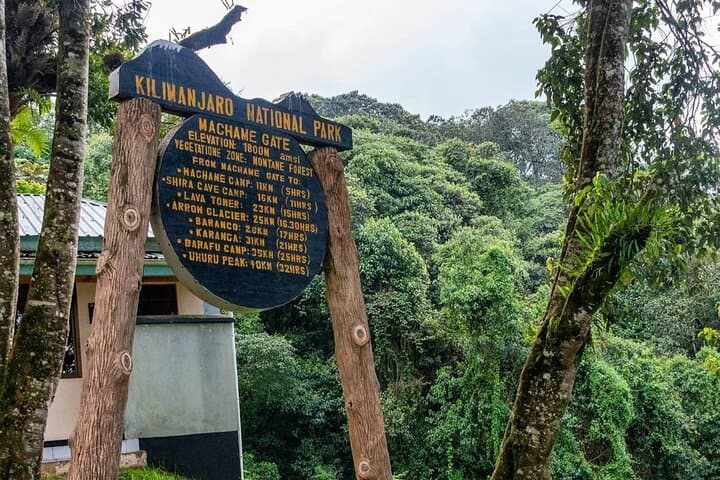
A pre-dawn chill bites at the lips as headlamps thread through the rain forest on the Machame Route. The trail climbs steadily, the forest thinning into moorland and then a wind-battered alpine desert that seems to push you forward with every gust. On summit night, the mountain keeps its own hours: slow, patient, indifferent—until the horizon ignites at Stella Point and Uhuru Peak answers the climb.
Verified experiences and guided adventures in the surrounding area.
Operated by Kilimanjaro Bucketlist Expedition · Arusha, Kilimanjaro Region
A pre-dawn chill bites at the lips as headlamps thread through the rain forest on the Machame Route. The trail climbs steadily, the forest thinning into moorland and then a wind-battered alpine desert that seems to push you forward with every gust. On summit night, the mountain keeps its own hours: slow, patient, indifferent—until the horizon ignites at Stella Point and Uhuru Peak answers the climb.
Kilimanjaro’s slopes record a short, sharp geological story: a freestanding stratovolcano built by successive eruptions of basalt and trachyte. The Machame Route—called the Whiskey Route for its steep, scenic first days—moves through distinct ecological bands from montane rainforest to heath, moorland, semi-desert and arctic summit. Along the way, porters and guides bring cultural context: Chagga villages on lower slopes, the legacy of colonial-era climbing routes, and a contemporary climb culture focused on safety and porter welfare.
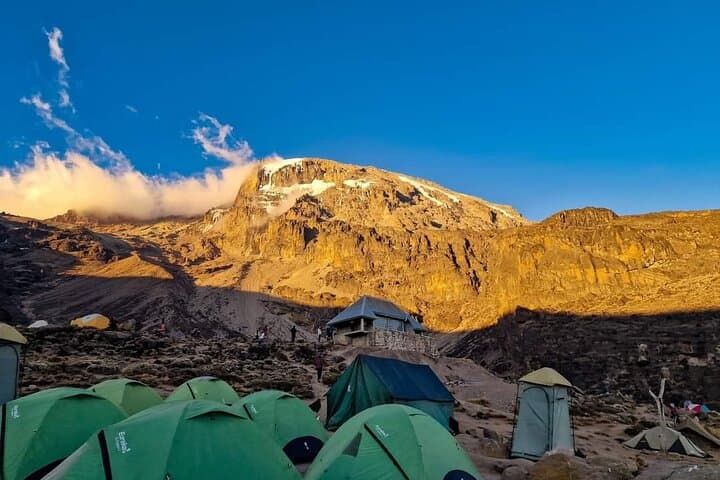
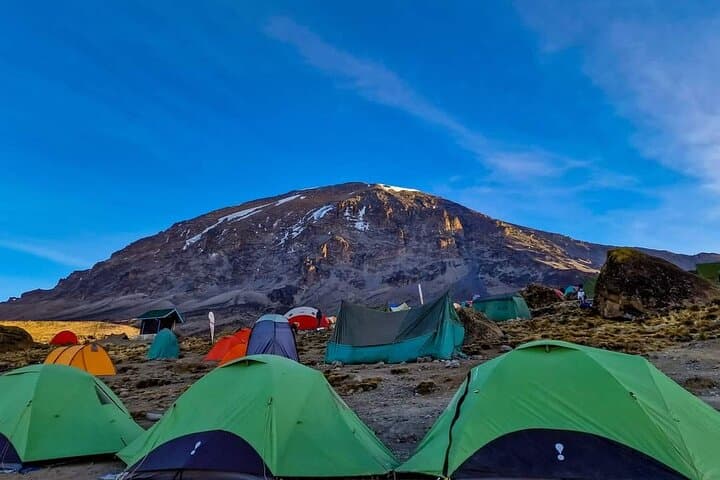
Practically, expect six nights of mobile camping, one summit push that begins around midnight, and typical daily hikes of 3–7 miles with steady elevation gain. Acclimatization comes through deliberate ups-and-downs—Lava Tower and Barranco provide intentional exposure to higher altitude before the summit bid. Pack layered clothing for drastic temperature swings, waterproof outerwear for lower-elevation rains, and trekking poles for steep descents. Hydration, slow pacing and listening to your guide are the best defenses against altitude-related issues.
The route rewards persistence with expansive views of Mawenzi and Kibo, a sunrise over glaciated ridgelines, and the small, exacting triumph of standing atop Africa’s highest point.
challenging.
8 days (approx. 7–9 hours summit day; daily 4–7 hours typical).
Requires good aerobic fitness, ability to hike 5–7 hours a day with a light daypack and prior multi-day trekking experience
No technical mountaineering skills are required; the Machame Route is a non-technical trek, but high-altitude experience and fitness are important.
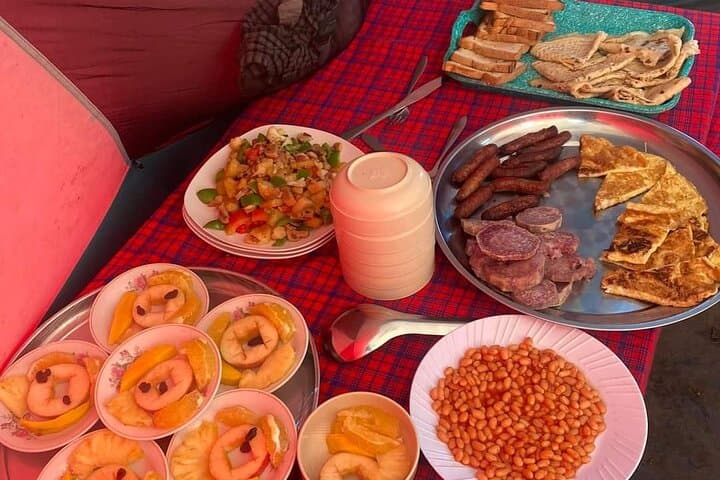
This itinerary typically includes park fees, licensed guides, porters, group camping equipment, meals on trek, airport transfers and a summit certificate.
The route schedules gradual altitude gain with specific acclimatization nights (e.g., Lava Tower exposure and shorter hiking days) to reduce acute mountain sickness risk.
Basic rental gear (sleeping bags, trekking poles, down jackets) is often available in Moshi or Arusha; fit and condition vary, so bringing critical personal items is recommended.
Kilimanjaro’s human history includes Chagga agricultural settlements on its lower slopes and early 20th-century European expeditions that established many of the popular routes.
Kilimanjaro National Park manages visitor impact through permits and limits; support responsible operators who follow porter welfare guidelines and pack-out policies.
Kilimanjaro Bucketlist Expedition operates guided outdoor trips and adventures with an emphasis on safety, stewardship, and memorable experiences.
A pre-dawn chill bites at the lips as headlamps thread through the rain forest on the Machame Route. The trail climbs steadily, the forest thinning into moorland and then a wind-battered alpine desert that seems to push you forward with every gust. On summit night, the mountain keeps its own hours: slow, patient, indifferent—until the horizon ignites at Stella Point and Uhuru Peak answers the climb.
A pre-dawn chill bites at the lips as headlamps thread through the rain forest on the Machame Route. The trail climbs steadily, the forest thinning into moorland and then a wind-battered alpine desert that seems to push you forward with every gust. On summit night, the mountain keeps its own hours: slow, patient, indifferent—until the horizon ignites at Stella Point and Uhuru Peak answers the climb.
Kilimanjaro’s slopes record a short, sharp geological story: a freestanding stratovolcano built by successive eruptions of basalt and trachyte. The Machame Route—called the Whiskey Route for its steep, scenic first days—moves through distinct ecological bands from montane rainforest to heath, moorland, semi-desert and arctic summit. Along the way, porters and guides bring cultural context: Chagga villages on lower slopes, the legacy of colonial-era climbing routes, and a contemporary climb culture focused on safety and porter welfare.
Practically, expect six nights of mobile camping, one summit push that begins around midnight, and typical daily hikes of 3–7 miles with steady elevation gain. Acclimatization comes through deliberate ups-and-downs—Lava Tower and Barranco provide intentional exposure to higher altitude before the summit bid. Pack layered clothing for drastic temperature swings, waterproof outerwear for lower-elevation rains, and trekking poles for steep descents. Hydration, slow pacing and listening to your guide are the best defenses against altitude-related issues.
The route rewards persistence with expansive views of Mawenzi and Kibo, a sunrise over glaciated ridgelines, and the small, exacting triumph of standing atop Africa’s highest point.