THE ADVENTURE COLLECTIVE® · Independent discovery and booking for outdoor travel

A rare west-Tanzania circuit that pairs the thunder of Katavi’s plains with chimpanzee tracking on Mahale’s forested shorelines. Expect bush flights, boat transfers, and intimate wildlife encounters far from the main parks.
A rare west-Tanzania circuit that pairs the thunder of Katavi’s plains with chimpanzee tracking on Mahale’s forested shorelines. Expect bush flights, boat transfers, and intimate wildlife encounters far from the main parks.
The first light over Katavi spills across a plain thick with dust and the slow silhouettes of buffalo, and the silence is broken only by distant grunts and the occasional rumble of hippos in the river. This eight-day itinerary threads two of Tanzania’s most remote wilderness areas — Katavi National Park’s expansive floodplains and the rainforest-fringed shores of Mahale Mountains on Lake Tanganyika — linked by charter flights and boat transfers that feel more like expedition logistics than tourism.
Verified experiences and guided adventures in the surrounding area.
Operated by Serengeti Camping Safari · Arusha, Arusha Region
The first light over Katavi spills across a plain thick with dust and the slow silhouettes of buffalo, and the silence is broken only by distant grunts and the occasional rumble of hippos in the river. This eight-day itinerary threads two of Tanzania’s most remote wilderness areas — Katavi National Park’s expansive floodplains and the rainforest-fringed shores of Mahale Mountains on Lake Tanganyika — linked by charter flights and boat transfers that feel more like expedition logistics than tourism.
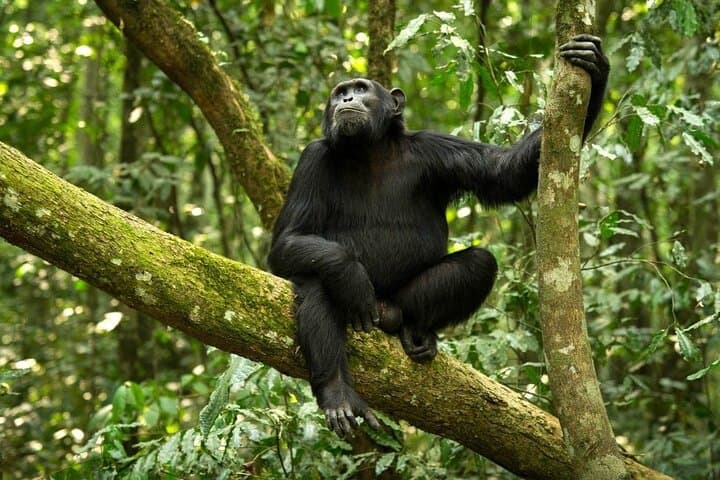
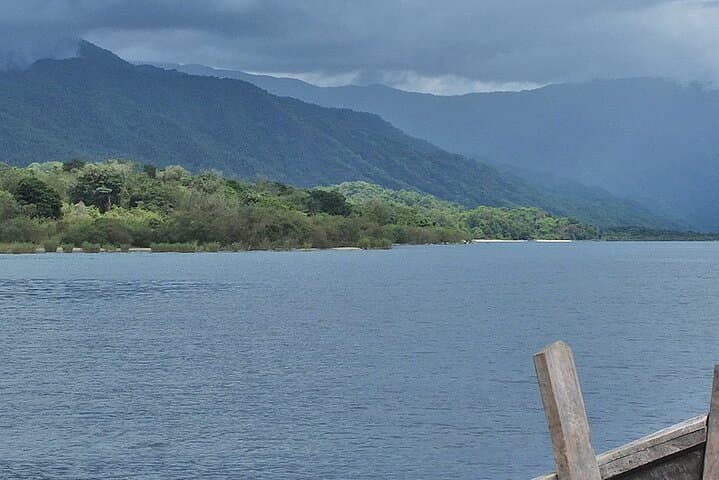
Katavi’s geology is broad, flat plains cut by seasonal channels that concentrate wildlife in the dry months, producing spectacular predator-prey encounters and enormous hippo pools. Mahale rises abruptly from Lake Tanganyika; steep, forested slopes host one of Africa’s last reliable populations of wild chimpanzees. The human history here is light: sparse settlement, occasional fishing villages on Tanganyika, and a long tradition of bushcraft among local communities.
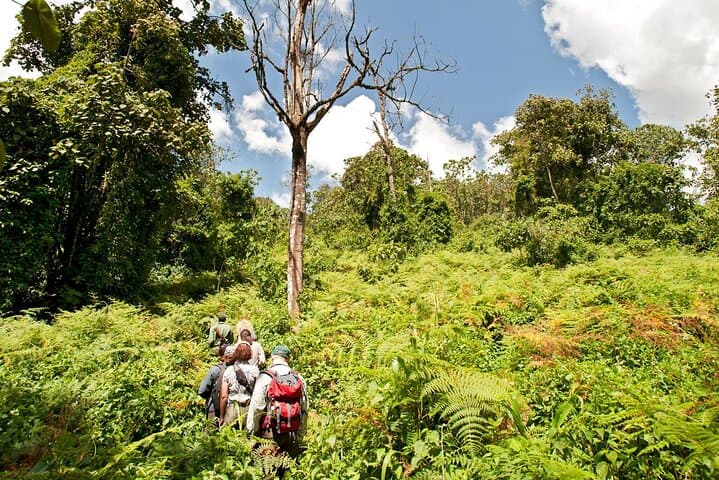
Expect game drives from open 4x4s, guided chimpanzee treks on uneven jungle trails, and boat crossings to thatched tented camps on white sand. Wildlife viewing is intimate and often solitary — encounters can last minutes to hours, so patience and quiet reward you. Practical planning matters: charter flights can be affected by weather, boat transfers require steady seas, and malaria precautions are standard.
Pack binoculars, breathable layers for humid forest and cool bush mornings, solid walking shoes, and reef-safe sunscreen. Hydrate before treks, follow guide briefings on chimp tracking etiquette, and allow extra travel time for remote logistics. For travelers after an off-the-grid safari that balances big-game spectacle with primate-focused forest walks, this route delivers a rare, thoughtfully wild West Tanzania experience.
moderate.
8 days.
Suitable for travelers in good general health able to walk 2–4 hours on uneven jungle trails and tolerate multi-hour game drives
Both parks are remote; this itinerary uses chartered bush flights to Katavi and boat transfers to Mahale — expect small aircraft and scheduled boat windows that depend on weather.
Tracking is usually moderate: paths can be steep and slippery; children may join with firm footing and parental supervision but check age rules with the operator.
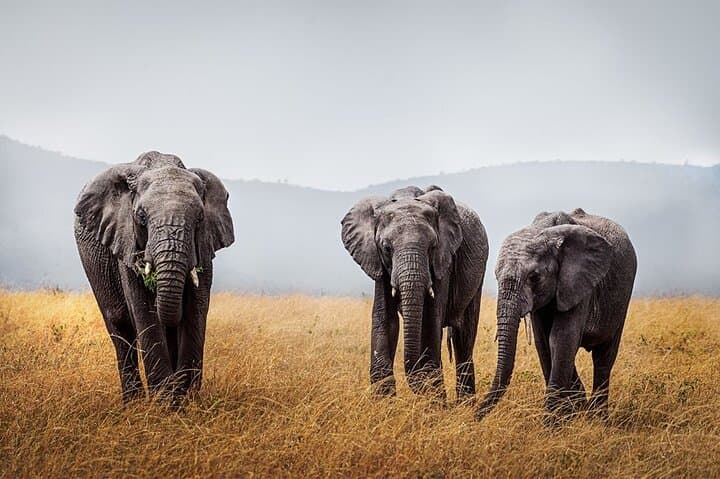
Katavi is known for large herds of buffalo, elephants, zebra and topi, prolific hippo and crocodile concentrations, and dramatic lion-buffalo interactions during the dry season.
Tented camps included in this itinerary offer full board (breakfast, lunch, dinner), basic hot-water showers and simple comforts — expect authentic, low-impact lodge facilities rather than luxury hotels.
The western corridor has long been sparsely populated with livelihoods tied to fishing and pastoralism; conservation efforts in Mahale began in the 1960s to protect chimpanzees and forest habitat.
Both parks prioritize low-impact tourism and community involvement; visitors should minimize single-use plastics, follow park rules, and respect wildlife distances to reduce disturbance.
Serengeti Camping Safari operates guided outdoor trips and adventures with an emphasis on safety, stewardship, and memorable experiences.
The first light over Katavi spills across a plain thick with dust and the slow silhouettes of buffalo, and the silence is broken only by distant grunts and the occasional rumble of hippos in the river. This eight-day itinerary threads two of Tanzania’s most remote wilderness areas — Katavi National Park’s expansive floodplains and the rainforest-fringed shores of Mahale Mountains on Lake Tanganyika — linked by charter flights and boat transfers that feel more like expedition logistics than tourism.
The first light over Katavi spills across a plain thick with dust and the slow silhouettes of buffalo, and the silence is broken only by distant grunts and the occasional rumble of hippos in the river. This eight-day itinerary threads two of Tanzania’s most remote wilderness areas — Katavi National Park’s expansive floodplains and the rainforest-fringed shores of Mahale Mountains on Lake Tanganyika — linked by charter flights and boat transfers that feel more like expedition logistics than tourism.
Katavi’s geology is broad, flat plains cut by seasonal channels that concentrate wildlife in the dry months, producing spectacular predator-prey encounters and enormous hippo pools. Mahale rises abruptly from Lake Tanganyika; steep, forested slopes host one of Africa’s last reliable populations of wild chimpanzees. The human history here is light: sparse settlement, occasional fishing villages on Tanganyika, and a long tradition of bushcraft among local communities.
Expect game drives from open 4x4s, guided chimpanzee treks on uneven jungle trails, and boat crossings to thatched tented camps on white sand. Wildlife viewing is intimate and often solitary — encounters can last minutes to hours, so patience and quiet reward you. Practical planning matters: charter flights can be affected by weather, boat transfers require steady seas, and malaria precautions are standard.
Pack binoculars, breathable layers for humid forest and cool bush mornings, solid walking shoes, and reef-safe sunscreen. Hydrate before treks, follow guide briefings on chimp tracking etiquette, and allow extra travel time for remote logistics. For travelers after an off-the-grid safari that balances big-game spectacle with primate-focused forest walks, this route delivers a rare, thoughtfully wild West Tanzania experience.