THE ADVENTURE COLLECTIVE® · Independent discovery and booking for outdoor travel

An eight-day loop from Aqaba that links the Red Sea, Wadi Rum’s desert panoramas, Nabatean Petra and the Dead Sea. Expect multi-hour jeep runs, guided Petra walks, Crusader castles and two nights in Amman.
An eight-day loop from Aqaba that links the Red Sea, Wadi Rum’s desert panoramas, Nabatean Petra and the Dead Sea. Expect multi-hour jeep runs, guided Petra walks, Crusader castles and two nights in Amman.
You step out of the car in Aqaba and the air taste of salt and sun; in eight days that same sun will scorch the Dead Sea shore, soften the sandstone of Petra and silhouette the jagged mountains of Wadi Rum at sunset.
Verified experiences and guided adventures in the surrounding area.
Operated by Jordan Horizon Tours · Aqaba, Aqaba Governorate
You step out of the car in Aqaba and the air taste of salt and sun; in eight days that same sun will scorch the Dead Sea shore, soften the sandstone of Petra and silhouette the jagged mountains of Wadi Rum at sunset.
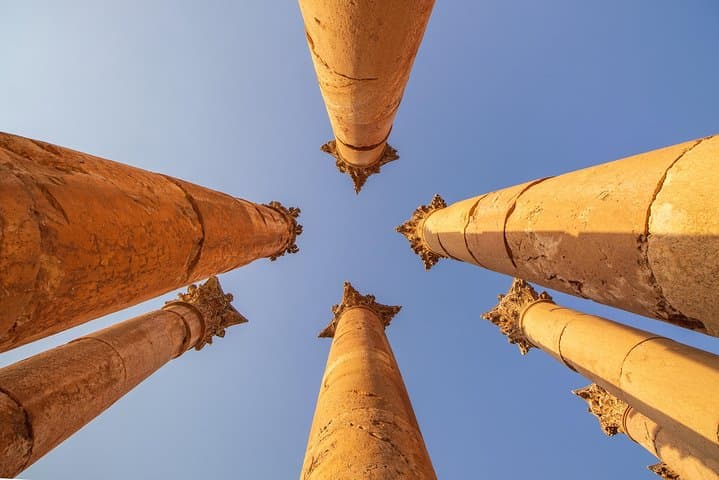
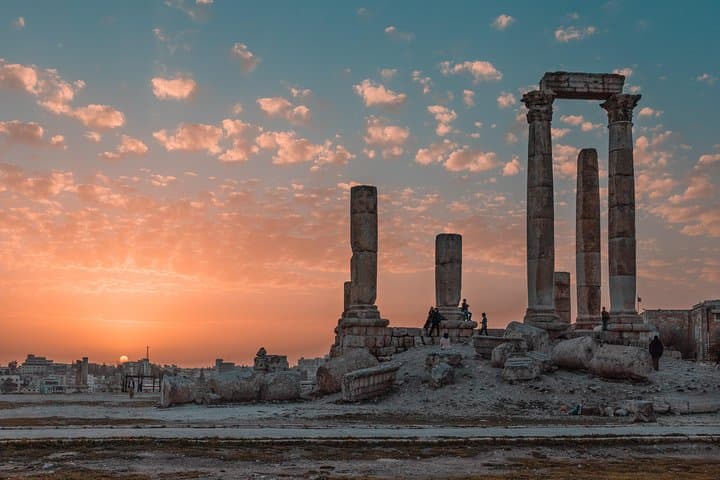
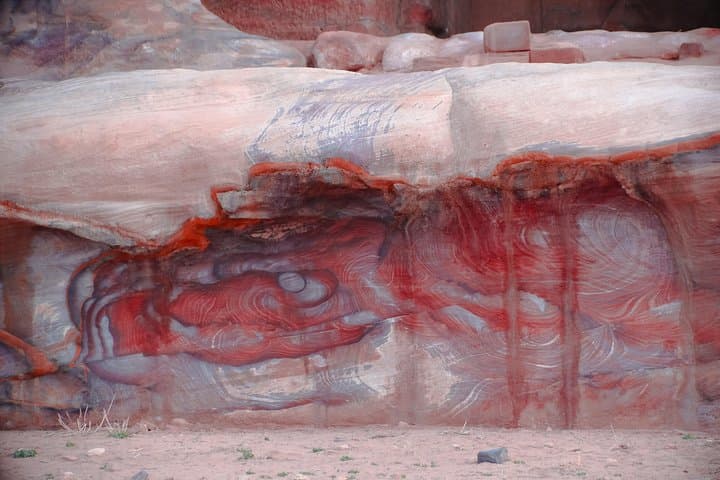
This loop moves from the Red Sea to the high desert to the Fertile Crescent: Wadi Rum’s sandstone and granite formations were carved over millions of years and still funnel wind into dramatic arches and canyons. Petra’s rose-red sandstone records Nabatean engineering and Roman façades; Jerash preserves a Greco‑Roman street grid. Crusader ruins at Shobak and Karak speak to medieval conflict while Madaba’s Byzantine mosaics map a different sacred geography.
Expect varied terrain: 4–5 hour jeep runs across loose sand and washboard tracks in Wadi Rum; a roughly 3-hour guided walk through Petra that covers 2–4 km of uneven paved and sandy surfaces; short paved visits in Amman and Jerash. Elevations range from the Dead Sea (about −430 m) to Petra (~1,000 m), so temperature and exertion change daily.
Practical guidance: hydrate early and often, carry 2–3 liters per person in the desert, and break up Petra visits into morning and late-afternoon windows to avoid midday heat. Sturdy hiking shoes with good tread and a daypack for water and layers are essential. Cultural norms are conservative—dress respectfully in towns and religious sites. For Wadi Rum camping, expect basic Bedouin-style desert camps with communal meals and clear, expansive night skies.
This itinerary balances driving with walking and cultural stops—bring patience for transfers and curiosity for a landscape that keeps revealing new angles as you move through it.
moderate.
8 days.
Moderate fitness — able to walk 2–4 km on uneven terrain and tolerate several hours of vehicle travel between sites
Many nationalities qualify for a visa on arrival when staying longer than 48 hours; the tour includes visa fees but provide passport details in advance.
Expect a 2.5–3 hour guided walk in Petra covering 2–4 km of mixed terrain; Jerash includes a 1–1.5 hour guided walk over mostly paved Roman ruins.
Hotels in Aqaba, Amman, Petra and the Dead Sea are standard tourist hotels with breakfast; Wadi Rum camping is Bedouin-style with basic facilities, dinner and breakfast included.
Yes for most children, but the 4–5 hour off‑road terrain can be bumpy; infant seats are available and camel rides are optional and paid locally.
Jordan’s routes link Nabatean Petra, Roman Jerash and Crusader castles along ancient trade and pilgrimage corridors that shaped Levantine history.
Water scarcity and fragile sandstone require low-impact travel: stick to marked paths, avoid trampling cryptobiotic soil in desert areas and minimize single‑use plastics.
Jordan Horizon Tours operates guided outdoor trips and adventures with an emphasis on safety, stewardship, and memorable experiences.
You step out of the car in Aqaba and the air taste of salt and sun; in eight days that same sun will scorch the Dead Sea shore, soften the sandstone of Petra and silhouette the jagged mountains of Wadi Rum at sunset.
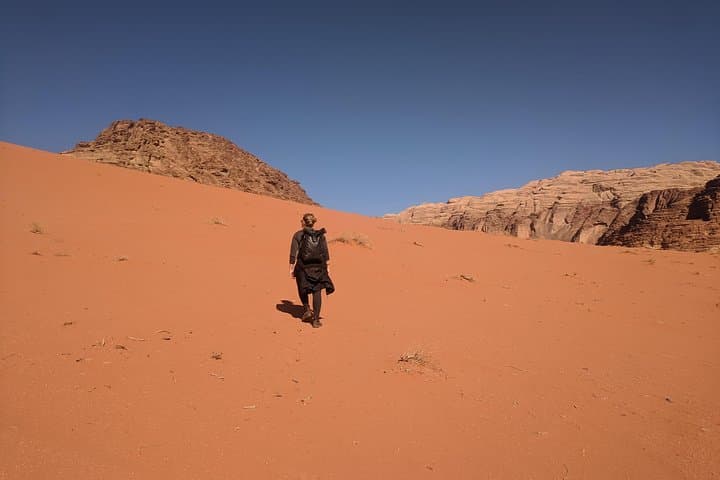
You step out of the car in Aqaba and the air taste of salt and sun; in eight days that same sun will scorch the Dead Sea shore, soften the sandstone of Petra and silhouette the jagged mountains of Wadi Rum at sunset.
This loop moves from the Red Sea to the high desert to the Fertile Crescent: Wadi Rum’s sandstone and granite formations were carved over millions of years and still funnel wind into dramatic arches and canyons. Petra’s rose-red sandstone records Nabatean engineering and Roman façades; Jerash preserves a Greco‑Roman street grid. Crusader ruins at Shobak and Karak speak to medieval conflict while Madaba’s Byzantine mosaics map a different sacred geography.
Expect varied terrain: 4–5 hour jeep runs across loose sand and washboard tracks in Wadi Rum; a roughly 3-hour guided walk through Petra that covers 2–4 km of uneven paved and sandy surfaces; short paved visits in Amman and Jerash. Elevations range from the Dead Sea (about −430 m) to Petra (~1,000 m), so temperature and exertion change daily.
Practical guidance: hydrate early and often, carry 2–3 liters per person in the desert, and break up Petra visits into morning and late-afternoon windows to avoid midday heat. Sturdy hiking shoes with good tread and a daypack for water and layers are essential. Cultural norms are conservative—dress respectfully in towns and religious sites. For Wadi Rum camping, expect basic Bedouin-style desert camps with communal meals and clear, expansive night skies.
This itinerary balances driving with walking and cultural stops—bring patience for transfers and curiosity for a landscape that keeps revealing new angles as you move through it.