THE ADVENTURE COLLECTIVE® · Independent discovery and booking for outdoor travel

An eight-day trek from Marrakech into the volcanic Jebel Saghro explores basalt ridges, Berber camps and summit approaches near 2,500 m. Expect multi-day walking with mule logistics, remote villages and big desert skies.
An eight-day trek from Marrakech into the volcanic Jebel Saghro explores basalt ridges, Berber camps and summit approaches near 2,500 m. Expect multi-day walking with mule logistics, remote villages and big desert skies.
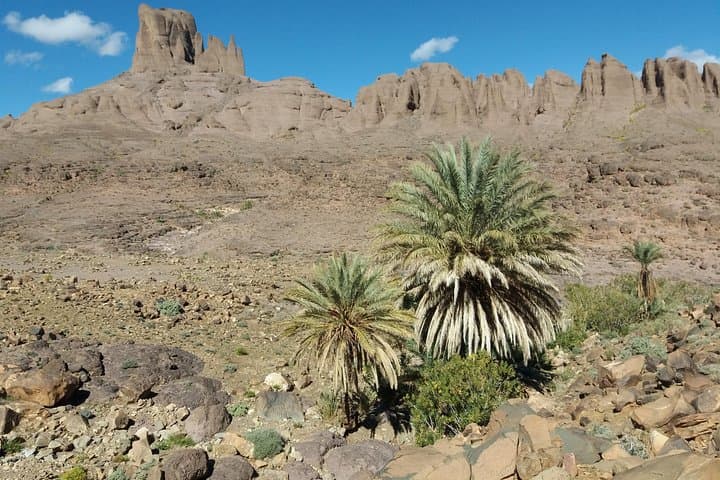
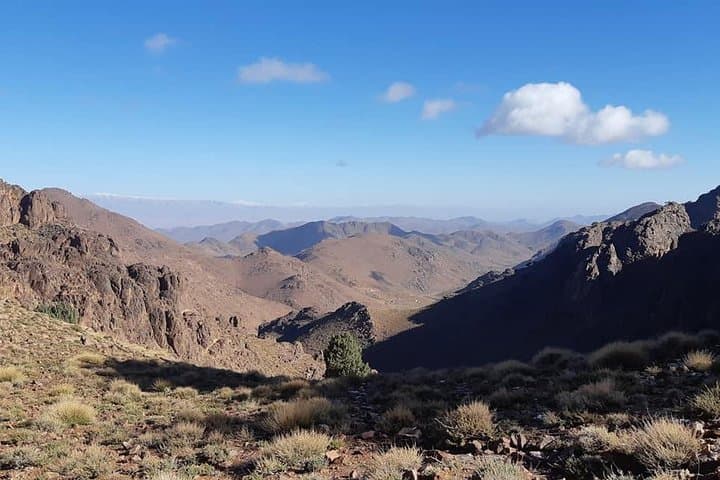
High, dry wind scours the slopes of Jebel Saghro as you step out of the mule line, the mountain’s black volcanic ridges cutting a serrated horizon against an immense Saharan sky.
Verified experiences and guided adventures in the surrounding area.
Operated by EASYGO TOURS · Marrakech, Marrakech-Safi
High, dry wind scours the slopes of Jebel Saghro as you step out of the mule line, the mountain’s black volcanic ridges cutting a serrated horizon against an immense Saharan sky.
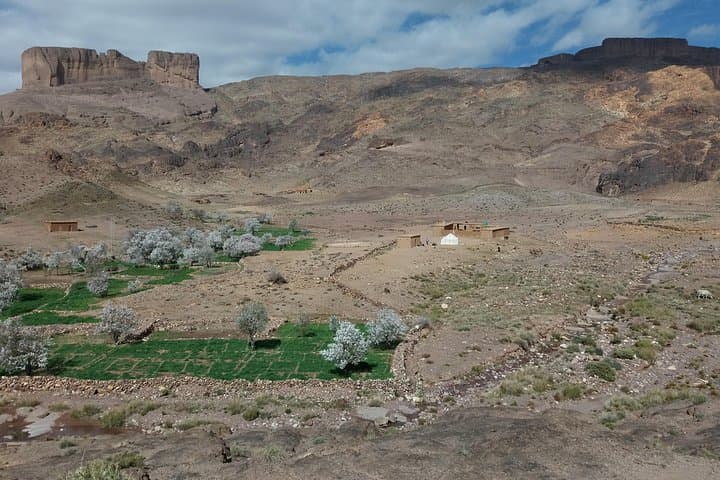
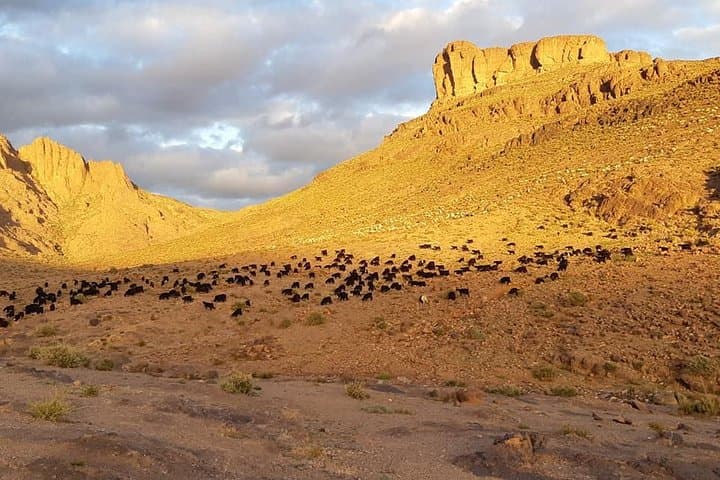
Over eight days the route moves from the ochre kasbahs above the Draa Valley into basalt ridges, fossil-rich canyons and sparsely irrigated oases. The Saghro range is geologically young and volcanic — rough lava flows, steep talus and eroded spires — a different face of Morocco than the High Atlas’ granite peaks. Local Ait Atta and Amazigh communities have grazed these valleys for centuries; you’ll pass small villages, stone guesthouses and seasonal fields of barley and almonds.
Trek days are steady: 4–6 hours on mostly unmarked trails, occasional scree slopes and short, steep ascents (summit approaches reach about 2,500 m). Nights are in simple Berber camps or a riad and bring clear, star-filled skies and the smell of wood fire stews. Guides use mules for luggage and set up canvas camps; expect basic but comfortable bedding.
Plan for sun, wind and large daily temperature swings: layered clothing, sun protection and at least 3 liters of water per day are essential. Footwear should be broken-in boots with good traction for volcanic scree. Pace conservatively on summit days, keep hydrated and follow your guide’s route choices. Logistics are typically door-to-door from Marrakech with private transport over the Tizi n’Tichka pass; bring cash for small village purchases and a copy of your passport for permits. Expect dramatic light at dawn and dusk.
challenging.
8 days.
Good cardiovascular fitness and experience with multi-day hikes; comfortable walking 4–6 hours daily with steady ascents.
Spring (March–May) and fall (September–November) offer moderate temperatures and clearer conditions; summers are hot, winters can be cold with occasional snow at higher elevations.
No technical climbing is required; summit days involve steep, sustained hiking and loose scree — good stamina and sure-footedness are needed.
You’ll sleep two nights in a Marrakech hotel or riad and the remainder in simple Berber camps or local guesthouses with basic bedding and communal meals.
Not recommended for very young children, travelers with serious back issues, pregnant travelers, or those with significant cardiovascular problems due to long walking days and rugged terrain.
The Saghro sits along historic trans-Saharan routes and is home to Ait Atta and Amazigh communities that have shepherded and farmed these valleys for generations.
The region’s fragile desert ecology is sensitive to erosion and overgrazing; stick to camp areas, minimize firewood collection and pack out waste.
EASYGO TOURS operates guided outdoor trips and adventures with an emphasis on safety, stewardship, and memorable experiences.
High, dry wind scours the slopes of Jebel Saghro as you step out of the mule line, the mountain’s black volcanic ridges cutting a serrated horizon against an immense Saharan sky.
High, dry wind scours the slopes of Jebel Saghro as you step out of the mule line, the mountain’s black volcanic ridges cutting a serrated horizon against an immense Saharan sky.
Over eight days the route moves from the ochre kasbahs above the Draa Valley into basalt ridges, fossil-rich canyons and sparsely irrigated oases. The Saghro range is geologically young and volcanic — rough lava flows, steep talus and eroded spires — a different face of Morocco than the High Atlas’ granite peaks. Local Ait Atta and Amazigh communities have grazed these valleys for centuries; you’ll pass small villages, stone guesthouses and seasonal fields of barley and almonds.
Trek days are steady: 4–6 hours on mostly unmarked trails, occasional scree slopes and short, steep ascents (summit approaches reach about 2,500 m). Nights are in simple Berber camps or a riad and bring clear, star-filled skies and the smell of wood fire stews. Guides use mules for luggage and set up canvas camps; expect basic but comfortable bedding.
Plan for sun, wind and large daily temperature swings: layered clothing, sun protection and at least 3 liters of water per day are essential. Footwear should be broken-in boots with good traction for volcanic scree. Pace conservatively on summit days, keep hydrated and follow your guide’s route choices. Logistics are typically door-to-door from Marrakech with private transport over the Tizi n’Tichka pass; bring cash for small village purchases and a copy of your passport for permits. Expect dramatic light at dawn and dusk.