THE ADVENTURE COLLECTIVE® · Independent discovery and booking for outdoor travel

An 8-day walking itinerary that links McLeod Ganj, Kareri Lake and Triund through village trails, alpine meadows and forested ridges. This trek blends cultural homestays with multi-day camping and panoramic Himalayan views.
An 8-day walking itinerary that links McLeod Ganj, Kareri Lake and Triund through village trails, alpine meadows and forested ridges. This trek blends cultural homestays with multi-day camping and panoramic Himalayan views.
The trail opens with morning light slicing through pine and rhododendron above McLeod Ganj, where prayer flags flutter and the town hums with Tibetan chants. You set off from that steep amphitheatre of houses, shoulder into a narrow road, and soon the village markets and tea stalls recede, replaced by a path that climbs through mixed oak and pine toward alpine meadows.
Verified experiences and guided adventures in the surrounding area.
Operated by Tourism Scouts India · McLeod Ganj, Himachal Pradesh
The trail opens with morning light slicing through pine and rhododendron above McLeod Ganj, where prayer flags flutter and the town hums with Tibetan chants. You set off from that steep amphitheatre of houses, shoulder into a narrow road, and soon the village markets and tea stalls recede, replaced by a path that climbs through mixed oak and pine toward alpine meadows.
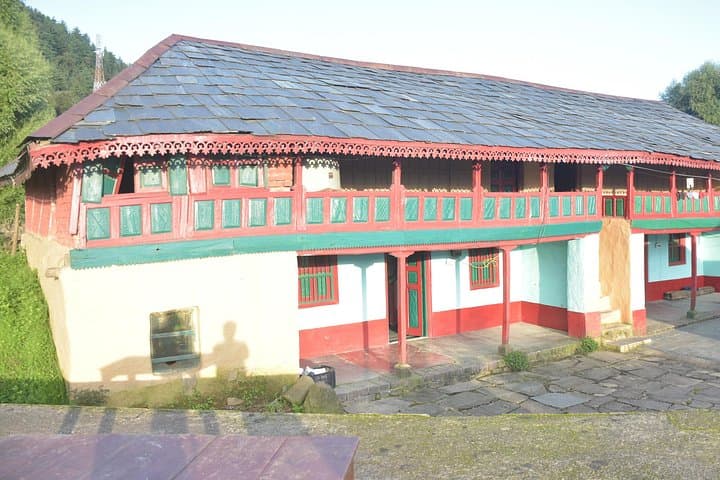
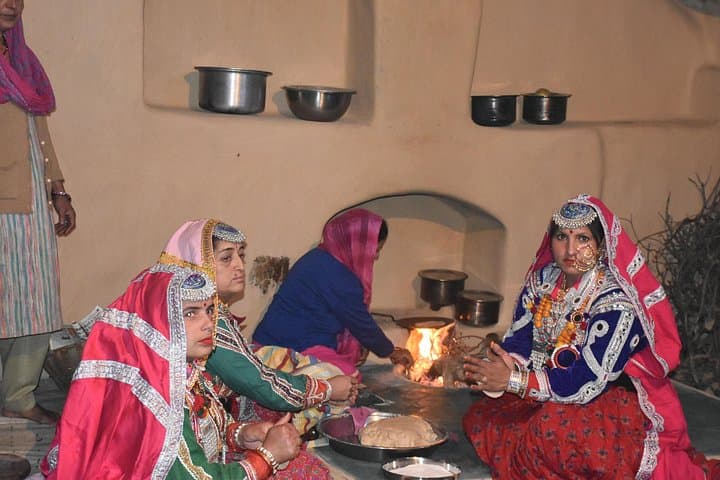
This route threads Dharamshala’s modern Tibetan culture and the older hill-farming traditions of Salli, Kareri and Balh villages. Geologically the Dhauladhar range is a sharp, younger spur of the Himalaya — steep ridgelines and glacially carved valleys create the abrupt climbs and expansive views you’ll earn at Triund and Kareri Lake. Local life here is defined by seasonal agriculture and monastic influence: expect warm homestay hospitality in McLeod Ganj and simple village guesthouses en route.
Practical guidance: the trek averages 4–7 hours of walking on trekking trails with sustained ascents to near 2,900m at Kareri Lake; trail surfaces vary from compact dirt to loose scree and riverbeds. Acclimatize with easy first days, carry water treatment, and plan for rapid temperature swings — mornings can be frosty even in summer. Camps are alpine tents a short distance from Kareri’s shore due to local regulations; bring a warm sleeping bag and be prepared for rustic toilets.
Expect stream crossings, short steep descents and ascents (some sections can be slippery after rain), and panoramic vistas of the Dhauladhar ridgeline. Respect local customs, pack out waste, and budget time for spontaneous village visits — the best views often come after a patient climb.
moderate.
8 days.
Moderate cardiovascular fitness and ability to hike 4–7 hours per day with a daypack; some steep sustained ascents and descents.
No special permits are required for these routes, but local restrictions (like lakeside camping limits) are enforced; follow your operator’s guidance.
You should be comfortable hiking 4–7 hours a day on uneven terrain and be able to manage sustained uphill sections; basic cardio training and practice hikes are recommended.
Lakeside camping has restrictions; tents are typically pitched about 200m from the shore at designated sites to protect the fragile lakeshore.
Fly into Kangra (Gaggal) Airport near Dharamshala and take a short private transfer, or travel by road from Pathankot or Chandigarh; transfers are usually arranged by the operator.
McLeod Ganj combines Tibetan exile culture with traditional Himachali villages; the Dhauladhar ridge formed from tectonic uplift and glacial carving, producing abrupt ridgelines and steep valleys.
Authorities restrict lakeside camping to reduce erosion and human impact; practice Leave No Trace, avoid polluting streams, and use provided toilet areas.
Tourism Scouts India operates guided outdoor trips and adventures with an emphasis on safety, stewardship, and memorable experiences.
The trail opens with morning light slicing through pine and rhododendron above McLeod Ganj, where prayer flags flutter and the town hums with Tibetan chants. You set off from that steep amphitheatre of houses, shoulder into a narrow road, and soon the village markets and tea stalls recede, replaced by a path that climbs through mixed oak and pine toward alpine meadows.
The trail opens with morning light slicing through pine and rhododendron above McLeod Ganj, where prayer flags flutter and the town hums with Tibetan chants. You set off from that steep amphitheatre of houses, shoulder into a narrow road, and soon the village markets and tea stalls recede, replaced by a path that climbs through mixed oak and pine toward alpine meadows.
This route threads Dharamshala’s modern Tibetan culture and the older hill-farming traditions of Salli, Kareri and Balh villages. Geologically the Dhauladhar range is a sharp, younger spur of the Himalaya — steep ridgelines and glacially carved valleys create the abrupt climbs and expansive views you’ll earn at Triund and Kareri Lake. Local life here is defined by seasonal agriculture and monastic influence: expect warm homestay hospitality in McLeod Ganj and simple village guesthouses en route.
Practical guidance: the trek averages 4–7 hours of walking on trekking trails with sustained ascents to near 2,900m at Kareri Lake; trail surfaces vary from compact dirt to loose scree and riverbeds. Acclimatize with easy first days, carry water treatment, and plan for rapid temperature swings — mornings can be frosty even in summer. Camps are alpine tents a short distance from Kareri’s shore due to local regulations; bring a warm sleeping bag and be prepared for rustic toilets.
Expect stream crossings, short steep descents and ascents (some sections can be slippery after rain), and panoramic vistas of the Dhauladhar ridgeline. Respect local customs, pack out waste, and budget time for spontaneous village visits — the best views often come after a patient climb.