THE ADVENTURE COLLECTIVE® · Independent discovery and booking for outdoor travel

Move between volcanic shores and blue channels on an eight-day, land-based island hop designed for divers and nature lovers — from tortoise farms to hammerhead encounters at Gordon Rocks. Practical diving notes and wildlife protocols included.
Move between volcanic shores and blue channels on an eight-day, land-based island hop designed for divers and nature lovers — from tortoise farms to hammerhead encounters at Gordon Rocks. Practical diving notes and wildlife protocols included.
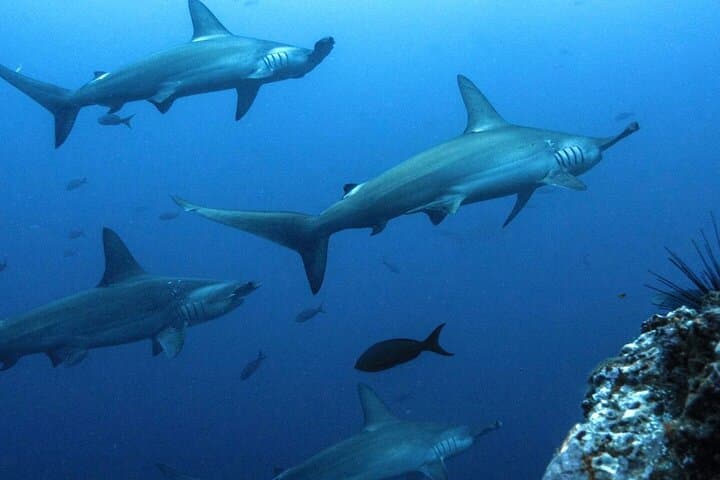
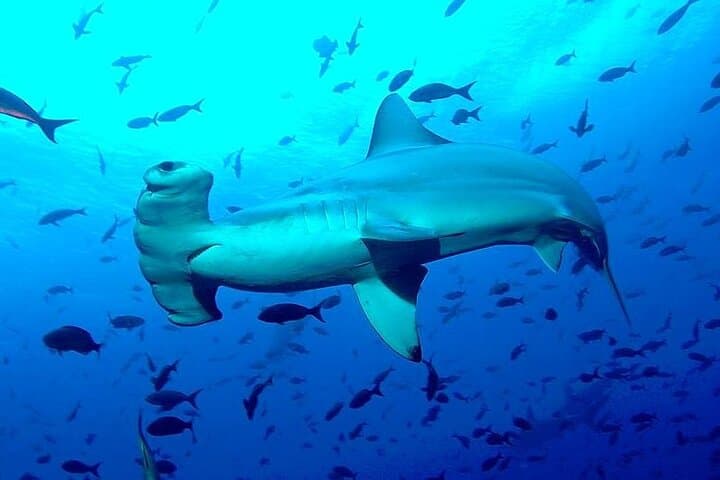
You step off the skiff and the air feels different: saline-bright, punctuated by the cry of a blue-footed booby and the low rumble of surf against black volcanic rock. Over eight days you will move between islands as if turning pages of the same wild book — Santa Cruz highlands where tortoises share pastures with cattle, the shallow lava canyons of Los Túneles crowded with turtles and rays, and open-ocean drop-offs that throw schools of hammerheads into relief.
Verified experiences and guided adventures in the surrounding area.
Operated by Kajol Lavan Travel · Puerto Ayora, Galápagos
You step off the skiff and the air feels different: saline-bright, punctuated by the cry of a blue-footed booby and the low rumble of surf against black volcanic rock. Over eight days you will move between islands as if turning pages of the same wild book — Santa Cruz highlands where tortoises share pastures with cattle, the shallow lava canyons of Los Túneles crowded with turtles and rays, and open-ocean drop-offs that throw schools of hammerheads into relief.
The Galapagos are geologically young — a scatter of volcanic cones pushed up by the Nazca Plate — and that youth explains the raw edges you’ll see above water and the complex currents below. Charles Darwin’s visits in the 19th century are the origin story for the islands’ fame, but today the archipelago’s living laboratory is managed carefully: Galapagos National Park rules and strict visitor protocols keep encounters close but respectful.
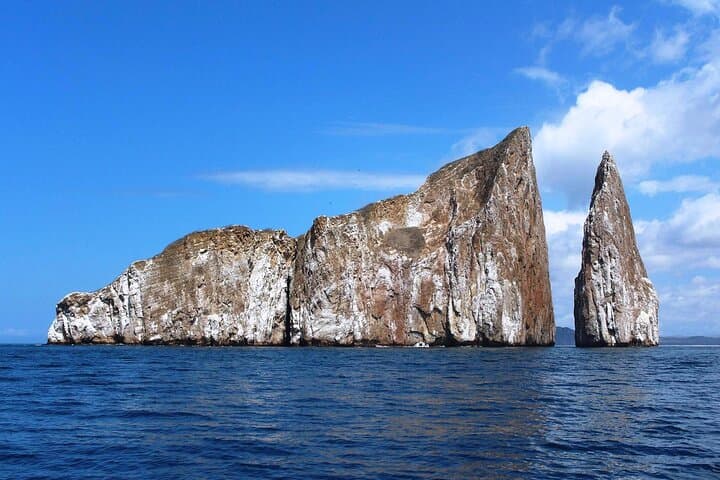
This itinerary is built around the sea. Expect shore hikes in a semi-arid scrub and mossy highland trails, but the real staging grounds are the boats and reefs. Dive sites vary widely: North Seymour and Mosquera reward divers with mantas, rays and cleaning stations on rocky slopes; Kicker Rock’s 19m channel funnels hammerheads and eagle rays in calmer currents; Gordon Rocks is the “washing machine” — strong surges and deep drop-offs best left to experienced divers with advanced certifications.
Practical edge: plan for changeable conditions. Water temperatures hover between 20–25°C (68–78°F) depending on season and thermoclines; visibility can swing from 6–18m. Diving rotations mean early starts and long boat transfers; on land, bring layered clothing for cool mornings in the highlands and hot midday sun at the coast.
Local culture is sparse but warm — fishing villages and small hotels revolve around the sea and conservation tourism. Guides are bilingual and trained in park protocol; expect daily briefings on wildlife etiquette, tide windows and dive-site specifics.
If you’re a diver, check credentials and logbook: Gordon Rocks requires advanced certification and experience. Snorkelers will have stellar opportunities at Tintoreras and Kicker Rock. Hydration, reef-safe sunscreen, and a handful of spare mask straps will save your trip. Finally, take the slow view: the islands insist you notice details — the deliberate gait of a giant tortoise, the razor-sharp shadows of a passing hammerhead. They don’t rush.
This is an island-hopping trip that balances high-adrenaline dives with quiet wildlife encounters and practical logistics; come prepared, respectful, and eager to let the sea lead the way.
challenging.
8 days.
Moderate to fit: days include multiple boat transfers, dives and short hikes; divers should be comfortable with repetitive exertion and surface swims.
Yes — basic dives are available, but advanced sites like Gordon Rock require Advanced Open Water certification and significant logged experience.
Yes — snorkeling equipment is included for surface activities; bring your own dive gear if you prefer and check with the operator for rental options.
Water temps range roughly 20–25°C (68–78°F); visibility commonly runs 6–18m but varies with season and currents.
Very strict — Galapagos National Park enforces minimum distances and prohibits touching or feeding wildlife; guides will brief you daily.
Boat transfers can be bumpy; if you're prone to motion sickness, take preventive medication and choose midship seats near the waterline.
The tour includes daily breakfasts and six lunches, plus listed accommodations (e.g., Hotel Galapagos Dreams, Hotel Gran Tintorera) as noted in the itinerary.
The islands played a pivotal role in the development of evolutionary theory after Charles Darwin’s 1835 visit; many visitor sites are designated to protect habitats Darwin first recorded.
The archipelago is heavily regulated by Galapagos National Park — adhere to trail rules, use reef‑safe products, and support local operators who fund conservation and community projects.
Kajol Lavan Travel operates guided outdoor trips and adventures with an emphasis on safety, stewardship, and memorable experiences.
You step off the skiff and the air feels different: saline-bright, punctuated by the cry of a blue-footed booby and the low rumble of surf against black volcanic rock. Over eight days you will move between islands as if turning pages of the same wild book — Santa Cruz highlands where tortoises share pastures with cattle, the shallow lava canyons of Los Túneles crowded with turtles and rays, and open-ocean drop-offs that throw schools of hammerheads into relief.
You step off the skiff and the air feels different: saline-bright, punctuated by the cry of a blue-footed booby and the low rumble of surf against black volcanic rock. Over eight days you will move between islands as if turning pages of the same wild book — Santa Cruz highlands where tortoises share pastures with cattle, the shallow lava canyons of Los Túneles crowded with turtles and rays, and open-ocean drop-offs that throw schools of hammerheads into relief.
The Galapagos are geologically young — a scatter of volcanic cones pushed up by the Nazca Plate — and that youth explains the raw edges you’ll see above water and the complex currents below. Charles Darwin’s visits in the 19th century are the origin story for the islands’ fame, but today the archipelago’s living laboratory is managed carefully: Galapagos National Park rules and strict visitor protocols keep encounters close but respectful.
This itinerary is built around the sea. Expect shore hikes in a semi-arid scrub and mossy highland trails, but the real staging grounds are the boats and reefs. Dive sites vary widely: North Seymour and Mosquera reward divers with mantas, rays and cleaning stations on rocky slopes; Kicker Rock’s 19m channel funnels hammerheads and eagle rays in calmer currents; Gordon Rocks is the “washing machine” — strong surges and deep drop-offs best left to experienced divers with advanced certifications.
Practical edge: plan for changeable conditions. Water temperatures hover between 20–25°C (68–78°F) depending on season and thermoclines; visibility can swing from 6–18m. Diving rotations mean early starts and long boat transfers; on land, bring layered clothing for cool mornings in the highlands and hot midday sun at the coast.
Local culture is sparse but warm — fishing villages and small hotels revolve around the sea and conservation tourism. Guides are bilingual and trained in park protocol; expect daily briefings on wildlife etiquette, tide windows and dive-site specifics.
If you’re a diver, check credentials and logbook: Gordon Rocks requires advanced certification and experience. Snorkelers will have stellar opportunities at Tintoreras and Kicker Rock. Hydration, reef-safe sunscreen, and a handful of spare mask straps will save your trip. Finally, take the slow view: the islands insist you notice details — the deliberate gait of a giant tortoise, the razor-sharp shadows of a passing hammerhead. They don’t rush.
This is an island-hopping trip that balances high-adrenaline dives with quiet wildlife encounters and practical logistics; come prepared, respectful, and eager to let the sea lead the way.