THE ADVENTURE COLLECTIVE® · Independent discovery and booking for outdoor travel

Walk where samurai, courtiers, and tea masters shaped Japan’s story. This 8-day guided tour in Kyoto pairs museum context with on-site experiences—samurai artifacts, imperial villas, shrine trails, and traditional tea—while offering practical guidance for urban hiking and cultural etiquette.
Walk where samurai, courtiers, and tea masters shaped Japan’s story. This 8-day guided tour in Kyoto pairs museum context with on-site experiences—samurai artifacts, imperial villas, shrine trails, and traditional tea—while offering practical guidance for urban hiking and cultural etiquette.
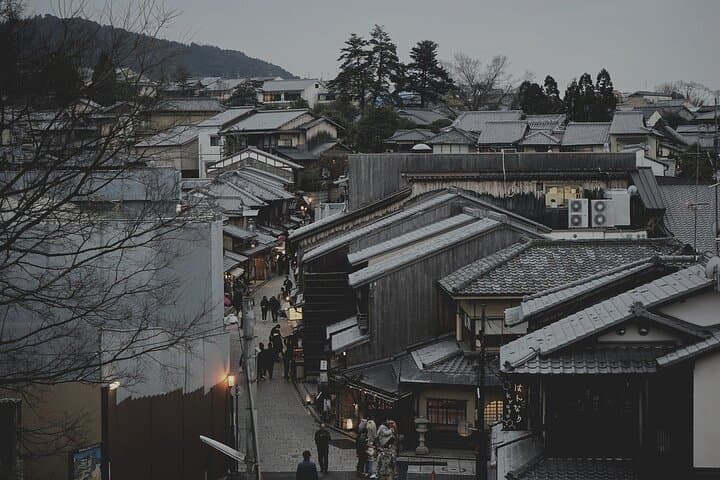
You step off the train into Kyoto Station's glass atrium and the city's layered history presses close: sleek urban corridors give way within minutes to moss-slick temple steps and narrow streets lit by paper lanterns.
Verified experiences and guided adventures in the surrounding area.
Operated by Anthro Tours · Kyoto, Kyoto
You step off the train into Kyoto Station's glass atrium and the city's layered history presses close: sleek urban corridors give way within minutes to moss-slick temple steps and narrow streets lit by paper lanterns.
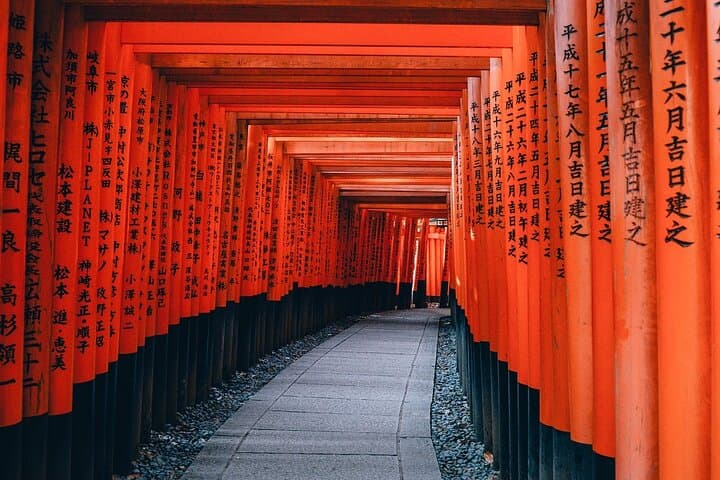
Over eight days this guided tour threads through the physical and cultural geography of Feudal Japan—courtyards where samurai once paced, teak-lined tea houses where ritual still prescribes the pour, and shrine trails climbing the forested flanks of the Kyoto basin. Geologically, Kyoto sits in a broad basin ringed by low mountains; rivers like the Kamo trace corridors that have shaped settlement and ritual travel for centuries.
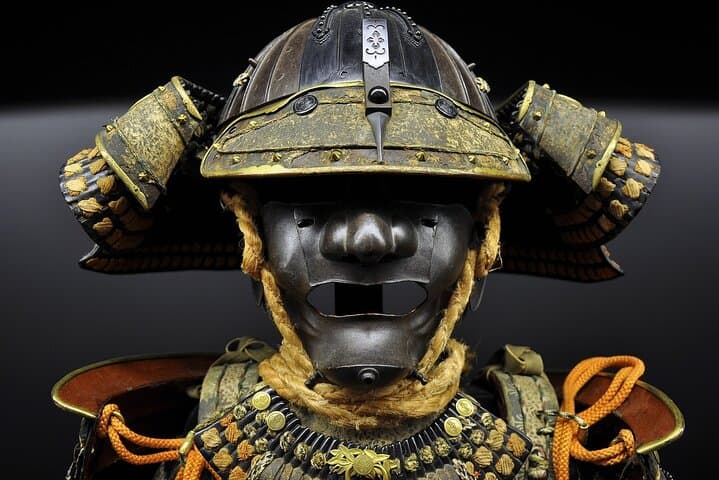
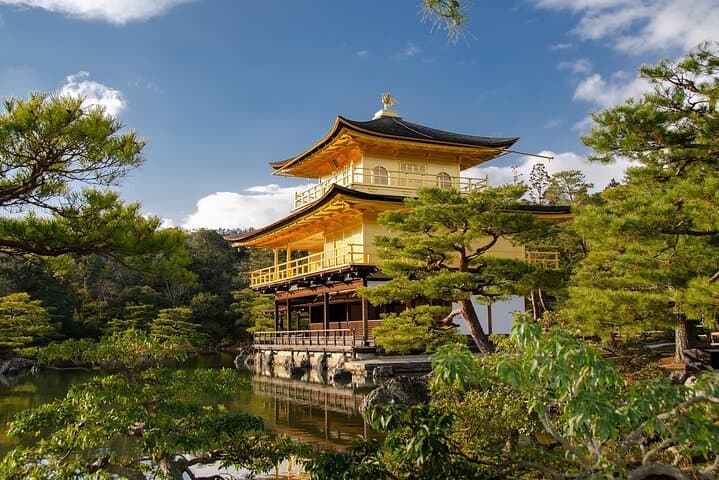
The itinerary pairs museum context with on-site storytelling: samurai armor and Nijo Castle’s nightingale floors illustrate military and court power, while Katsura Villa and Golden Pavilion reveal aesthetic principles that informed architecture, gardens, and tea ceremony. Local guides emphasize continuity—craft shops in Nishiki Market still use techniques carried forward from the Edo and earlier periods.
Practically, expect daily urban hikes of roughly 3–6 km over varied terrain: paved streets, temple gravel, and occasional stone stairways. Modest elevation changes occur when visiting hillside shrines. Bring shoes that handle cobblestones and steps; move deliberately at religious sites, follow guide instructions for photography and offerings, and carry cash for small temples and market stalls. Plan mornings for major sites to avoid crowds and afternoons to linger in quieter neighborhoods like Sannenzaka. Hydrate in summer and layer in spring/fall when temperatures swing. The tour balances paced historical interpretation with time for personal exploration—ideal for travelers seeking deep cultural context without intense physical demands.
moderate.
8 days.
Moderate fitness—comfortable with several hours of urban walking and short stair climbs each day
Meeting is at Kyoto Station’s main concourse; guides will provide specific meeting points and times in your final confirmation.
The tour includes stairs and uneven temple grounds; travelers with limited mobility should contact the operator to discuss accessibility and possible adjustments.
Breakfast, seven lunches, and seven dinners are included as specified—expect a mix of set meals and local restaurants; notify for dietary restrictions at booking.
Tours are typically conducted in English; confirm language availability at booking if you require another language.
Kyoto served as Japan’s imperial capital for over a thousand years; many sites preserve architectural and ceremonial practices from the feudal eras of samurai and shogun governance.
Temples and gardens rely on careful visitor behavior and donations; follow site rules, avoid off-trail wandering, and minimize single-use plastics to reduce impact.
Anthro Tours operates guided outdoor trips and adventures with an emphasis on safety, stewardship, and memorable experiences.
You step off the train into Kyoto Station's glass atrium and the city's layered history presses close: sleek urban corridors give way within minutes to moss-slick temple steps and narrow streets lit by paper lanterns.
You step off the train into Kyoto Station's glass atrium and the city's layered history presses close: sleek urban corridors give way within minutes to moss-slick temple steps and narrow streets lit by paper lanterns.
Over eight days this guided tour threads through the physical and cultural geography of Feudal Japan—courtyards where samurai once paced, teak-lined tea houses where ritual still prescribes the pour, and shrine trails climbing the forested flanks of the Kyoto basin. Geologically, Kyoto sits in a broad basin ringed by low mountains; rivers like the Kamo trace corridors that have shaped settlement and ritual travel for centuries.
The itinerary pairs museum context with on-site storytelling: samurai armor and Nijo Castle’s nightingale floors illustrate military and court power, while Katsura Villa and Golden Pavilion reveal aesthetic principles that informed architecture, gardens, and tea ceremony. Local guides emphasize continuity—craft shops in Nishiki Market still use techniques carried forward from the Edo and earlier periods.
Practically, expect daily urban hikes of roughly 3–6 km over varied terrain: paved streets, temple gravel, and occasional stone stairways. Modest elevation changes occur when visiting hillside shrines. Bring shoes that handle cobblestones and steps; move deliberately at religious sites, follow guide instructions for photography and offerings, and carry cash for small temples and market stalls. Plan mornings for major sites to avoid crowds and afternoons to linger in quieter neighborhoods like Sannenzaka. Hydrate in summer and layer in spring/fall when temperatures swing. The tour balances paced historical interpretation with time for personal exploration—ideal for travelers seeking deep cultural context without intense physical demands.