THE ADVENTURE COLLECTIVE® · Independent discovery and booking for outdoor travel

From sunrise on Sigiriya’s cliffs to a safari in Yala and the Dutch stonework of Galle, this eight-day circuit covers Sri Lanka’s historical cores, tea-country heights and coastal calm. Expect stairs, train windows, temple rituals and close encounters with island life.
From sunrise on Sigiriya’s cliffs to a safari in Yala and the Dutch stonework of Galle, this eight-day circuit covers Sri Lanka’s historical cores, tea-country heights and coastal calm. Expect stairs, train windows, temple rituals and close encounters with island life.
You step out of the van before dawn, the humid air already warm, and crane your neck to the silhouette of Sigiriya—a hard, solitary crown rising from paddy flats. The climb begins with a stair-stepped rhythm: wet stone, carved handrails, fresco niches that seem to watch you pass. Below, rice paddies gleam like patchwork mirrors and the early sun fingers the peaks of distant hills. This is the sort of morning that sets the tone for eight days of moving through Sri Lanka’s contrasts: ruined kingdoms, highland tea gardens, slow coastal towns and a safari that keeps you alert for a pair of eyes in the scrub.
Verified experiences and guided adventures in the surrounding area.
Operated by Awesome Lanka Travels · Colombo, Western Province
You step out of the van before dawn, the humid air already warm, and crane your neck to the silhouette of Sigiriya—a hard, solitary crown rising from paddy flats. The climb begins with a stair-stepped rhythm: wet stone, carved handrails, fresco niches that seem to watch you pass. Below, rice paddies gleam like patchwork mirrors and the early sun fingers the peaks of distant hills. This is the sort of morning that sets the tone for eight days of moving through Sri Lanka’s contrasts: ruined kingdoms, highland tea gardens, slow coastal towns and a safari that keeps you alert for a pair of eyes in the scrub.
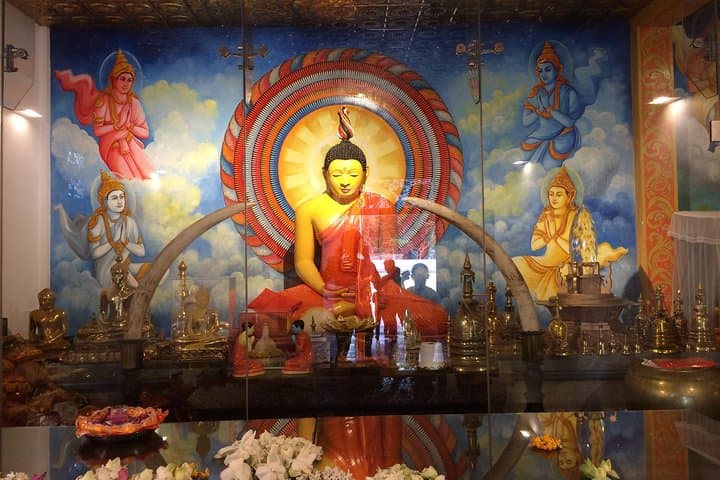
The route follows the island’s history. Sigiriya and Polonnaruwa are the remains of early Sinhalese kingdoms—rock palaces, giant Buddha statues and irrigation tanks that speak to sophisticated ancient engineering. Kandy holds the Temple of the Tooth, a living center of Buddhist practice and Kandyan dance. In the central highlands the temperature drops as tea estates and cloud-thick valleys unfold; the colonial-era railway to Ella is one of the world’s most scenic hour-long chapters, passing through tunnels and viaducts built by British engineers.
Geology presses the stakes: you move from Triassic-age metamorphic highlands to coastal limestone and mangrove-lined lagoons. Culture arrives in the form of village meals, ayurvedic treatments, mask-making workshops and a Dutch-era Galle Fort where coral-stone buildings still frame slow seaside life. Wildlife threads through the itinerary—elephants in Minneriya and leopards in Yala—but it’s the slow unveiling of place, day by day, that defines the trip.
Practical guide: expect several 2–4 hour road segments; the Sigiriya climb involves about 1–2 hours of stair climbing on uneven surfaces, while the Kandy and coastal walks are gentler. The Nuwara Eliya–Ella train leg is roughly 3–4 hours and is best booked early for window seats. Wear grippy shoes for ruins and light layers for highland mornings; insect repellent and sun protection are essential. Hydrate constantly in the lowlands; carry a refillable bottle—the operator provides bottled water.
Timing: the best balance is between November and March for southern and western coasts, but the highlands are pleasant year-round. Book entrance tickets for Sigiriya and Yala in advance where possible; bring local cash for small village vendors and tipping. Respect temple dress codes (covered shoulders and knees) and maintain a respectful distance from wildlife. For travelers willing to trade a fast pace for deep variety, this circuit delivers Sri Lanka’s natural and cultural essentials with a practical, locally grounded rhythm.
moderate.
8 days.
Moderate fitness: comfortable with multi-hour drives, short steep climbs (Sigiriya) and several hours of walking each day.
Most travelers require an Electronic Travel Authorization (ETA) obtained online before arrival—check your nationality’s requirements and apply in advance.
Some admissions are typically paid on-site; book-specific national park or Sigiriya tickets in advance when possible to avoid delays.
Trains vary by class; second class offers open windows and great views—book early or join the early morning service for the best scenery.
Wildlife sightings aren’t guaranteed, but experienced local drivers maximize chances of spotting leopards, elephants and wetland birdlife.
Sri Lankan rupees (LKR) are preferred. Carry some cash for small purchases; ATMs are common in larger towns but scarce in rural areas.
The itinerary lists private transport and some amenities; confirm with the operator which hotels and meals are covered before booking.
The itinerary traces centuries: from ancient irrigation-based kingdoms at Polonnaruwa to colonial layers visible in Galle’s Dutch Fort and the British-built hill-country railways.
Stick to park guidelines, avoid feeding wildlife and use refillable bottles where possible—many operators support local conservation fees that fund habitat protection.
Awesome Lanka Travels operates guided outdoor trips and adventures with an emphasis on safety, stewardship, and memorable experiences.
You step out of the van before dawn, the humid air already warm, and crane your neck to the silhouette of Sigiriya—a hard, solitary crown rising from paddy flats. The climb begins with a stair-stepped rhythm: wet stone, carved handrails, fresco niches that seem to watch you pass. Below, rice paddies gleam like patchwork mirrors and the early sun fingers the peaks of distant hills. This is the sort of morning that sets the tone for eight days of moving through Sri Lanka’s contrasts: ruined kingdoms, highland tea gardens, slow coastal towns and a safari that keeps you alert for a pair of eyes in the scrub.
You step out of the van before dawn, the humid air already warm, and crane your neck to the silhouette of Sigiriya—a hard, solitary crown rising from paddy flats. The climb begins with a stair-stepped rhythm: wet stone, carved handrails, fresco niches that seem to watch you pass. Below, rice paddies gleam like patchwork mirrors and the early sun fingers the peaks of distant hills. This is the sort of morning that sets the tone for eight days of moving through Sri Lanka’s contrasts: ruined kingdoms, highland tea gardens, slow coastal towns and a safari that keeps you alert for a pair of eyes in the scrub.
The route follows the island’s history. Sigiriya and Polonnaruwa are the remains of early Sinhalese kingdoms—rock palaces, giant Buddha statues and irrigation tanks that speak to sophisticated ancient engineering. Kandy holds the Temple of the Tooth, a living center of Buddhist practice and Kandyan dance. In the central highlands the temperature drops as tea estates and cloud-thick valleys unfold; the colonial-era railway to Ella is one of the world’s most scenic hour-long chapters, passing through tunnels and viaducts built by British engineers.
Geology presses the stakes: you move from Triassic-age metamorphic highlands to coastal limestone and mangrove-lined lagoons. Culture arrives in the form of village meals, ayurvedic treatments, mask-making workshops and a Dutch-era Galle Fort where coral-stone buildings still frame slow seaside life. Wildlife threads through the itinerary—elephants in Minneriya and leopards in Yala—but it’s the slow unveiling of place, day by day, that defines the trip.
Practical guide: expect several 2–4 hour road segments; the Sigiriya climb involves about 1–2 hours of stair climbing on uneven surfaces, while the Kandy and coastal walks are gentler. The Nuwara Eliya–Ella train leg is roughly 3–4 hours and is best booked early for window seats. Wear grippy shoes for ruins and light layers for highland mornings; insect repellent and sun protection are essential. Hydrate constantly in the lowlands; carry a refillable bottle—the operator provides bottled water.
Timing: the best balance is between November and March for southern and western coasts, but the highlands are pleasant year-round. Book entrance tickets for Sigiriya and Yala in advance where possible; bring local cash for small village vendors and tipping. Respect temple dress codes (covered shoulders and knees) and maintain a respectful distance from wildlife. For travelers willing to trade a fast pace for deep variety, this circuit delivers Sri Lanka’s natural and cultural essentials with a practical, locally grounded rhythm.