THE ADVENTURE COLLECTIVE® · Independent discovery and booking for outdoor travel

An eight-day introduction to the Everest region that starts with the famous Lukla flight and delivers Sherpa culture, high ridgeline views and the monastery at Thyangboche. Ideal for fit hikers wanting a compact Everest experience.
An eight-day introduction to the Everest region that starts with the famous Lukla flight and delivers Sherpa culture, high ridgeline views and the monastery at Thyangboche. Ideal for fit hikers wanting a compact Everest experience.
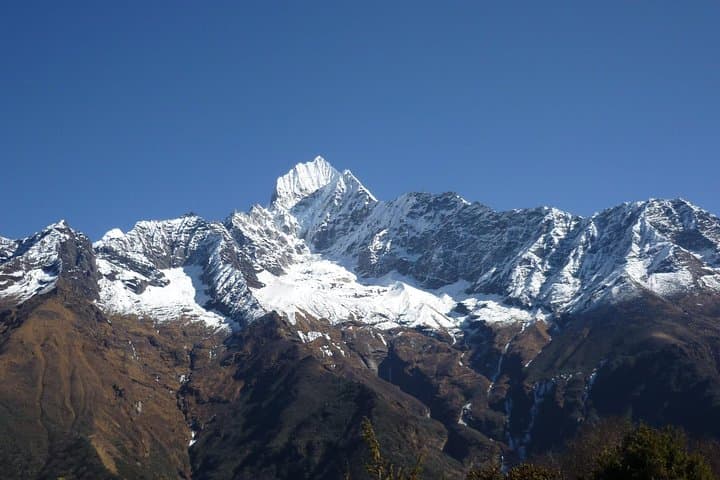
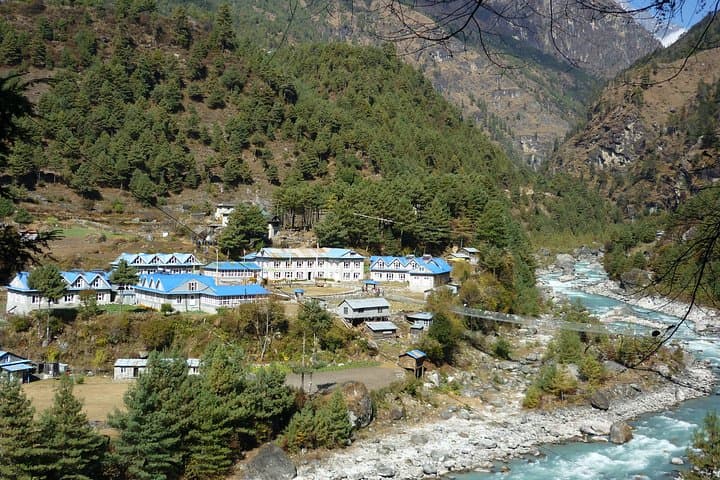
The trail smells of river-spray and yak dung as you step off the Lukla airstrip and into a highland afternoon. Prayer flags snap above tea houses; porters rest with loads balanced on bamboo poles; distant serrated ridgelines push the sky into a hard blue. The first day’s easy rhythm to Phakding eases the lungs into altitude; by the time you climb toward Namche Bazaar the Dudh Koshi river is daring you to move faster.
Verified experiences and guided adventures in the surrounding area.
Operated by Kailash Himalaya Trek - Your friend in the Himalaya · Lukla, Koshi Province
The trail smells of river-spray and yak dung as you step off the Lukla airstrip and into a highland afternoon. Prayer flags snap above tea houses; porters rest with loads balanced on bamboo poles; distant serrated ridgelines push the sky into a hard blue. The first day’s easy rhythm to Phakding eases the lungs into altitude; by the time you climb toward Namche Bazaar the Dudh Koshi river is daring you to move faster.
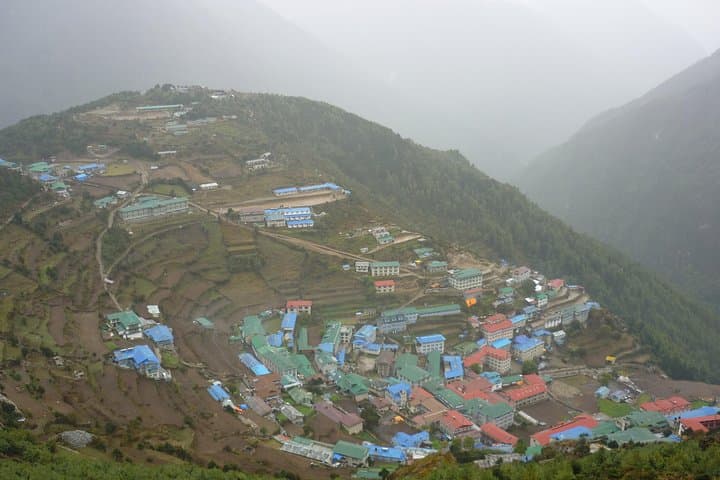
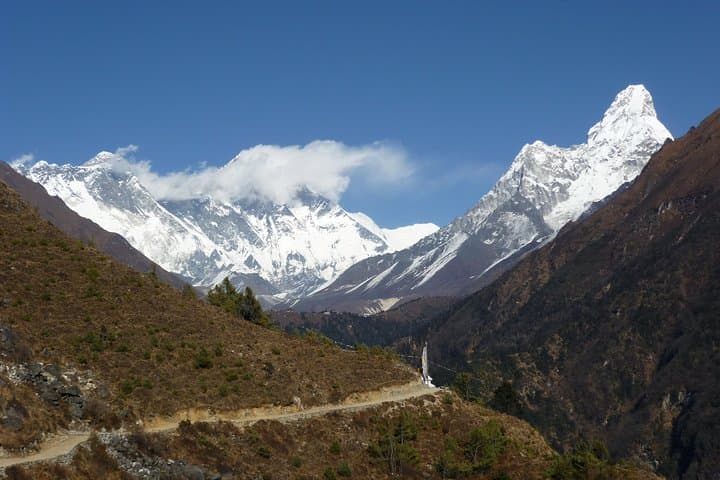
This short Everest circuit threads Sherpa villages, centuries of Tibetan-Buddhist practice and geology you can read like a layered book — uplifted schist and granite heave skyward to form the Khumbu wall. Namche is the cultural hub: markets, monasteries and a history of mountaineering and trade that shifted after the 1950s Everest expeditions. Tengboche (Thyangboche) monastery sits on a ridge where monks chant against a backdrop of glacier-polished peaks.
Expect well-marked trails, stone steps and suspension bridges, plus steady climbs that push you above 3,500 m; acclimatization days are non-negotiable. Lodges provide basic heated rooms and meals; bring cash for hot showers and snacks. Hydration and a conservative pace are the best defenses against altitude; layers and a reliable headlamp extend comfort across chilly mornings and warm afternoons.
Plan flights to and from Lukla with weather buffers, respect local customs at monasteries, and leave no trace — pack out non-biodegradable waste where possible. The trek rewards with close mountain vistas and living Sherpa culture, compact enough to feel substantial even in eight days.
challenging.
8 days.
Good cardiovascular fitness and experience with sustained uphill walking; comfortable carrying a daypack at altitude.
Physically demanding mainly because of altitude; with good fitness, a slow pace and the Namche acclimatization day, many first-timers complete it successfully.
Yes—Everest National Park and TIMS permits are required and are normally handled by the operator before the trek.
Tea houses are basic but clean: twin rooms, shared or private toilets where available, and simple cooked meals; expect limited hot water and electricity hours.
Spring and autumn offer the most stable weather and best views, while summer brings monsoon clouds and winter brings cold and potential snow on higher passes.
The Khumbu region is traditional Sherpa territory with a long history of Tibetan trade and an international profile since early Everest expeditions in the 1950s.
Everest National Park and local initiatives focus on waste management and porter welfare; trekkers should minimize single-use plastics and use registered guides to support local economies.
Kailash Himalaya Trek - Your friend in the Himalaya operates guided outdoor trips and adventures with an emphasis on safety, stewardship, and memorable experiences.
The trail smells of river-spray and yak dung as you step off the Lukla airstrip and into a highland afternoon. Prayer flags snap above tea houses; porters rest with loads balanced on bamboo poles; distant serrated ridgelines push the sky into a hard blue. The first day’s easy rhythm to Phakding eases the lungs into altitude; by the time you climb toward Namche Bazaar the Dudh Koshi river is daring you to move faster.
The trail smells of river-spray and yak dung as you step off the Lukla airstrip and into a highland afternoon. Prayer flags snap above tea houses; porters rest with loads balanced on bamboo poles; distant serrated ridgelines push the sky into a hard blue. The first day’s easy rhythm to Phakding eases the lungs into altitude; by the time you climb toward Namche Bazaar the Dudh Koshi river is daring you to move faster.
This short Everest circuit threads Sherpa villages, centuries of Tibetan-Buddhist practice and geology you can read like a layered book — uplifted schist and granite heave skyward to form the Khumbu wall. Namche is the cultural hub: markets, monasteries and a history of mountaineering and trade that shifted after the 1950s Everest expeditions. Tengboche (Thyangboche) monastery sits on a ridge where monks chant against a backdrop of glacier-polished peaks.
Expect well-marked trails, stone steps and suspension bridges, plus steady climbs that push you above 3,500 m; acclimatization days are non-negotiable. Lodges provide basic heated rooms and meals; bring cash for hot showers and snacks. Hydration and a conservative pace are the best defenses against altitude; layers and a reliable headlamp extend comfort across chilly mornings and warm afternoons.
Plan flights to and from Lukla with weather buffers, respect local customs at monasteries, and leave no trace — pack out non-biodegradable waste where possible. The trek rewards with close mountain vistas and living Sherpa culture, compact enough to feel substantial even in eight days.