THE ADVENTURE COLLECTIVE® · Independent discovery and booking for outdoor travel

An eight-day route that pairs Asmara’s striking Italian-era architecture with the ancient ruins of Qohaito and the turquoise reefs of the Dahlak Archipelago. Expect cultural sites, market stops, and full-day boat excursions into Red Sea waters.
An eight-day route that pairs Asmara’s striking Italian-era architecture with the ancient ruins of Qohaito and the turquoise reefs of the Dahlak Archipelago. Expect cultural sites, market stops, and full-day boat excursions into Red Sea waters.
You arrive in Asmara as the light softens over flat-topped roofs and long, clean boulevards — a city where Italian Rationalist facades sit like stage sets against highland air. The guide meets you, luggage settles, and the first hours are spent reading the city in bricks and concrete: cinemas, government blocks, and a cathedral that mark Eritrea’s layered past.
Verified experiences and guided adventures in the surrounding area.
Operated by Eritrea Visit · Asmara, Maekel
You arrive in Asmara as the light softens over flat-topped roofs and long, clean boulevards — a city where Italian Rationalist facades sit like stage sets against highland air. The guide meets you, luggage settles, and the first hours are spent reading the city in bricks and concrete: cinemas, government blocks, and a cathedral that mark Eritrea’s layered past.
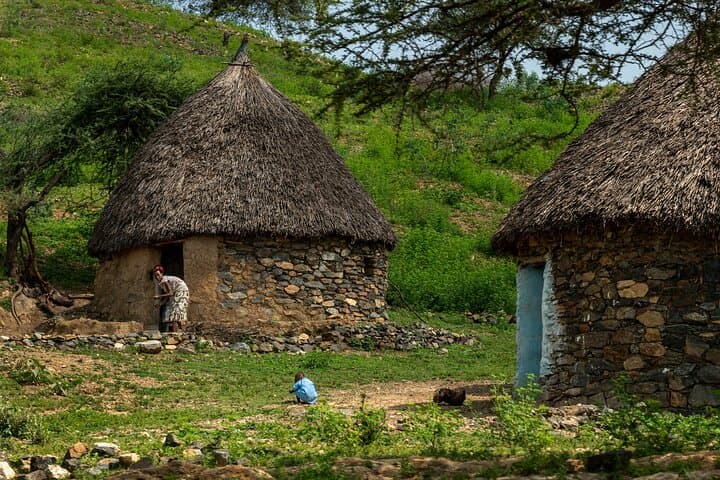
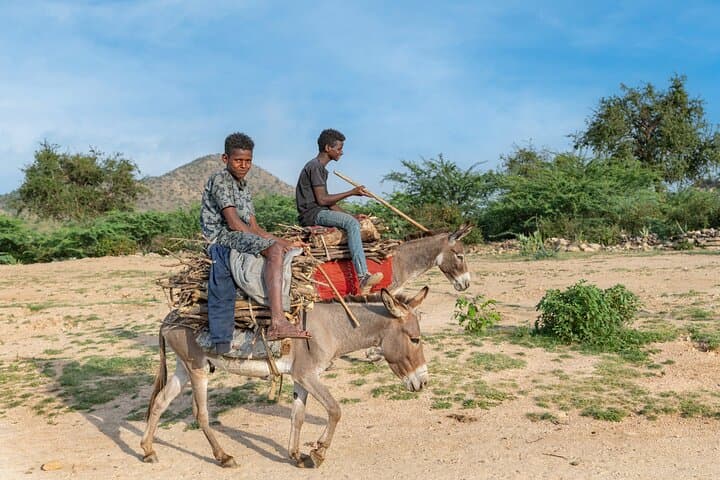
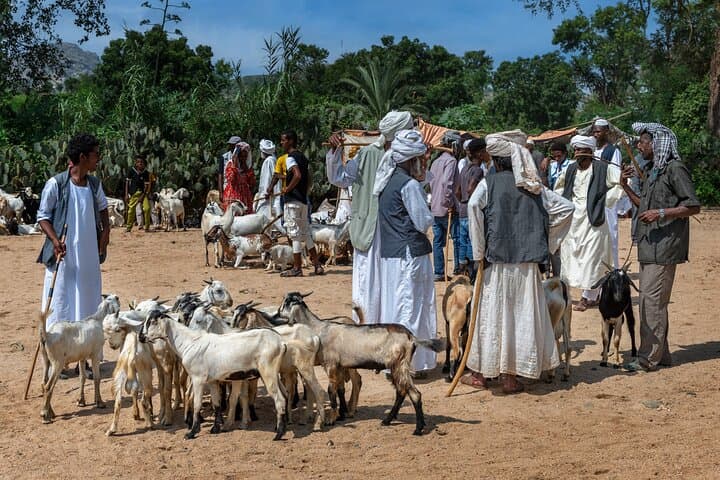
From Asmara the trip loosens into older stories. At Qohaito you walk among stone foundations that have seen caravan traffic since the 1st millennium BC; wind and time have given the ruins a slow, deliberate voice. Keren’s markets and war cemeteries put colonial and wartime history in human scale, while Halibmentel and Decemhare reveal village life and trading routes that connected highlands to coast.
Massawa’s coral-stone alleys smell of salt and spices; the Red Sea waits beyond with reefs that demand attention. The Dahlak Archipelago is salt-bright and direct — islands that invite snorkeling, boat exploration, and encounters with reef fish and sea turtles. The water pulls at you, not gently but with intent.
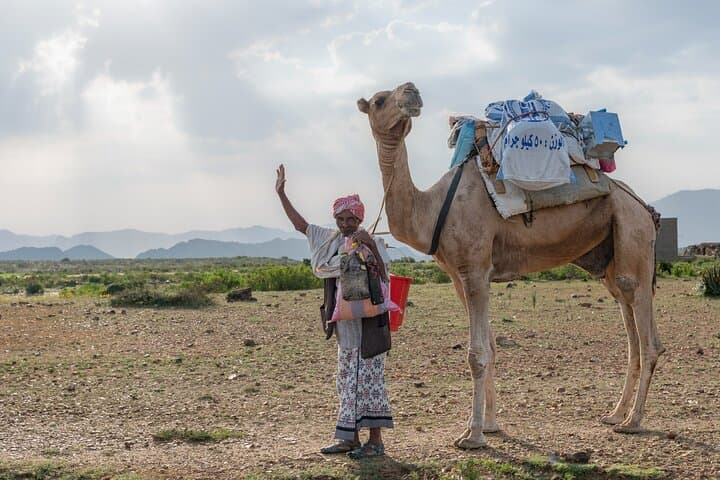
Practical guidance: pack sun protection and a daypack for uneven archaeological sites; cash and small bills are necessary outside Asmara; plan boat days early to avoid afternoon winds and carry reef-safe sunscreen. Expect mostly easy walking with intermittent rough terrain; stagger your itinerary to include rest after long drives. This is a journey balanced between cultural study and marine adventure — bring curiosity, respect local customs, and allow the coast to change your pace.
moderate.
8 days.
Suitable for travelers who can manage several hours of walking on uneven terrain and tolerate long vehicle transfers; basic stamina for full-day boat outings is helpful.
Most travelers require a visa; check Eritrean consulate requirements before travel and secure any necessary visas in advance.
Yes—local operators run snorkeling and day trips suitable for non-experts, but sea conditions vary; choose morning departures and tell guides your experience level.
Asmara has the best banking infrastructure; outside major towns, cash (Eritrean nakfa) is often required—carry sufficient cash for local purchases.
Tap water quality varies; use bottled or treated water for drinking and refill reusable bottles where safe to reduce plastic waste.
Asmara’s urban core preserves a strong Italian Rationalist architectural footprint from the colonial period, while Qohaito holds ruins dating to the 1st millennium BC linked to pre-Aksumite trade routes.
The Dahlak reefs are sensitive; use reef-safe sunscreen, avoid touching coral, and support local operators who follow sustainable fishing and waste practices.
Eritrea Visit operates guided outdoor trips and adventures with an emphasis on safety, stewardship, and memorable experiences.
You arrive in Asmara as the light softens over flat-topped roofs and long, clean boulevards — a city where Italian Rationalist facades sit like stage sets against highland air. The guide meets you, luggage settles, and the first hours are spent reading the city in bricks and concrete: cinemas, government blocks, and a cathedral that mark Eritrea’s layered past.
You arrive in Asmara as the light softens over flat-topped roofs and long, clean boulevards — a city where Italian Rationalist facades sit like stage sets against highland air. The guide meets you, luggage settles, and the first hours are spent reading the city in bricks and concrete: cinemas, government blocks, and a cathedral that mark Eritrea’s layered past.
From Asmara the trip loosens into older stories. At Qohaito you walk among stone foundations that have seen caravan traffic since the 1st millennium BC; wind and time have given the ruins a slow, deliberate voice. Keren’s markets and war cemeteries put colonial and wartime history in human scale, while Halibmentel and Decemhare reveal village life and trading routes that connected highlands to coast.
Massawa’s coral-stone alleys smell of salt and spices; the Red Sea waits beyond with reefs that demand attention. The Dahlak Archipelago is salt-bright and direct — islands that invite snorkeling, boat exploration, and encounters with reef fish and sea turtles. The water pulls at you, not gently but with intent.
Practical guidance: pack sun protection and a daypack for uneven archaeological sites; cash and small bills are necessary outside Asmara; plan boat days early to avoid afternoon winds and carry reef-safe sunscreen. Expect mostly easy walking with intermittent rough terrain; stagger your itinerary to include rest after long drives. This is a journey balanced between cultural study and marine adventure — bring curiosity, respect local customs, and allow the coast to change your pace.