THE ADVENTURE COLLECTIVE® · Independent discovery and booking for outdoor travel

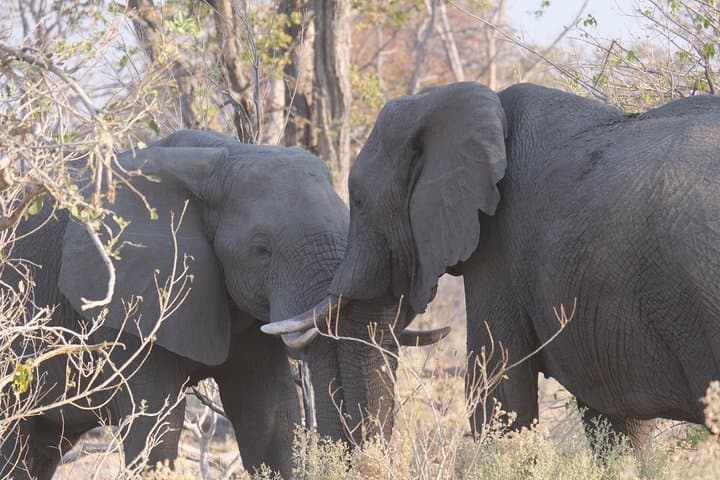
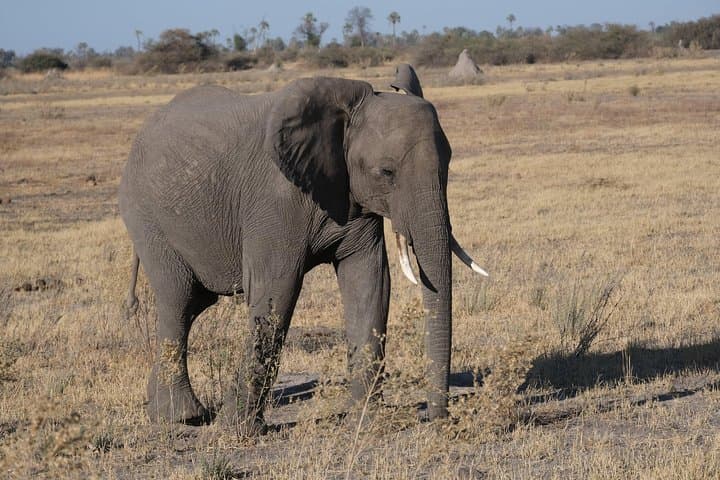
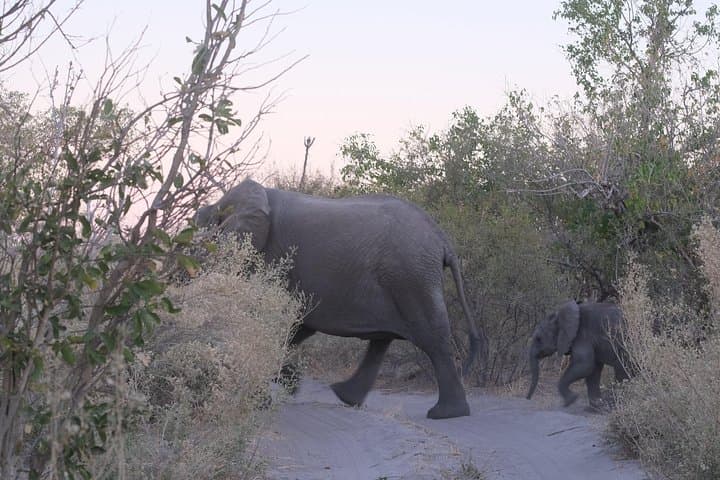
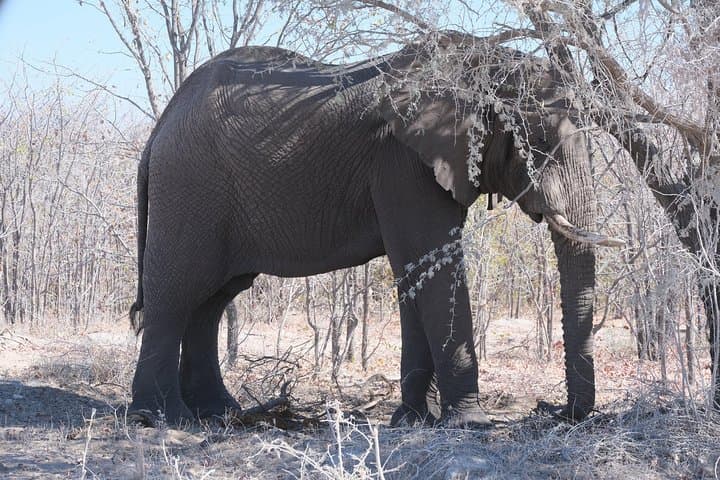
Follow elephant tracks across Moremi, Khwai, Savuti and Chobe on an immersive 8-day walking safari. Expect mobile camping, early morning walks, expert guides and concentrated wildlife viewing during the dry season.
Follow elephant tracks across Moremi, Khwai, Savuti and Chobe on an immersive 8-day walking safari. Expect mobile camping, early morning walks, expert guides and concentrated wildlife viewing during the dry season.
Dawn spreads thin gold across floodplain grass as your group files out of a mobile camp, boots sinking into damp soil while distant elephant calls roll like low thunder. You move quietly with a guide who reads the land—the crushed reeds, the fresh dung, the toe impressions that point the way to a matriarch and her guardians.
Verified experiences and guided adventures in the surrounding area.
Operated by Action Safari · Maun, North-West District
Dawn spreads thin gold across floodplain grass as your group files out of a mobile camp, boots sinking into damp soil while distant elephant calls roll like low thunder. You move quietly with a guide who reads the land—the crushed reeds, the fresh dung, the toe impressions that point the way to a matriarch and her guardians.
This route threads Moremi, Khwai, Savuti and Linyanti before skirting Chobe—regions carved by seasonal floods and ancient river channels that feed the Okavango Delta. Geology here is subtle: broad alluvial fans, sandy ridges and permanent lagoons that attract both elephant corridors and concentrations of migratory birds. Culturally the area is a meeting point of Tswana and San histories; local camps often work with communities on guiding and conservation.
On foot you learn tracking basics and low-impact viewing protocols: follow tracks, read feeding signs, give animals space, and leave no trace. Nights are spent in mobile camping under open sky, with simple meals, briefing fires and early alarms to catch golden-hour light.
Practical guidance: plan around the dry season (May–Oct) for the highest concentration of elephants and easier walking; carry 3 liters of water, sun protection, and layered clothing for chilly mornings and hot afternoons. Fitness needs are moderate—expect repeated 2–4 hour morning walks on uneven ground. Respect ranger and guide instructions at all times; elephants are large, intelligent animals that demand caution and distance. With preparation, this is a rare chance to follow the tracks of old bulls and matriarchs and witness how the delta’s pulse shapes life on the land.
moderate.
8 days.
Suitable for travelers in good general health who can walk 2–4 hours over uneven ground with intermittent breaks.
Walks are moderate: expect 2–4 hour morning walks on sandy, sometimes uneven ground with vehicle transfers between camps.
The dry season (May–Oct) is best for concentrated elephant sightings and easier walking; the wet season offers lush scenery and bird diversity.
Mobile camping with basic tents and shared facilities; meals are camp-style and included as outlined in the itinerary.
No wildlife can be guaranteed, but experienced guides use tracking skills and local knowledge to maximize encounters with elephants and other species.
These floodplains have supported hunter-gatherer San groups and later Tswana communities; traditional tracking knowledge informs modern guiding techniques.
Operators often work with local communities and park authorities to minimize impact—stick to trails, avoid single-use plastics, and support community-led initiatives.
Action Safari operates guided outdoor trips and adventures with an emphasis on safety, stewardship, and memorable experiences.
Dawn spreads thin gold across floodplain grass as your group files out of a mobile camp, boots sinking into damp soil while distant elephant calls roll like low thunder. You move quietly with a guide who reads the land—the crushed reeds, the fresh dung, the toe impressions that point the way to a matriarch and her guardians.
Dawn spreads thin gold across floodplain grass as your group files out of a mobile camp, boots sinking into damp soil while distant elephant calls roll like low thunder. You move quietly with a guide who reads the land—the crushed reeds, the fresh dung, the toe impressions that point the way to a matriarch and her guardians.
This route threads Moremi, Khwai, Savuti and Linyanti before skirting Chobe—regions carved by seasonal floods and ancient river channels that feed the Okavango Delta. Geology here is subtle: broad alluvial fans, sandy ridges and permanent lagoons that attract both elephant corridors and concentrations of migratory birds. Culturally the area is a meeting point of Tswana and San histories; local camps often work with communities on guiding and conservation.
On foot you learn tracking basics and low-impact viewing protocols: follow tracks, read feeding signs, give animals space, and leave no trace. Nights are spent in mobile camping under open sky, with simple meals, briefing fires and early alarms to catch golden-hour light.
Practical guidance: plan around the dry season (May–Oct) for the highest concentration of elephants and easier walking; carry 3 liters of water, sun protection, and layered clothing for chilly mornings and hot afternoons. Fitness needs are moderate—expect repeated 2–4 hour morning walks on uneven ground. Respect ranger and guide instructions at all times; elephants are large, intelligent animals that demand caution and distance. With preparation, this is a rare chance to follow the tracks of old bulls and matriarchs and witness how the delta’s pulse shapes life on the land.