THE ADVENTURE COLLECTIVE® · Independent discovery and booking for outdoor travel

Eight days moves from Cairo’s pyramids to Abu Simbel’s rock-cut temples and the coral of the Red Sea. This private multi-city tour combines major archaeological sites with practical logistics—flights, transfers, and hotel nights—so you can see Egypt’s highlights without planning each step.
Eight days moves from Cairo’s pyramids to Abu Simbel’s rock-cut temples and the coral of the Red Sea. This private multi-city tour combines major archaeological sites with practical logistics—flights, transfers, and hotel nights—so you can see Egypt’s highlights without planning each step.
You step from Cairo International into a sun-warmed city where traffic hums and the silhouette of the Giza plateau waits on the horizon.
Verified experiences and guided adventures in the surrounding area.
Operated by Bastet Travel · Cairo, Cairo Governorate
You step from Cairo International into a sun-warmed city where traffic hums and the silhouette of the Giza plateau waits on the horizon.
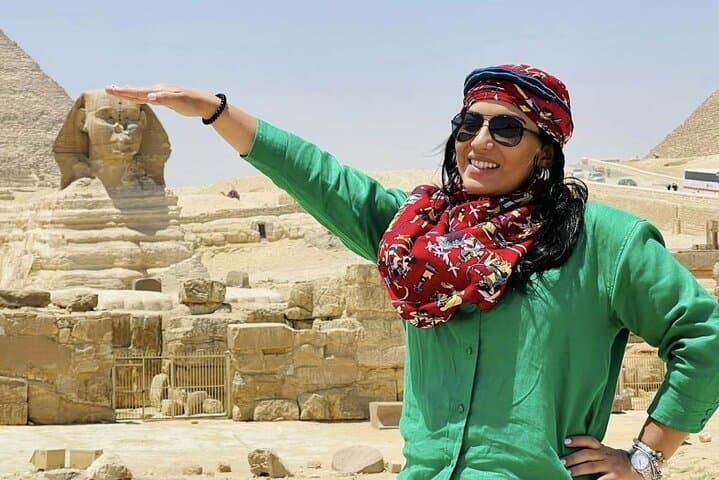
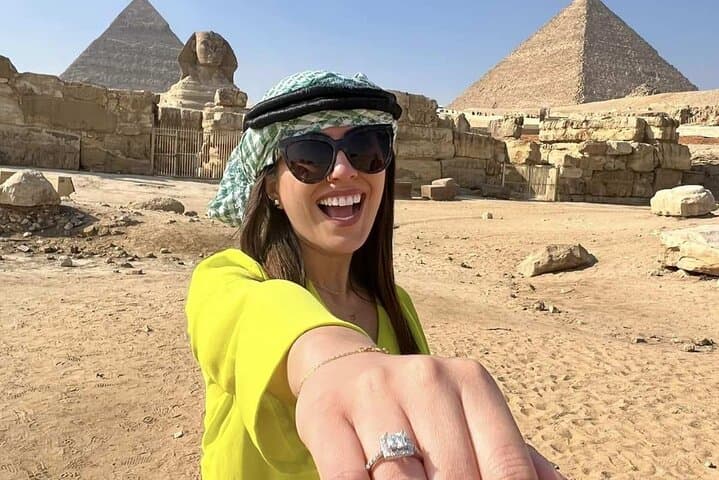
Over eight days the itinerary pushes and pulls like the Nile—ancient stone daring you to walk its banks, temples carved from living rock that refuse to be silent. Start with the Pyramids and the Great Sphinx, then move north to Alexandria’s Roman catacombs and the modern Library before flying south to Aswan’s granite quarries and the colossal twins at Abu Simbel.
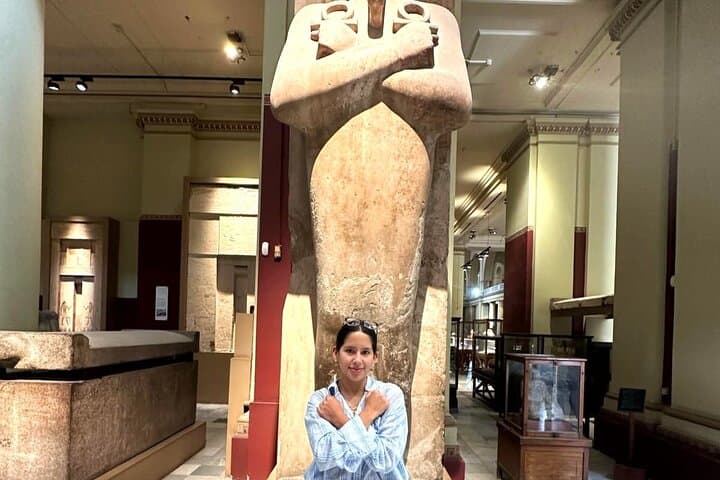
Geology shows in the granite blocks of Aswan and the limestone of the western desert; these materials shaped pharaonic architecture and the placement of tombs in the Valley of the Kings. Culture is immediate: streetside tea, the call to prayer, and guides who read hieroglyphs into stories. Luxor’s Karnak temple sprawls like a city of columns; a felucca on the Nile offers a late-afternoon quiet that resets the day.
Practical guidance: expect lots of short drives and domestic flights included in the package; pack for heat and sun, and plan museum visits early to avoid crowds and midday temperatures. Wear sturdy walking shoes for uneven temple stones, modest clothing at religious sites, and reef-safe sunscreen if you take the optional Red Sea snorkel trips. Stay hydrated—water is essential—and bring a compact daypack for cameras, water, and a scarf for sudden dust or temple etiquette.
This tour balances archeological depth with easy logistics, offering high-impact sites in a compact schedule—best for travelers who want a sweeping, manageable introduction to pharaonic Egypt and the Red Sea.
easy.
8 days.
Light to moderate—suitable for travelers comfortable with walking on uneven ground and short flights between cities
Yes—internal flights (Cairo–Aswan–Hurghada–Cairo) are included as stated in the itinerary.
The tour is listed as physically easy and family-accessible, but some long days and temple stairs may be tiring for very young children.
Many nationalities require a visa; check current entry rules and obtain a visa in advance or on arrival where available.
Yes—optional snorkeling trips to Dolphin House or Giftun Island are offered; bring reef-safe sunscreen and a towel.
This route traces Egypt’s pharaonic heartlands—Giza, Luxor and Abu Simbel—sites built from local limestone and Aswan granite by successive dynasties to honor gods and kings.
Tourists should minimize impact on fragile sites and reefs—follow guide instructions, don’t climb on monuments, and use reef-safe products to protect coral.
Bastet Travel operates guided outdoor trips and adventures with an emphasis on safety, stewardship, and memorable experiences.
You step from Cairo International into a sun-warmed city where traffic hums and the silhouette of the Giza plateau waits on the horizon.
You step from Cairo International into a sun-warmed city where traffic hums and the silhouette of the Giza plateau waits on the horizon.
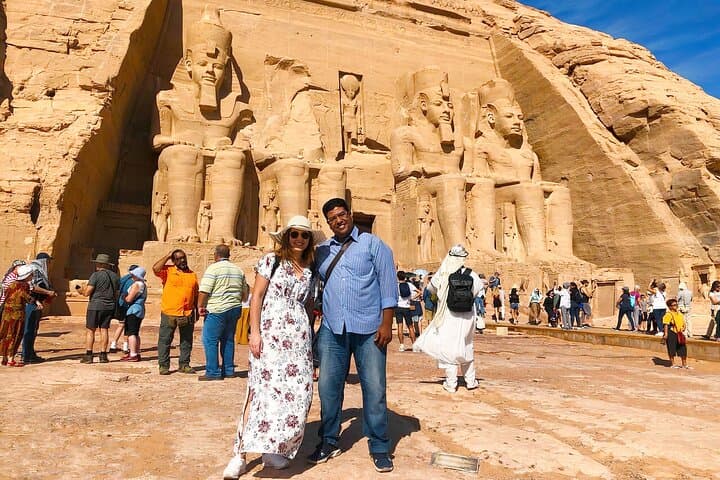
Over eight days the itinerary pushes and pulls like the Nile—ancient stone daring you to walk its banks, temples carved from living rock that refuse to be silent. Start with the Pyramids and the Great Sphinx, then move north to Alexandria’s Roman catacombs and the modern Library before flying south to Aswan’s granite quarries and the colossal twins at Abu Simbel.
Geology shows in the granite blocks of Aswan and the limestone of the western desert; these materials shaped pharaonic architecture and the placement of tombs in the Valley of the Kings. Culture is immediate: streetside tea, the call to prayer, and guides who read hieroglyphs into stories. Luxor’s Karnak temple sprawls like a city of columns; a felucca on the Nile offers a late-afternoon quiet that resets the day.
Practical guidance: expect lots of short drives and domestic flights included in the package; pack for heat and sun, and plan museum visits early to avoid crowds and midday temperatures. Wear sturdy walking shoes for uneven temple stones, modest clothing at religious sites, and reef-safe sunscreen if you take the optional Red Sea snorkel trips. Stay hydrated—water is essential—and bring a compact daypack for cameras, water, and a scarf for sudden dust or temple etiquette.
This tour balances archeological depth with easy logistics, offering high-impact sites in a compact schedule—best for travelers who want a sweeping, manageable introduction to pharaonic Egypt and the Red Sea.