THE ADVENTURE COLLECTIVE® · Independent discovery and booking for outdoor travel

An eight-day private guided circuit through Egypt’s highlights—Cairo, Luxor, Aswan and Abu Simbel—mixes Nile cruising with temple visits and museum stops. Practical pacing, early starts and sun-smart planning make this an efficient cultural route for first-time and repeat visitors alike.
An eight-day private guided circuit through Egypt’s highlights—Cairo, Luxor, Aswan and Abu Simbel—mixes Nile cruising with temple visits and museum stops. Practical pacing, early starts and sun-smart planning make this an efficient cultural route for first-time and repeat visitors alike.
Morning light slices across the River Nile as a small group steps from a docked felucca onto the stone quay — the air warm, dust and river scent braided together. Over eight days this private guided itinerary threads Cairo’s frenetic streets with Luxor’s sprawling temples and Aswan’s island shrines, punctuated by a multi-night Nile cruise and a flight to Abu Simbel.
Verified experiences and guided adventures in the surrounding area.
Operated by Bob Marley Tours & Operator Egypt · Cairo, Cairo Governorate
Morning light slices across the River Nile as a small group steps from a docked felucca onto the stone quay — the air warm, dust and river scent braided together. Over eight days this private guided itinerary threads Cairo’s frenetic streets with Luxor’s sprawling temples and Aswan’s island shrines, punctuated by a multi-night Nile cruise and a flight to Abu Simbel.
The route follows Egypt’s ancient spine: Cairo’s pharaonic and Greco-Roman collections, the Giza plateau’s pyramids, then south to Thebes where Karnak’s avenue of ram-headed sphinxes and the Valley of the Kings’ painted tombs reveal millennia of statecraft. Geologically the Nile valley is a narrow fertile ribbon carved through desert escarpments; temples sit on bedrock or alluvial terraces, while the cruise covers roughly 200–250 km of river between Luxor and Aswan, with generally flat terrain and short stair climbs at sites.
Culturally, expect layered histories — Pharaonic, Coptic, Islamic — and living markets where bargaining and hospitality shape every exchange. Local insights: early mornings are best for photography and cooler touring, and many monuments require modest dress and respectful behavior inside sacred spaces.
Practically: plan for 3–6 miles (5–10 km) walking most days over uneven stone and sand, minimal elevation gain, and long travel segments by plane, train, or coach. Hydration, sun protection, comfortable walking shoes, and a lightweight daypack improve comfort. Budget time for museum lines and tipping; the tour’s pacing balances high-density archaeological days with restful river crossings where the Nile carries you between eras.
moderate.
8 days.
Expect multiple days of walking 3–6 miles (5–10 km) over uneven archaeological stone and sandy surfaces; good stamina for multi-day travel and heat is recommended.
Most days involve flat walking with some stairs; plan for 3–6 miles (5–10 km) per day and a few longer transit days by coach or plane.
Typical packages include guided visits to major sites listed in the itinerary, but check the booking page for specific admissions and any optional excursions.
October–April offers milder temperatures and more comfortable touring; summers are very hot, especially in Upper Egypt.
Many nationalities require a visa to enter Egypt—check your government’s travel advice and the Egyptian consulate for current rules and e-visa options.
The itinerary traces pharaonic capital sites of Upper Egypt and access points to Nubian culture at Aswan and Abu Simbel, reflecting millennia of regional power shifts.
High visitor numbers and desert erosion place pressure on fragile stonework; use marked paths, avoid touching carvings, and support local guides who follow site-preservation practices.
Bob Marley Tours & Operator Egypt operates guided outdoor trips and adventures with an emphasis on safety, stewardship, and memorable experiences.


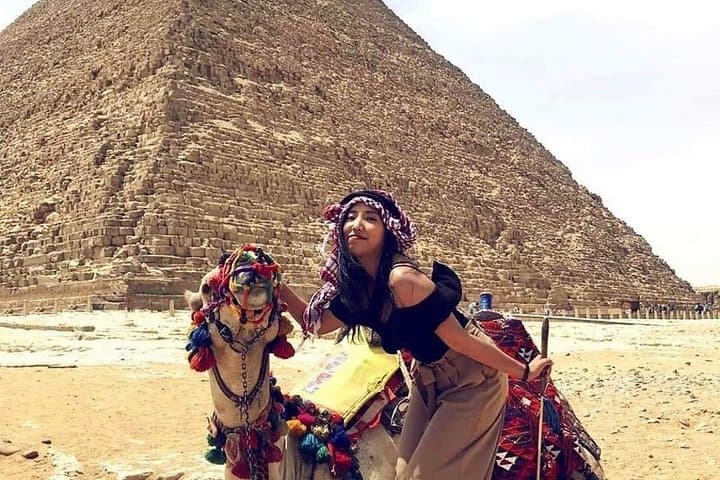
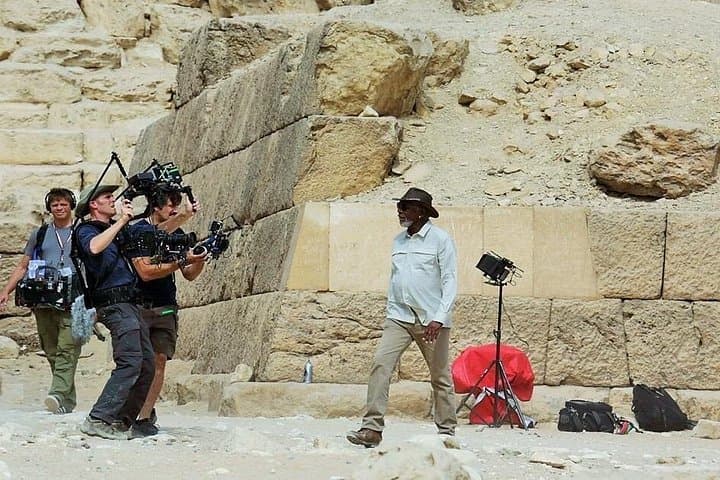
Morning light slices across the River Nile as a small group steps from a docked felucca onto the stone quay — the air warm, dust and river scent braided together. Over eight days this private guided itinerary threads Cairo’s frenetic streets with Luxor’s sprawling temples and Aswan’s island shrines, punctuated by a multi-night Nile cruise and a flight to Abu Simbel.
Morning light slices across the River Nile as a small group steps from a docked felucca onto the stone quay — the air warm, dust and river scent braided together. Over eight days this private guided itinerary threads Cairo’s frenetic streets with Luxor’s sprawling temples and Aswan’s island shrines, punctuated by a multi-night Nile cruise and a flight to Abu Simbel.
The route follows Egypt’s ancient spine: Cairo’s pharaonic and Greco-Roman collections, the Giza plateau’s pyramids, then south to Thebes where Karnak’s avenue of ram-headed sphinxes and the Valley of the Kings’ painted tombs reveal millennia of statecraft. Geologically the Nile valley is a narrow fertile ribbon carved through desert escarpments; temples sit on bedrock or alluvial terraces, while the cruise covers roughly 200–250 km of river between Luxor and Aswan, with generally flat terrain and short stair climbs at sites.
Culturally, expect layered histories — Pharaonic, Coptic, Islamic — and living markets where bargaining and hospitality shape every exchange. Local insights: early mornings are best for photography and cooler touring, and many monuments require modest dress and respectful behavior inside sacred spaces.
Practically: plan for 3–6 miles (5–10 km) walking most days over uneven stone and sand, minimal elevation gain, and long travel segments by plane, train, or coach. Hydration, sun protection, comfortable walking shoes, and a lightweight daypack improve comfort. Budget time for museum lines and tipping; the tour’s pacing balances high-density archaeological days with restful river crossings where the Nile carries you between eras.