THE ADVENTURE COLLECTIVE® · Independent discovery and booking for outdoor travel

An eight-day loop from Cairo to Luxor that marries Egypt’s indispensable sights with slow travel on the Nile — sleeper train transfers, a five-star cruise, and visits to Abu Simbel, Karnak and the Valley of the Kings. Practical tips for heat, transport and temple etiquette included.
An eight-day loop from Cairo to Luxor that marries Egypt’s indispensable sights with slow travel on the Nile — sleeper train transfers, a five-star cruise, and visits to Abu Simbel, Karnak and the Valley of the Kings. Practical tips for heat, transport and temple etiquette included.
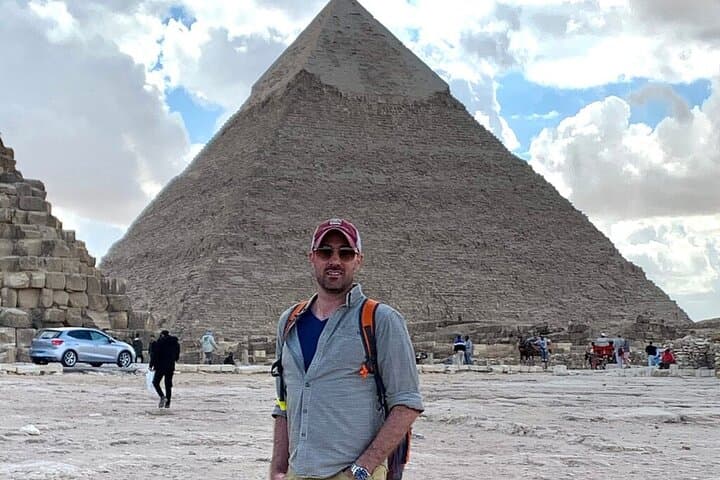
You step out of the airport into Cairo’s dry night and the city breathes around you — streetlamps, honking taxis, and in the distance the pyramids cutting the horizon like stones pinned by history.
Verified experiences and guided adventures in the surrounding area.
Operated by Egypt Best Holidays · Cairo, Cairo Governorate
You step out of the airport into Cairo’s dry night and the city breathes around you — streetlamps, honking taxis, and in the distance the pyramids cutting the horizon like stones pinned by history.
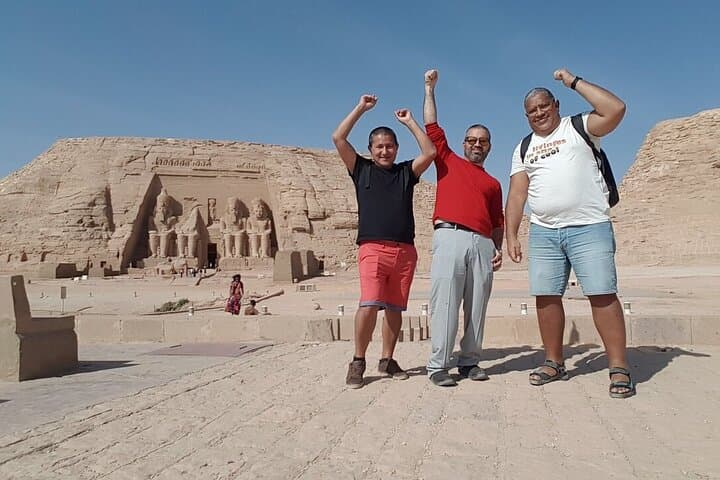
This eight-day loop threads modern Cairo with the Nile’s slow cartography: Giza’s triangular giants, Saqqara’s stepped monument, the bustling bazaars of Islamic and Coptic districts, then the sleeper train’s rattle south toward Aswan. Geology and engineering meet on the river — the High Dam reshaped the Nile’s flow while ancient builders set temples in stone that catch the sun in precise alignments. At Abu Simbel you feel human planning across millennia; the temple was literally moved in the 1960s to save it from the rising reservoir.
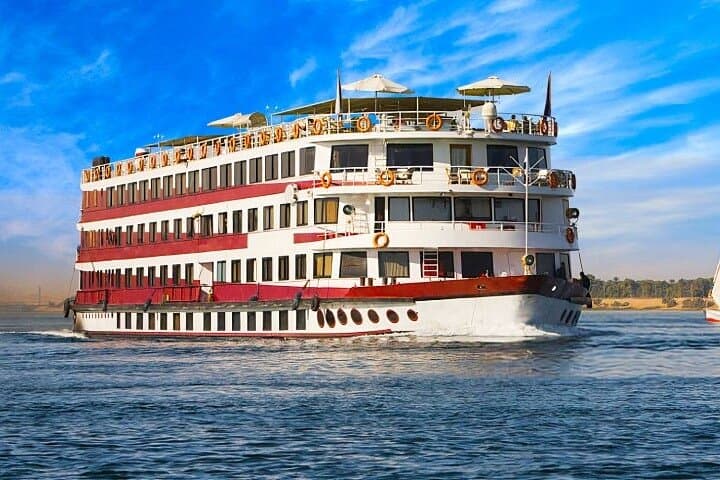
Culture here is tactile: markets insist on bargaining, local guides narrate pharaonic rhythms, and the Nile offers both transport and perspective as you glide past reed-lined shores on a five-star cruise.
Practical guidance: nights on the sleeper train provide private cabins with dinner and breakfast — carry a photocopy of your passport and a small flashlight. Temperatures vary sharply; pack light breathable layers and sturdy shoes for uneven temple stone. Hydrate constantly and carry local cash for tips and entrance fees; dress respectfully at religious sites (shoulders and knees covered). Plan early starts to avoid midday heat at open-air sites and leave room for slow moments on deck to watch the river push you forward.
moderate.
8 days.
Basic to moderate fitness — able to handle walking on uneven surfaces, stairs in temples and multi-hour touring days.
Most visitors require a visa; many nationalities can obtain an e-Visa in advance or a visa on arrival — check current Egyptian government guidance before travel.
Sleeper trains include private cabins with beds and basic bedding; meals are provided on the overnight segments but expect simple facilities compared with hotels.
Yes — the itinerary includes three nights on a five-star Nile cruise with private cabins and meals as described in the inclusions.
The tour involves uneven temple surfaces, stairs and boat transfers; while some parts are wheelchair accessible, several sites require walking and may be challenging for those with limited mobility.
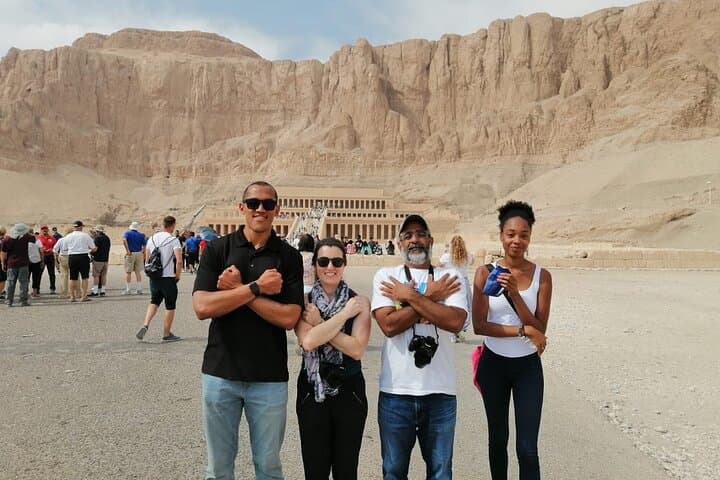
This route traces Egypt’s pharaonic core — monuments built over 3,000 years ago — and later modern interventions like the Aswan High Dam reshaped the river and landscape.
Rising tourism and water management affect Nile ecosystems and archaeological sites; follow local guidance, avoid litter, and use refillable water bottles to reduce waste.
Egypt Best Holidays operates guided outdoor trips and adventures with an emphasis on safety, stewardship, and memorable experiences.
You step out of the airport into Cairo’s dry night and the city breathes around you — streetlamps, honking taxis, and in the distance the pyramids cutting the horizon like stones pinned by history.
You step out of the airport into Cairo’s dry night and the city breathes around you — streetlamps, honking taxis, and in the distance the pyramids cutting the horizon like stones pinned by history.
This eight-day loop threads modern Cairo with the Nile’s slow cartography: Giza’s triangular giants, Saqqara’s stepped monument, the bustling bazaars of Islamic and Coptic districts, then the sleeper train’s rattle south toward Aswan. Geology and engineering meet on the river — the High Dam reshaped the Nile’s flow while ancient builders set temples in stone that catch the sun in precise alignments. At Abu Simbel you feel human planning across millennia; the temple was literally moved in the 1960s to save it from the rising reservoir.
Culture here is tactile: markets insist on bargaining, local guides narrate pharaonic rhythms, and the Nile offers both transport and perspective as you glide past reed-lined shores on a five-star cruise.
Practical guidance: nights on the sleeper train provide private cabins with dinner and breakfast — carry a photocopy of your passport and a small flashlight. Temperatures vary sharply; pack light breathable layers and sturdy shoes for uneven temple stone. Hydrate constantly and carry local cash for tips and entrance fees; dress respectfully at religious sites (shoulders and knees covered). Plan early starts to avoid midday heat at open-air sites and leave room for slow moments on deck to watch the river push you forward.