THE ADVENTURE COLLECTIVE® · Independent discovery and booking for outdoor travel

See Egypt’s highlights in a fast-paced eight-day loop: Giza’s pyramids, Alexandria’s classical ruins, and a three-night Nile cruise from Aswan to Luxor. Ideal for travelers who want concentrated history with streamlined logistics.
See Egypt’s highlights in a fast-paced eight-day loop: Giza’s pyramids, Alexandria’s classical ruins, and a three-night Nile cruise from Aswan to Luxor. Ideal for travelers who want concentrated history with streamlined logistics.
Morning light in Cairo cuts across a city of stone and river — taxi horns braid with the Nile’s slow current as you step from a five-star lobby into a world 5,000 years old.
Verified experiences and guided adventures in the surrounding area.
Operated by Bastet Travel · Cairo, Cairo Governorate
Morning light in Cairo cuts across a city of stone and river — taxi horns braid with the Nile’s slow current as you step from a five-star lobby into a world 5,000 years old.
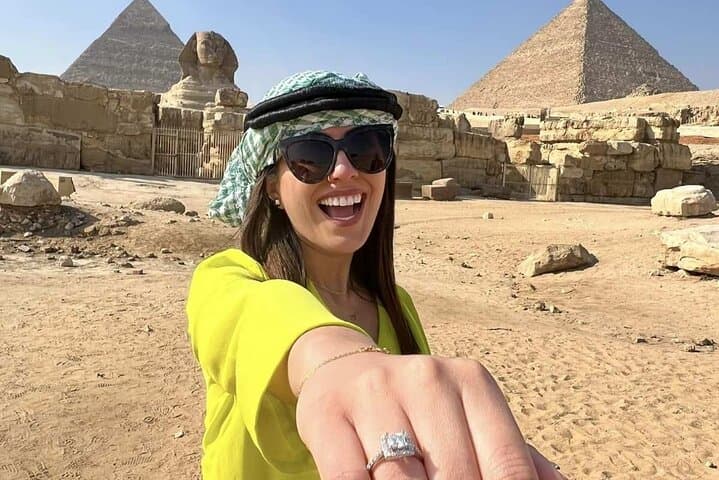
Over eight days this itinerary stitches modern convenience to ancient infrastructure: Giza’s Great Pyramid, the stepped tombs at Saqqara, the Greco-Roman layers of Alexandria, and three nights aboard a Nile cruise that pushes south from Aswan to Luxor. Geology here is simple and decisive — the Nile carved a fertile ribbon through desert bedrock, concentrating human settlement and monumental stonework on its banks. Culture is equally layered: Pharaonic tombs sit under Coptic churches and Ottoman-era fortresses.
Expect guided walks across hot, exposed sites, short museum stops, and periods of gentle motion aboard a cruise ship where the river seems to dare you to slow down. Highlights include the High Dam and Philae Temple in Aswan, Kom Ombo’s twin gods, the Ptolemaic temple at Edfu, and Luxor’s Valley of the Kings and Karnak’s columned avenues.
Practically: plan for early starts to avoid midday heat, carry water and sun protection, and wear sturdy shoes for uneven stone and temple steps. Many entrances are included, and internal flights and a sleeper train simplify logistics, but carry local cash for tips and small purchases. Respect conservative dress at religious sites and expect occasional crowds at marquee monuments. With routine stamina and sensible planning, an eight-day loop from Cairo to Luxor delivers a concentrated, transportive survey of Egypt’s living past.
easy.
8 days.
Low to moderate — travelers should be comfortable walking 1–3 miles per day on uneven ground and climbing steps.
The program lists entrance fees to the mentioned sights as included for most stops, but check the itinerary for optional excursions like Abu Simbel, which may be excluded.
The tour is classified as suitable for most fitness levels; you’ll do moderate walking on uneven surfaces and climb steps, but there are no technical demands.
Egyptian pounds (EGP) are useful for tips, markets, and local purchases; major cards work in big hotels and restaurants but carry cash for small vendors.
Nile cruises are generally stable, but if you’re sensitive to motion, bring remedies; cabins are larger and more stable than small boats, and daytime excursions break up travel time.
The Nile Valley concentrated agricultural surplus that allowed Pharaonic states to build monumental tombs and temples; sites along this route span Pharaonic, Greco-Roman and Islamic eras.
Heavy visitation strains fragile sites — follow marked paths, avoid touching carvings, and support local guides and conservation fees where levied to help preserve monuments.
Bastet Travel operates guided outdoor trips and adventures with an emphasis on safety, stewardship, and memorable experiences.

Morning light in Cairo cuts across a city of stone and river — taxi horns braid with the Nile’s slow current as you step from a five-star lobby into a world 5,000 years old.
Morning light in Cairo cuts across a city of stone and river — taxi horns braid with the Nile’s slow current as you step from a five-star lobby into a world 5,000 years old.
Over eight days this itinerary stitches modern convenience to ancient infrastructure: Giza’s Great Pyramid, the stepped tombs at Saqqara, the Greco-Roman layers of Alexandria, and three nights aboard a Nile cruise that pushes south from Aswan to Luxor. Geology here is simple and decisive — the Nile carved a fertile ribbon through desert bedrock, concentrating human settlement and monumental stonework on its banks. Culture is equally layered: Pharaonic tombs sit under Coptic churches and Ottoman-era fortresses.
Expect guided walks across hot, exposed sites, short museum stops, and periods of gentle motion aboard a cruise ship where the river seems to dare you to slow down. Highlights include the High Dam and Philae Temple in Aswan, Kom Ombo’s twin gods, the Ptolemaic temple at Edfu, and Luxor’s Valley of the Kings and Karnak’s columned avenues.
Practically: plan for early starts to avoid midday heat, carry water and sun protection, and wear sturdy shoes for uneven stone and temple steps. Many entrances are included, and internal flights and a sleeper train simplify logistics, but carry local cash for tips and small purchases. Respect conservative dress at religious sites and expect occasional crowds at marquee monuments. With routine stamina and sensible planning, an eight-day loop from Cairo to Luxor delivers a concentrated, transportive survey of Egypt’s living past.