THE ADVENTURE COLLECTIVE® · Independent discovery and booking for outdoor travel

An eight‑day loop through Cusco and the Sacred Valley links major Inca sites with high‑altitude hikes to Humantay Lake and Rainbow Mountain. This itinerary balances guided archaeology, short climbs and train travel to deliver concentrated Andean landscapes and cultural encounters.
An eight‑day loop through Cusco and the Sacred Valley links major Inca sites with high‑altitude hikes to Humantay Lake and Rainbow Mountain. This itinerary balances guided archaeology, short climbs and train travel to deliver concentrated Andean landscapes and cultural encounters.
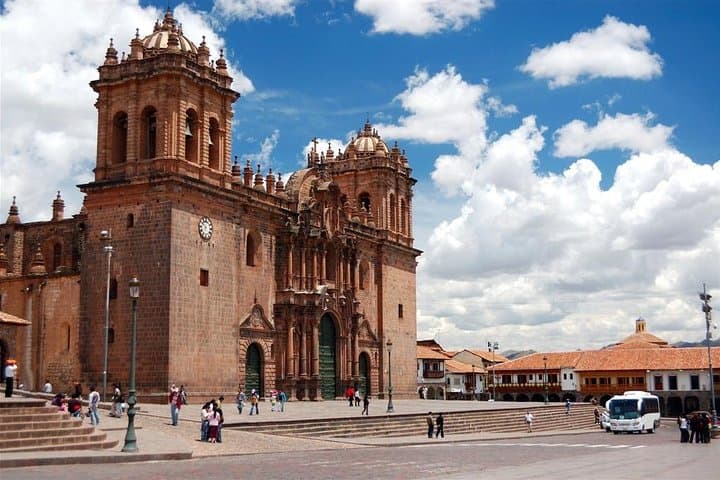
At dawn in Cusco the air bites with altitude and history; cobbled streets and colonial facades give way to terraced highlands as a tour van climbs toward the Sacred Valley. Travelers move between Inca sites, salt pans, volcanic bowls and two high‑altitude lakes, each day a distinct landscape and pace.
Verified experiences and guided adventures in the surrounding area.
Operated by Chullos Travel Peru · Cusco, Cusco Region
At dawn in Cusco the air bites with altitude and history; cobbled streets and colonial facades give way to terraced highlands as a tour van climbs toward the Sacred Valley. Travelers move between Inca sites, salt pans, volcanic bowls and two high‑altitude lakes, each day a distinct landscape and pace.
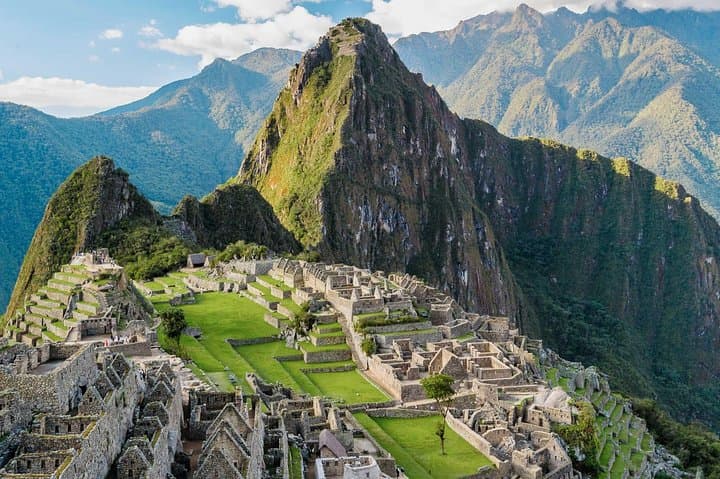
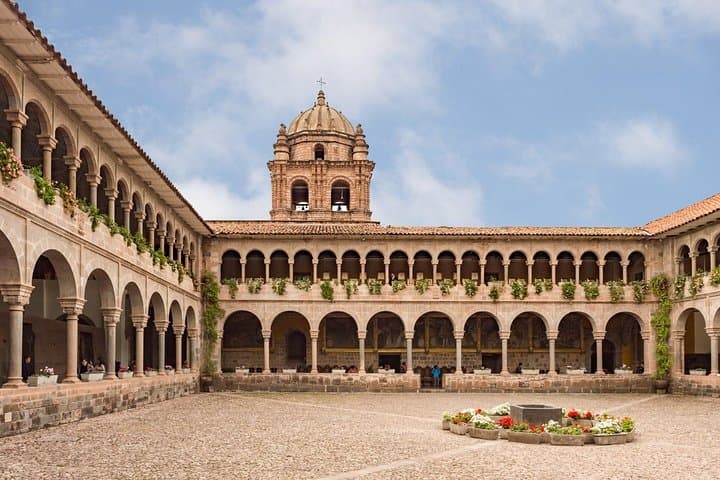
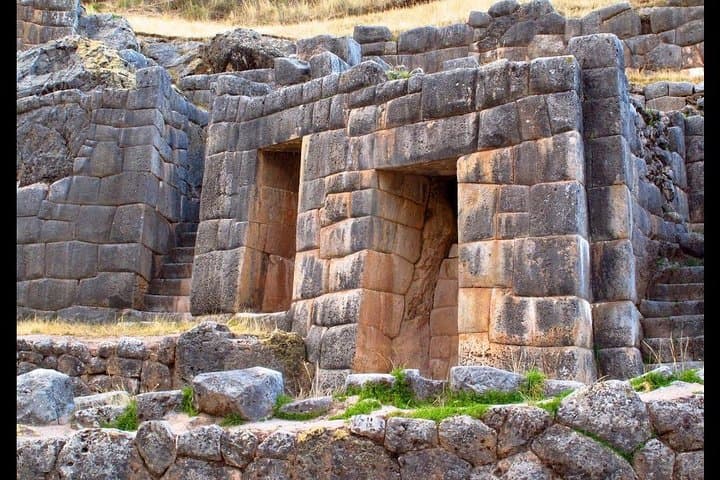
The itinerary threads through imperial Cusco—Koricancha, Sacsayhuamán and Qenqo—then downriver to Pisac and Ollantaytambo, stone complexes that reveal Inca engineering, agricultural terraces and the Intihuatana ritual stones. Geology shifts from folded Andean ranges to saline evaporation pools at Maras and concentric agricultural depressions at Moray, evidence of microclimate experimentation. Machu Picchu sits above the Urubamba gorge, a misty granite citadel whose construction aligns with solar cycles; nearby Humantay Lake and Rainbow Mountain (Vinicunca) showcase glacially scoured basins and oxidized mineral layers that color the slopes.
Cultural notes: communities maintain weaving traditions, seasonal rituals and the annual Q’eswachaka bridge weaving, linking living Andean practice to archaeological continuity.
Practical guidance: expect daily drives and short hikes at 3,700–4,800 m; acclimatization in Cusco for 24–48 hours is recommended. Wear layered synthetic clothing, sturdy boots and a rain shell; bring water, electrolytes and altitude medication if advised. Walking poles help on steep descents. Train segments between Ollantaytambo and Aguas Calientes reduce trekking time but require flexible booking; Machu Picchu tickets are issued by Peru's Ministry of Culture and vary by circuit. Pace activities during the first days, monitor exertion, and respect fragile high‑altitude ecosystems. Carry cash for remote markets and tip local guides directly.
challenging.
8 days.
Participants should have good aerobic fitness and prior experience with day hikes at altitude; expect multi‑hour walks up to 4,800 m.
The tour purchases Machu Picchu tickets when available; tickets are issued by Peru's Ministry of Culture and may vary by circuit—if unavailable you will be refunded for that portion.
Acclimatize in Cusco for 24–48 hours, hydrate, avoid heavy meals and consider consulting a doctor about acetazolamide or other preventive measures.
Expect steep approaches and 1.5–3 hour ascents at high altitude; moderate fitness and pacing are required, with walking poles recommended.
Most operators and hotels offer luggage storage in Aguas Calientes or Cusco; confirm details with the tour provider before departure.
Cusco was the administrative heart of the Inca Empire and many valley sites served agricultural, religious and astronomical functions that persist in local practice.
High‑traffic areas are vulnerable to erosion and litter; stick to trails, avoid single‑use plastics and support community‑run conservation initiatives.
Chullos Travel Peru operates guided outdoor trips and adventures with an emphasis on safety, stewardship, and memorable experiences.
At dawn in Cusco the air bites with altitude and history; cobbled streets and colonial facades give way to terraced highlands as a tour van climbs toward the Sacred Valley. Travelers move between Inca sites, salt pans, volcanic bowls and two high‑altitude lakes, each day a distinct landscape and pace.
At dawn in Cusco the air bites with altitude and history; cobbled streets and colonial facades give way to terraced highlands as a tour van climbs toward the Sacred Valley. Travelers move between Inca sites, salt pans, volcanic bowls and two high‑altitude lakes, each day a distinct landscape and pace.
The itinerary threads through imperial Cusco—Koricancha, Sacsayhuamán and Qenqo—then downriver to Pisac and Ollantaytambo, stone complexes that reveal Inca engineering, agricultural terraces and the Intihuatana ritual stones. Geology shifts from folded Andean ranges to saline evaporation pools at Maras and concentric agricultural depressions at Moray, evidence of microclimate experimentation. Machu Picchu sits above the Urubamba gorge, a misty granite citadel whose construction aligns with solar cycles; nearby Humantay Lake and Rainbow Mountain (Vinicunca) showcase glacially scoured basins and oxidized mineral layers that color the slopes.
Cultural notes: communities maintain weaving traditions, seasonal rituals and the annual Q’eswachaka bridge weaving, linking living Andean practice to archaeological continuity.
Practical guidance: expect daily drives and short hikes at 3,700–4,800 m; acclimatization in Cusco for 24–48 hours is recommended. Wear layered synthetic clothing, sturdy boots and a rain shell; bring water, electrolytes and altitude medication if advised. Walking poles help on steep descents. Train segments between Ollantaytambo and Aguas Calientes reduce trekking time but require flexible booking; Machu Picchu tickets are issued by Peru's Ministry of Culture and vary by circuit. Pace activities during the first days, monitor exertion, and respect fragile high‑altitude ecosystems. Carry cash for remote markets and tip local guides directly.