THE ADVENTURE COLLECTIVE® · Independent discovery and booking for outdoor travel

An eight-day, all-included circuit from Cusco that combines the Sacred Valley, Machu Picchu, Rainbow Mountain, Humantay Lake and the Qeswachaka bridge. Expect steep, high-altitude hikes, train transfers and culturally rich stops with guided logistics handled for you.
An eight-day, all-included circuit from Cusco that combines the Sacred Valley, Machu Picchu, Rainbow Mountain, Humantay Lake and the Qeswachaka bridge. Expect steep, high-altitude hikes, train transfers and culturally rich stops with guided logistics handled for you.
You step out of an evening bus into thin air—Cusco’s colonial plaza framed by stone walls older than nations, a chill that lifts the voice and refines each breath. Over eight days this trip threads through highland plateaus, terraced fields and the mist-steeped approaches to Machu Picchu, moving from city streets to glacier-fed lakes and ritual rope bridges.
Verified experiences and guided adventures in the surrounding area.
Operated by MachuPicchu Journey · Cusco, Cusco
You step out of an evening bus into thin air—Cusco’s colonial plaza framed by stone walls older than nations, a chill that lifts the voice and refines each breath. Over eight days this trip threads through highland plateaus, terraced fields and the mist-steeped approaches to Machu Picchu, moving from city streets to glacier-fed lakes and ritual rope bridges.
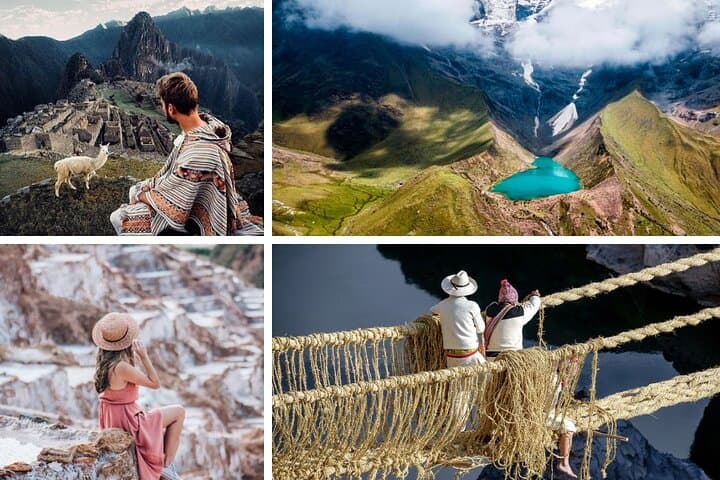
The journey follows the spine of the Inca world: Koricancha’s repurposed sun temple, the terraced experiment fields at Moray, and the salt pans of Maras cut into a mountainside. Geology reads like a ledger here—folded Andes, uplifted river valleys and mineral beds that paint Winicunca (Rainbow Mountain) in iron-rich stripes. Culture remains visible in everyday acts: markets that trade potatoes by family, and the annual repair of Qeswachaka, the living Inca bridge woven from ichu grass.
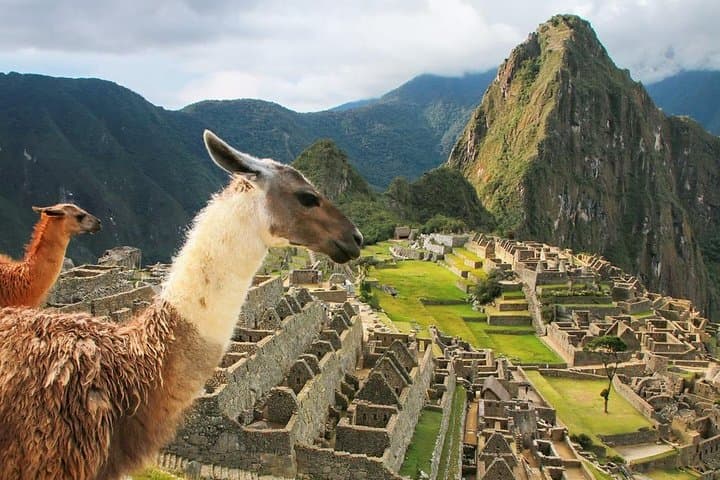
Expect hikes that are short but steep, where altitude, not distance, is the challenge. Humantay requires a sustained ascent to 4,250 m; Rainbow Mountain pushes above 5,000 m. Machu Picchu is a walking site—stone stairways, terraces and viewpoints—finished with a climb or two for better vistas.
Practical edge: build acclimatization into day one, carry layers for high sun and sudden storms, and hydrate before you feel thirsty. Train segments between Ollantaytambo and Aguas Calientes cut travel time and conserve energy for on-foot exploration. Local guides handle permits and logistics, but bring small bills for markets and community fees. With mindful pacing and the right gear, this itinerary stitches iconic archaeology, raw mountain scenery and living Andean traditions into a compact, high-altitude adventure.
challenging.
8 days.
Good cardiovascular fitness and prior experience with day hikes are recommended; ability to walk 1–3 hours uphill at altitude.
Yes—entrance tickets are regulated and time-stamped; your operator should secure permits and the train reservation as included, but confirm details before travel.
Altitude is the main risk—symptoms can appear above 2,500 m; take time to acclimatize, avoid alcohol, hydrate and consider medication after consulting a physician.
Both are steep, 1–3 hour hikes at high elevation; moderate to good fitness and steady pacing are needed rather than technical climbing ability.
Most breakfasts and several lunches are included, as are specified train tickets between Ollantaytambo and Aguas Calientes; check your booking for exact inclusions.
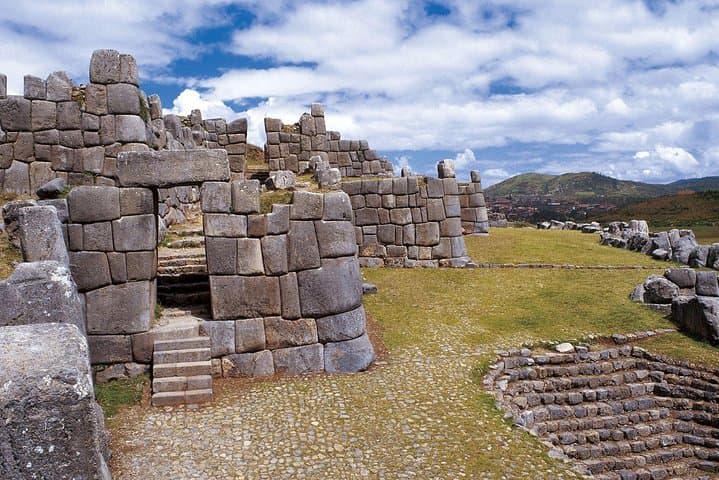
This route traces Inca infrastructure: agricultural terraces, ritual centers like Moray, and the annual community renewal of the Qeswachaka bridge—practices that link modern Andean communities to pre-Hispanic systems.
Sites like Machu Picchu limit daily visits to reduce erosion; respect designated paths, pack out waste, and support community-run conservation initiatives such as Qeswachaka maintenance.
MachuPicchu Journey operates guided outdoor trips and adventures with an emphasis on safety, stewardship, and memorable experiences.
You step out of an evening bus into thin air—Cusco’s colonial plaza framed by stone walls older than nations, a chill that lifts the voice and refines each breath. Over eight days this trip threads through highland plateaus, terraced fields and the mist-steeped approaches to Machu Picchu, moving from city streets to glacier-fed lakes and ritual rope bridges.
You step out of an evening bus into thin air—Cusco’s colonial plaza framed by stone walls older than nations, a chill that lifts the voice and refines each breath. Over eight days this trip threads through highland plateaus, terraced fields and the mist-steeped approaches to Machu Picchu, moving from city streets to glacier-fed lakes and ritual rope bridges.
The journey follows the spine of the Inca world: Koricancha’s repurposed sun temple, the terraced experiment fields at Moray, and the salt pans of Maras cut into a mountainside. Geology reads like a ledger here—folded Andes, uplifted river valleys and mineral beds that paint Winicunca (Rainbow Mountain) in iron-rich stripes. Culture remains visible in everyday acts: markets that trade potatoes by family, and the annual repair of Qeswachaka, the living Inca bridge woven from ichu grass.
Expect hikes that are short but steep, where altitude, not distance, is the challenge. Humantay requires a sustained ascent to 4,250 m; Rainbow Mountain pushes above 5,000 m. Machu Picchu is a walking site—stone stairways, terraces and viewpoints—finished with a climb or two for better vistas.
Practical edge: build acclimatization into day one, carry layers for high sun and sudden storms, and hydrate before you feel thirsty. Train segments between Ollantaytambo and Aguas Calientes cut travel time and conserve energy for on-foot exploration. Local guides handle permits and logistics, but bring small bills for markets and community fees. With mindful pacing and the right gear, this itinerary stitches iconic archaeology, raw mountain scenery and living Andean traditions into a compact, high-altitude adventure.