THE ADVENTURE COLLECTIVE® · Independent discovery and booking for outdoor travel

From balloon-dotted horizons in Cappadocia to the marble streets of Ephesus and the white terraces of Pamukkale, this eight-day private tour compresses Turkey's western highlights into one efficient, story-driven itinerary. Expect volcanic geology, Roman monuments, thermal pools and Mediterranean beaches — all with a licensed guide and 4-star lodging.
From balloon-dotted horizons in Cappadocia to the marble streets of Ephesus and the white terraces of Pamukkale, this eight-day private tour compresses Turkey's western highlights into one efficient, story-driven itinerary. Expect volcanic geology, Roman monuments, thermal pools and Mediterranean beaches — all with a licensed guide and 4-star lodging.
The minibus hums to life before dawn, headlights carving through Istanbul's quiet neighborhoods as a small group folds into seats and hands over passports. By midmorning the volcanic moonscape of Cappadocia unfurls: honeycombed rock, mushroom pinnacles and a sky filled with balloons that seem to hover between past and present.
Verified experiences and guided adventures in the surrounding area.
Operated by Puerto Travel Turkey · Istanbul, Istanbul
The minibus hums to life before dawn, headlights carving through Istanbul's quiet neighborhoods as a small group folds into seats and hands over passports. By midmorning the volcanic moonscape of Cappadocia unfurls: honeycombed rock, mushroom pinnacles and a sky filled with balloons that seem to hover between past and present.
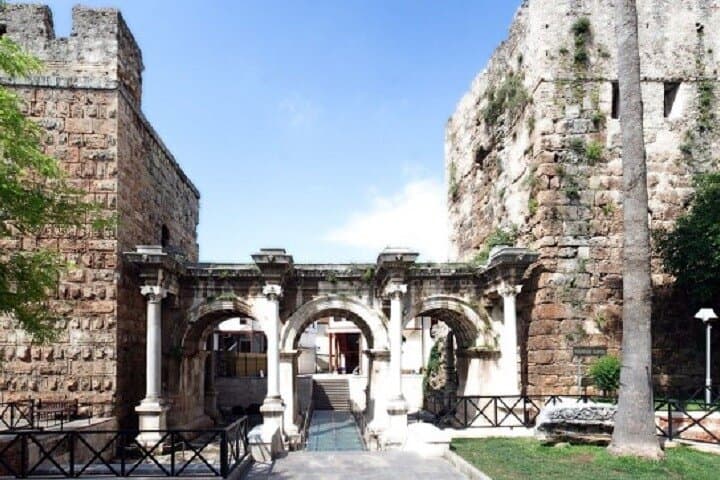
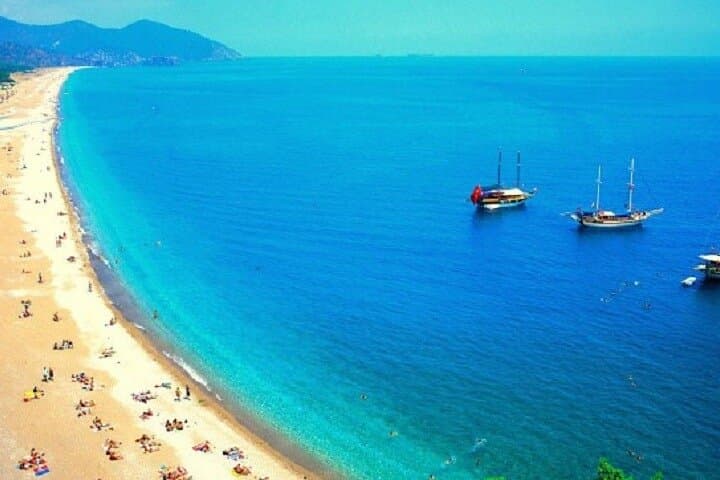
On paper this is an eight-day, curated circuit of Turkey’s headline sites — Cappadocia’s fairy chimneys and cave churches, the marble colonnades of Ephesus, the gleaming white terraces of Pamukkale, and the classical ruins and Mediterranean coves of Antalya. In practice it’s a travel rhythm that alternates geological spectacle with human scale: a pottery wheel spun by an Avanos artisan, a guide pointing to a Byzantine fresco in a cave chapel, market vendors slicing figs at a seaside stall.
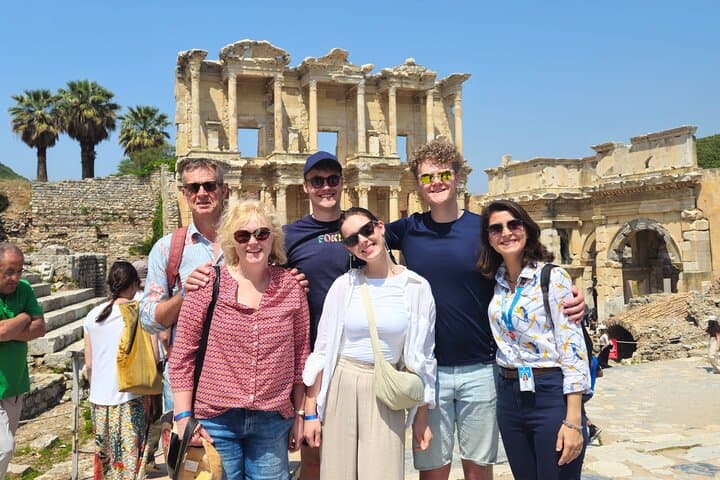
Geology and history overlap here. Cappadocia’s hoodoos were sculpted by millennia of wind and the erosion of soft tuff left by ancient volcanic eruptions; the rock-cut churches of Göreme preserve frescoes from the 10th–12th centuries when monastic communities hid in the caves. Ephesus tells a different story — a once-thriving Roman port whose marble main street, library and tiered theater map the trade and civic life of an empire. Pamukkale’s travertine cascades are living geology: mineral-laden springs depositing calcium carbonate into terraces that still grow, and which have been managed and protected as a UNESCO site.
Culture here is tactile: ceramic dust on your fingertips in Avanos, the cadence of prayer and calligraphy in a small mosque in Selçuk, the slow, deliberate hospitality of family-run hotels. Guides on this private tour move the group efficiently — airport transfers, domestic flights, and 4-star hotels are included — but they also leave space for single moments of discovery.
Practical notes: mornings in Cappadocia are prime for balloon photos and cooler hiking; pack layers as high plateau nights chill quickly. Expect several short hikes (Rose/Red Valley ~4 km with modest elevation changes) and narrow passages in Kaymakli underground city — comfortable walking shoes are a must. Pamukkale requires bare feet on the travertines, so quick-dry socks and a small towel help. Antalya offers coastal respite: plan a relaxed final day to swim, shop or explore Perge and Aspendos at a gentler pace.
For travelers, timing and pacing matter more than speed. Book flights between domestic legs early and confirm hotel pickup points the day before; bring a daypack, sun protection, and a sense of curiosity. The route stitches together active landscapes, classical ruins and local crafts into a single, varied week — four regions, one clear throughline: the story of human settlement written on stone.
moderate.
8 days.
Moderate — able to walk several short hikes (~4 km), climb uneven paths and descend narrow underground passages.
Yes — entrance fees to the listed sites and museums are included in the tour package.
Pickup and drop-off are included; the operator confirms hotel or airport pickup points and asks for flight details at booking.
Yes — the program can be adjusted on request (timing, extra nights or site substitutions) — contact the supplier before booking.
Transportation options are wheelchair accessible, but many archaeological sites and cave areas have uneven terrain and steps that limit access.
Yes — evenings in Kusadasi and Antalya include free time; day seven in Antalya is left open for independent plans.
Yes — the itinerary includes scheduled domestic flights (e.g., Cappadocia–İzmir and Antalya–Istanbul transfers) as part of the package.
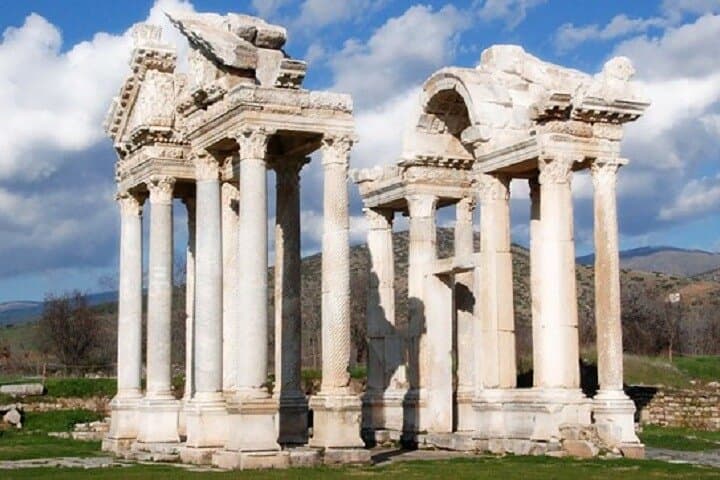
This route traces layers of Anatolian history — Hellenistic ports and Roman civic centers in Ephesus, Byzantine and early Christian cave churches in Cappadocia, and Roman spa culture at Hierapolis/Pamukkale.
Pamukkale’s travertines are protected; visitors must follow boardwalks and no-shoe rules to prevent damage, while archaeological sites enforce controlled access to preserve frescoes and ruins.
Puerto Travel Turkey operates guided outdoor trips and adventures with an emphasis on safety, stewardship, and memorable experiences.
The minibus hums to life before dawn, headlights carving through Istanbul's quiet neighborhoods as a small group folds into seats and hands over passports. By midmorning the volcanic moonscape of Cappadocia unfurls: honeycombed rock, mushroom pinnacles and a sky filled with balloons that seem to hover between past and present.
The minibus hums to life before dawn, headlights carving through Istanbul's quiet neighborhoods as a small group folds into seats and hands over passports. By midmorning the volcanic moonscape of Cappadocia unfurls: honeycombed rock, mushroom pinnacles and a sky filled with balloons that seem to hover between past and present.
On paper this is an eight-day, curated circuit of Turkey’s headline sites — Cappadocia’s fairy chimneys and cave churches, the marble colonnades of Ephesus, the gleaming white terraces of Pamukkale, and the classical ruins and Mediterranean coves of Antalya. In practice it’s a travel rhythm that alternates geological spectacle with human scale: a pottery wheel spun by an Avanos artisan, a guide pointing to a Byzantine fresco in a cave chapel, market vendors slicing figs at a seaside stall.
Geology and history overlap here. Cappadocia’s hoodoos were sculpted by millennia of wind and the erosion of soft tuff left by ancient volcanic eruptions; the rock-cut churches of Göreme preserve frescoes from the 10th–12th centuries when monastic communities hid in the caves. Ephesus tells a different story — a once-thriving Roman port whose marble main street, library and tiered theater map the trade and civic life of an empire. Pamukkale’s travertine cascades are living geology: mineral-laden springs depositing calcium carbonate into terraces that still grow, and which have been managed and protected as a UNESCO site.
Culture here is tactile: ceramic dust on your fingertips in Avanos, the cadence of prayer and calligraphy in a small mosque in Selçuk, the slow, deliberate hospitality of family-run hotels. Guides on this private tour move the group efficiently — airport transfers, domestic flights, and 4-star hotels are included — but they also leave space for single moments of discovery.
Practical notes: mornings in Cappadocia are prime for balloon photos and cooler hiking; pack layers as high plateau nights chill quickly. Expect several short hikes (Rose/Red Valley ~4 km with modest elevation changes) and narrow passages in Kaymakli underground city — comfortable walking shoes are a must. Pamukkale requires bare feet on the travertines, so quick-dry socks and a small towel help. Antalya offers coastal respite: plan a relaxed final day to swim, shop or explore Perge and Aspendos at a gentler pace.
For travelers, timing and pacing matter more than speed. Book flights between domestic legs early and confirm hotel pickup points the day before; bring a daypack, sun protection, and a sense of curiosity. The route stitches together active landscapes, classical ruins and local crafts into a single, varied week — four regions, one clear throughline: the story of human settlement written on stone.