THE ADVENTURE COLLECTIVE® · Independent discovery and booking for outdoor travel

Traverse Cambodia in eight days: Phnom Penh’s city history, Battambang’s rural bicycles and caves, and Siem Reap’s monumental Angkor temples. This private multi-day tour mixes cultural insight, hands-on cooking and local waterways with manageable active segments.
Traverse Cambodia in eight days: Phnom Penh’s city history, Battambang’s rural bicycles and caves, and Siem Reap’s monumental Angkor temples. This private multi-day tour mixes cultural insight, hands-on cooking and local waterways with manageable active segments.
You step from the humid airport air into Phnom Penh’s frenetic pulse — motorbikes weaving past colonial facades, the Mekong daring you to look deeper. Over eight days the trip unfolds as a sequence of landscapes: Phnom Penh’s formal palaces and hard-history memorials, the wide rural plains around Battambang where limestone hums under rice paddies, and the low, sun-drained Angkor plain crowned by sandstone temples that seem to hold their own slow breath.
Verified experiences and guided adventures in the surrounding area.
Operated by Tour East Cambodia · Siem Reap, Siem Reap Province
You step from the humid airport air into Phnom Penh’s frenetic pulse — motorbikes weaving past colonial facades, the Mekong daring you to look deeper. Over eight days the trip unfolds as a sequence of landscapes: Phnom Penh’s formal palaces and hard-history memorials, the wide rural plains around Battambang where limestone hums under rice paddies, and the low, sun-drained Angkor plain crowned by sandstone temples that seem to hold their own slow breath.
Cambodia’s recent history is present at Tuol Sleng and the Killing Fields; the stones of Angkor tell an older story of Khmer engineering, sandstone quarries, and hydraulic ingenuity that shaped a medieval capital. Battambang’s countryside is geologically gentle — flat to rolling, with Phnom Sampov a modest 100m limestone outcrop whose caves host both shrines and bat columns at dusk. Tonle Sap’s seasonal pulse dominates local ecology, pushing and pulling fish and villages with the monsoon.
Practical guidance is straightforward. Expect several road transfers: Phnom Penh to Battambang ~5 hours, Battambang to Siem Reap ~3 hours. The Battambang bike loop is about 22km on flat rural roads; basic cycling fitness is enough. Temple zones involve uneven sandstone steps and long walks across hot ground; cover shoulders and knees, carry 2L+ water per day, and plan Angkor visits for early morning or late afternoon light to avoid peak heat.
Pack light, bring insect repellent, local currency for markets, and a respectful attitude at memorial sites and temples. With modest fitness and cultural curiosity, this itinerary balances history, village life, and one of Southeast Asia’s great archaeological landscapes.
moderate.
8 days (daily activity 3–8 hours).
Light to moderate fitness; comfortable walking and a basic level of cycling stamina recommended
Most nationalities require a tourist visa obtainable on arrival or via e‑visa before travel; check current entry rules and have passport photos or digital copies available.
Yes — the 22km route is mostly flat on rural roads and suitable for beginners with basic bike handling and comfort riding in traffic conditions.
Early mornings at sunrise or late afternoons offer cooler temperatures and thinner crowds; November to February is cooler and drier overall.
The itinerary notes 1–2 water bottles per person per day included, but bring a refillable bottle to reduce plastic and ensure you have enough water between stops.
Angkor was the heart of the Khmer Empire (9th–15th centuries) and showcases advanced hydraulic and stone‑carving techniques; Phnom Penh houses relics of Cambodia’s 20th‑century upheavals under the Khmer Rouge.
Tonle Sap’s fisheries are ecologically critical and sensitive to overfishing and hydrological change; support sustainable operators and avoid single‑use plastics when visiting villages.
Tour East Cambodia operates guided outdoor trips and adventures with an emphasis on safety, stewardship, and memorable experiences.
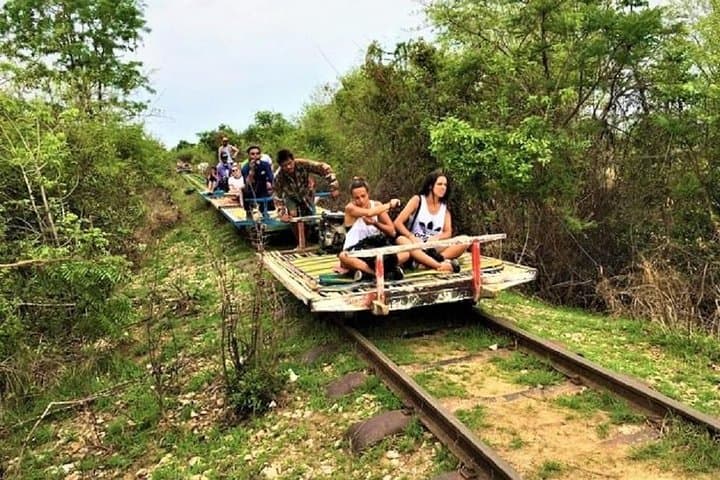
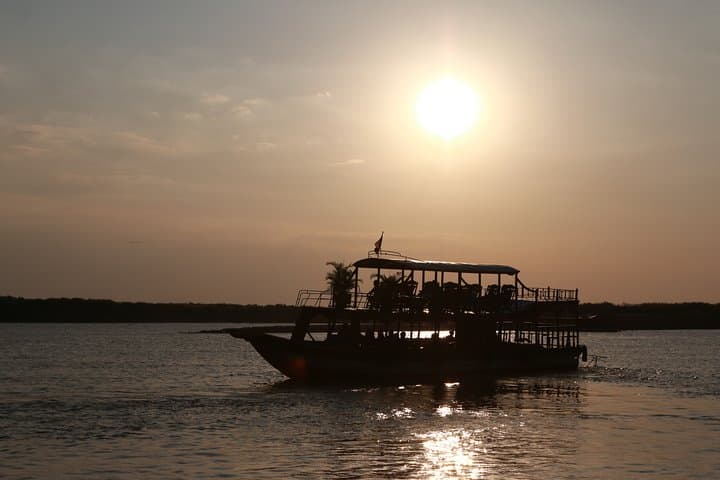
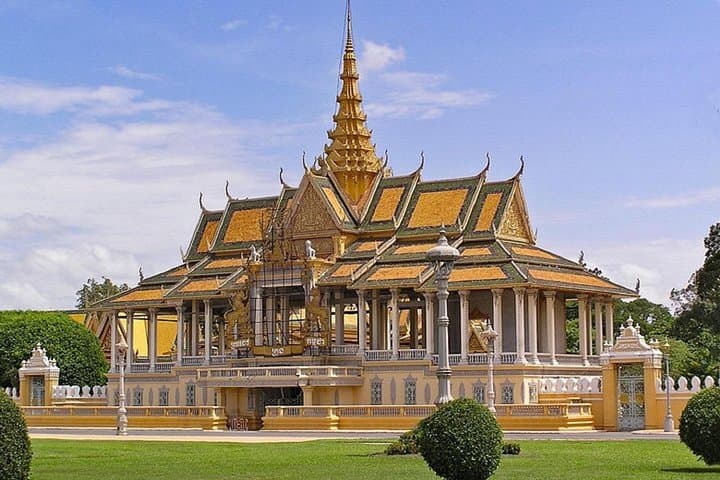
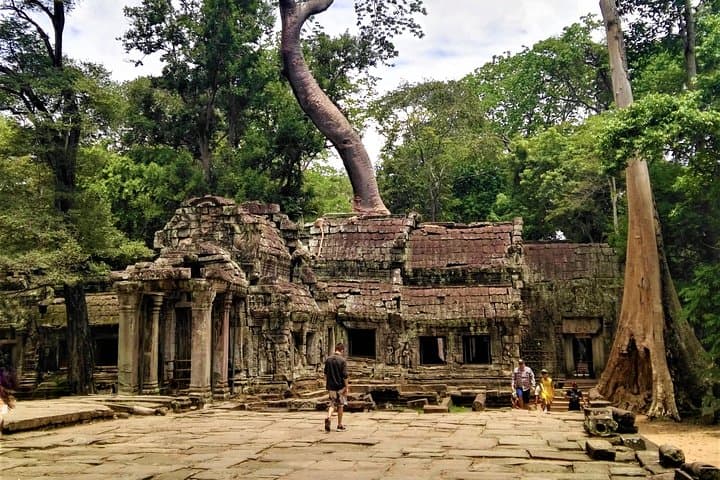
You step from the humid airport air into Phnom Penh’s frenetic pulse — motorbikes weaving past colonial facades, the Mekong daring you to look deeper. Over eight days the trip unfolds as a sequence of landscapes: Phnom Penh’s formal palaces and hard-history memorials, the wide rural plains around Battambang where limestone hums under rice paddies, and the low, sun-drained Angkor plain crowned by sandstone temples that seem to hold their own slow breath.
You step from the humid airport air into Phnom Penh’s frenetic pulse — motorbikes weaving past colonial facades, the Mekong daring you to look deeper. Over eight days the trip unfolds as a sequence of landscapes: Phnom Penh’s formal palaces and hard-history memorials, the wide rural plains around Battambang where limestone hums under rice paddies, and the low, sun-drained Angkor plain crowned by sandstone temples that seem to hold their own slow breath.
Cambodia’s recent history is present at Tuol Sleng and the Killing Fields; the stones of Angkor tell an older story of Khmer engineering, sandstone quarries, and hydraulic ingenuity that shaped a medieval capital. Battambang’s countryside is geologically gentle — flat to rolling, with Phnom Sampov a modest 100m limestone outcrop whose caves host both shrines and bat columns at dusk. Tonle Sap’s seasonal pulse dominates local ecology, pushing and pulling fish and villages with the monsoon.
Practical guidance is straightforward. Expect several road transfers: Phnom Penh to Battambang ~5 hours, Battambang to Siem Reap ~3 hours. The Battambang bike loop is about 22km on flat rural roads; basic cycling fitness is enough. Temple zones involve uneven sandstone steps and long walks across hot ground; cover shoulders and knees, carry 2L+ water per day, and plan Angkor visits for early morning or late afternoon light to avoid peak heat.
Pack light, bring insect repellent, local currency for markets, and a respectful attitude at memorial sites and temples. With modest fitness and cultural curiosity, this itinerary balances history, village life, and one of Southeast Asia’s great archaeological landscapes.