THE ADVENTURE COLLECTIVE® · Independent discovery and booking for outdoor travel

An eight-day journey from Cairo’s pyramids to Luxor’s temples, combining VIP train segments and a Nile cruise. Expect archaeological highlights, river scenery, and practical tips for beating the heat and navigating sites.
An eight-day journey from Cairo’s pyramids to Luxor’s temples, combining VIP train segments and a Nile cruise. Expect archaeological highlights, river scenery, and practical tips for beating the heat and navigating sites.
You step from the VIP train into the warm buzz of Cairo: dust-tinged light, the low hum of engines, and the distant silhouette of the Great Pyramid daring you to draw closer.
Verified experiences and guided adventures in the surrounding area.
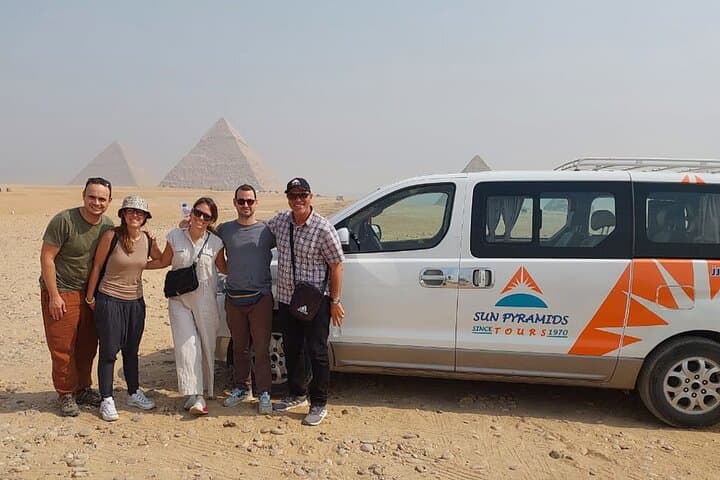
Operated by Sun Pyramids Tours · Cairo, Cairo Governorate
You step from the VIP train into the warm buzz of Cairo: dust-tinged light, the low hum of engines, and the distant silhouette of the Great Pyramid daring you to draw closer.
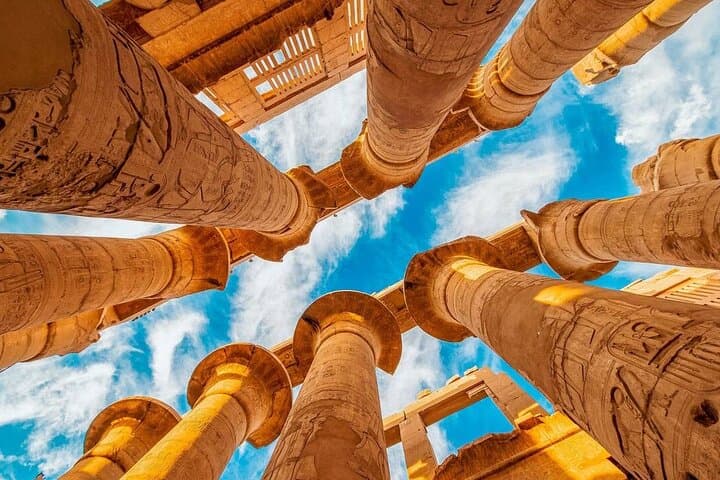
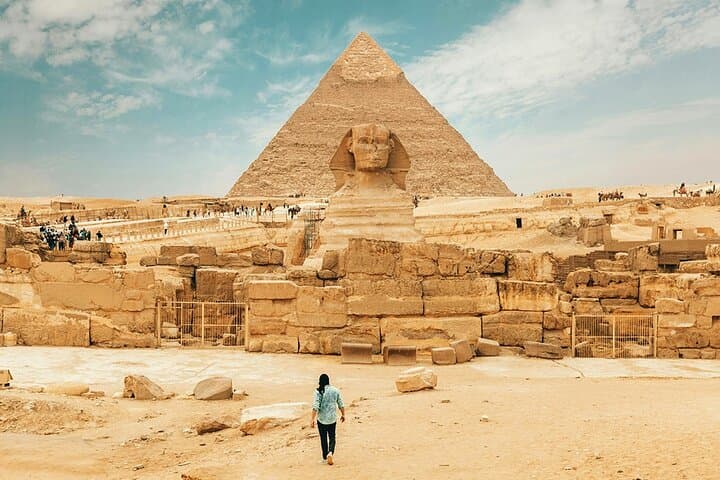
This eight-day circuit moves from the Giza Plateau’s quarried limestone—built into tombs for Khufu, Khafre and Menkaure—to the slow, river-carved banks of the Nile where Philae was lifted stone by stone to Agilkia Island. Along the way the itinerary threads Ptolemaic temples at Edfu and Kom Ombo, the columned vastness of Karnak, and Luxor Temple’s avenue of sphinxes. The geology shifts from Sahara sands and cenomanian limestone at Giza to the alluvial terraces that made the Nile Valley Egypt’s agricultural spine for millennia.
Culturally, expect a living layering: Coptic neighborhoods and Ottoman-era cafés in Cairo, Nubian villages by Aswan, and Luxor’s ongoing relationship with funerary architecture. Guides on this route interpret hieroglyphs and ritual spaces; you’ll see relocation work at Philae and conservation efforts at Karnak.
Practical guidance: plan for early starts to avoid midday heat, carry a refillable water bottle, and wear closed shoes with good grip—temple stones and train platforms are uneven. Bring sunscreen, a brimmed hat, and a lightweight layer for cool evenings on deck. Keep passports and train tickets handy; VIP trains and private transfers are included but schedules can be tight. Respect site rules: no climbing on monuments, and ask before photographing on private property. With steady pacing and sensible gear, this itinerary turns iconic sites into a manageable, richly layered journey through Egypt’s ancient core.
moderate.
8 days.
Light to moderate fitness; able to walk several blocks and climb short temple steps.
Entrance fees to the listed sites are included in the itinerary as noted; check your voucher for specifics.
Most nationalities require a visa for Egypt—check consular requirements and arrange an e-visa or obtain one on arrival if eligible.
Daily walking is moderate: expect 1–3 miles at archaeological sites with some steps and uneven surfaces.
Tipping is not typically included; plan small tips for guides, drivers, and ship staff according to local custom.
The route traces continuous occupation from Old Kingdom pyramids at Giza through Ptolemaic temple-building along the Nile and New Kingdom ceremonial centers at Karnak and Luxor.
Major relocation projects like Philae show large-scale conservation; travelers should avoid touching reliefs, use refillable bottles, and follow local guidance to limit wear on fragile sites.
Sun Pyramids Tours operates guided outdoor trips and adventures with an emphasis on safety, stewardship, and memorable experiences.
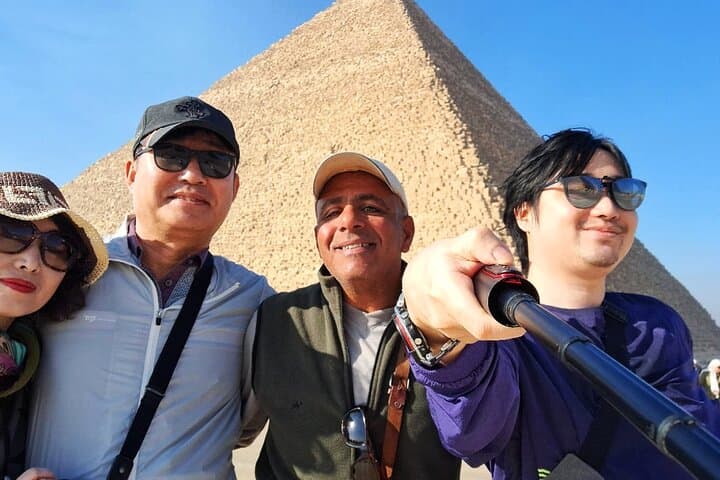
You step from the VIP train into the warm buzz of Cairo: dust-tinged light, the low hum of engines, and the distant silhouette of the Great Pyramid daring you to draw closer.
You step from the VIP train into the warm buzz of Cairo: dust-tinged light, the low hum of engines, and the distant silhouette of the Great Pyramid daring you to draw closer.
This eight-day circuit moves from the Giza Plateau’s quarried limestone—built into tombs for Khufu, Khafre and Menkaure—to the slow, river-carved banks of the Nile where Philae was lifted stone by stone to Agilkia Island. Along the way the itinerary threads Ptolemaic temples at Edfu and Kom Ombo, the columned vastness of Karnak, and Luxor Temple’s avenue of sphinxes. The geology shifts from Sahara sands and cenomanian limestone at Giza to the alluvial terraces that made the Nile Valley Egypt’s agricultural spine for millennia.
Culturally, expect a living layering: Coptic neighborhoods and Ottoman-era cafés in Cairo, Nubian villages by Aswan, and Luxor’s ongoing relationship with funerary architecture. Guides on this route interpret hieroglyphs and ritual spaces; you’ll see relocation work at Philae and conservation efforts at Karnak.
Practical guidance: plan for early starts to avoid midday heat, carry a refillable water bottle, and wear closed shoes with good grip—temple stones and train platforms are uneven. Bring sunscreen, a brimmed hat, and a lightweight layer for cool evenings on deck. Keep passports and train tickets handy; VIP trains and private transfers are included but schedules can be tight. Respect site rules: no climbing on monuments, and ask before photographing on private property. With steady pacing and sensible gear, this itinerary turns iconic sites into a manageable, richly layered journey through Egypt’s ancient core.