THE ADVENTURE COLLECTIVE® · Independent discovery and booking for outdoor travel

This eight-day guided tour threads Sarajevo’s history with Herzegovina’s river valleys and the Olympic mountains. Expect guided city walks, karst springs, Kravice waterfall, and alpine visits to Bjelasnica and Igman—balanced between cultural context and outdoor time.
This eight-day guided tour threads Sarajevo’s history with Herzegovina’s river valleys and the Olympic mountains. Expect guided city walks, karst springs, Kravice waterfall, and alpine visits to Bjelasnica and Igman—balanced between cultural context and outdoor time.
Morning light slides down the Miljacka as a small convoy pulls away from Sarajevo’s old town, the air still bearing the scent of coffee and grilled ćevapi.
Verified experiences and guided adventures in the surrounding area.
Operated by Tour Mage · Sarajevo, Federation of Bosnia and Herzegovina
Morning light slides down the Miljacka as a small convoy pulls away from Sarajevo’s old town, the air still bearing the scent of coffee and grilled ćevapi.
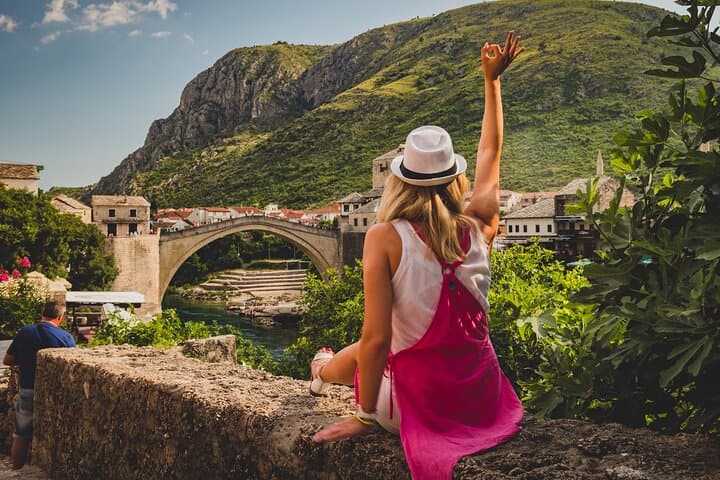
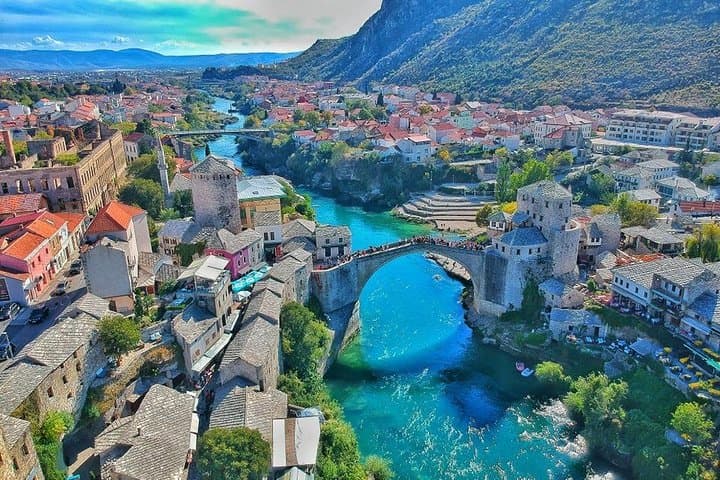
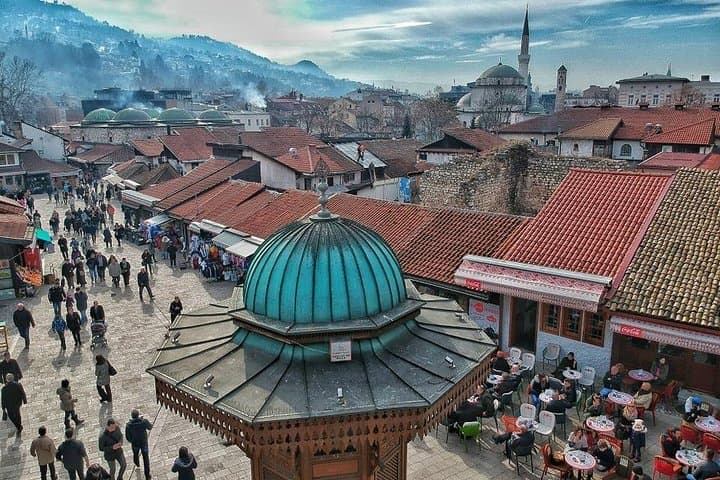
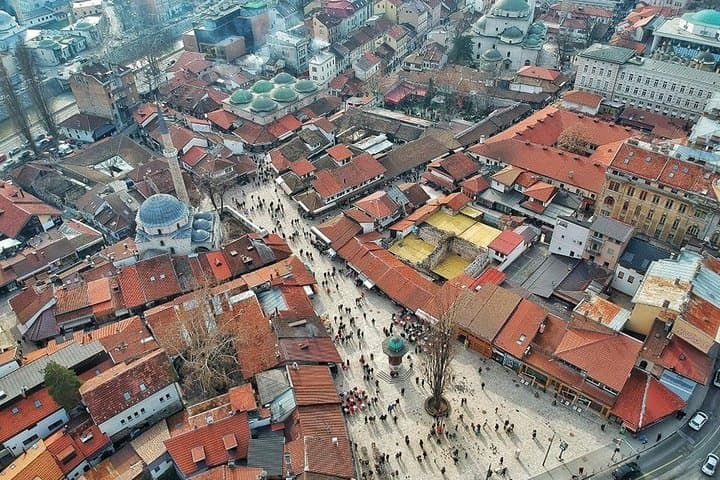
Over eight days the route stitches together Ottoman bazaars, wartime memory, karst rivers and high alpine ridgelines—each landscape taking a turn in the story. Guests walk the cobbled alleys of Baščaršija, stand above the Miljacka at the Latin Bridge where 20th-century history pivoted, and descend into the Tunnel of Hope once vital during the 1,425‑day siege. Southward, the emerald Neretva threads through Mostar; Stari Most’s rebuilt arch frames jumpers and river eddies that seem to dare you downstream.
Geology here is visible: limestone karst feeds tufa-rich springs at Blagaj and sculpts the travertine ledges at Kravice Falls (a broad, curtain‑like drop). Bjelasnica and Igman lift the itinerary into subalpine forests and pastures—Bjelasnica’s summit reaches just over 2,000 m—where winds shape the pines and the 1984 Olympic legacy remains in the old bobsleigh runs.
Practical side: expect steady, mostly easy walking with several short hikes and photo stops; roads between towns are scenic but winding. Carry layered clothing, comfortable walking shoes, a refillable water bottle, and an umbrella for sudden showers. Mornings and late afternoons are best for photography and cooler walking. This itinerary balances cultural immersion with natural highlights, giving a compact, accessible survey of Bosnia’s landscape and history.
moderate.
8 days.
Suitable for travellers comfortable with 1–3 hours of walking several days in a row; minimal steep hiking.
Most days involve short to moderate walks and sightseeing; no technical hiking is required, but participants should handle several hours on their feet.
Yes—accommodation in 4* hotels, breakfasts and listed entrance fees are included per the itinerary.
Transfers are included as arranged—confirm pickup point and flight details when booking to coordinate arrival and departure transfers.
Special dietary requirements can be requested at booking; guides will make reasonable accommodations but local availability may vary.
The route moves between Ottoman-era trade centers, Austro-Hungarian architecture, and sites shaped by the 1992–1995 conflict—each stop offers layers of Bosnia’s past alongside living culture.
Visitors should stick to marked paths at waterfalls and springs to protect fragile tufa formations; choose local services that respect river health and low-impact tourism.
Tour Mage operates guided outdoor trips and adventures with an emphasis on safety, stewardship, and memorable experiences.
Morning light slides down the Miljacka as a small convoy pulls away from Sarajevo’s old town, the air still bearing the scent of coffee and grilled ćevapi.
Morning light slides down the Miljacka as a small convoy pulls away from Sarajevo’s old town, the air still bearing the scent of coffee and grilled ćevapi.
Over eight days the route stitches together Ottoman bazaars, wartime memory, karst rivers and high alpine ridgelines—each landscape taking a turn in the story. Guests walk the cobbled alleys of Baščaršija, stand above the Miljacka at the Latin Bridge where 20th-century history pivoted, and descend into the Tunnel of Hope once vital during the 1,425‑day siege. Southward, the emerald Neretva threads through Mostar; Stari Most’s rebuilt arch frames jumpers and river eddies that seem to dare you downstream.
Geology here is visible: limestone karst feeds tufa-rich springs at Blagaj and sculpts the travertine ledges at Kravice Falls (a broad, curtain‑like drop). Bjelasnica and Igman lift the itinerary into subalpine forests and pastures—Bjelasnica’s summit reaches just over 2,000 m—where winds shape the pines and the 1984 Olympic legacy remains in the old bobsleigh runs.
Practical side: expect steady, mostly easy walking with several short hikes and photo stops; roads between towns are scenic but winding. Carry layered clothing, comfortable walking shoes, a refillable water bottle, and an umbrella for sudden showers. Mornings and late afternoons are best for photography and cooler walking. This itinerary balances cultural immersion with natural highlights, giving a compact, accessible survey of Bosnia’s landscape and history.