THE ADVENTURE COLLECTIVE® · Independent discovery and booking for outdoor travel

A compact eight-day trek from Pokhara leads through Gurung villages, rhododendron forests and the Modi River gorge into the high amphitheater of Annapurna Sanctuary. Expect stone steps, high alpine weather and lodge-to-lodge comforts en route to the 4,130 m base camp.
A compact eight-day trek from Pokhara leads through Gurung villages, rhododendron forests and the Modi River gorge into the high amphitheater of Annapurna Sanctuary. Expect stone steps, high alpine weather and lodge-to-lodge comforts en route to the 4,130 m base camp.
A cold dawn in the Pokhara hills, prayer flags flapping, signals the start of a steady climb toward the amphitheater of rock that is Annapurna Sanctuary. The trail moves from terraced rice fields into rhododendron and pine forests, follows the Modì River through narrow gorges, and finally opens onto the high, windswept plateau of Annapurna Base Camp beneath hulking snow faces.
Verified experiences and guided adventures in the surrounding area.
Operated by Trekking Planner Nepal · Pokhara, Gandaki Province
A cold dawn in the Pokhara hills, prayer flags flapping, signals the start of a steady climb toward the amphitheater of rock that is Annapurna Sanctuary. The trail moves from terraced rice fields into rhododendron and pine forests, follows the Modì River through narrow gorges, and finally opens onto the high, windswept plateau of Annapurna Base Camp beneath hulking snow faces.
This compact eight-day route threads centuries of Gurung culture and mountain history: trail-side villages that once guided traders and now host tea-house hospitality; the Annapurna massif itself, forged by tectonic collision and shaped by glacial carving. Geologically, the sanctuary is a bowl of glacial moraine ringed by 6,000–8,000m peaks—Annapurna I looms with a notorious reputation among climbers while Machhapuchare (Fish Tail) keeps its summit sacred and unclimbed.
Trekkers should expect packed stone steps, steep ridgelines, narrow forested paths, and alpine scree above 3,000 m. Lodges provide basic rooms and hot meals; water needs treatment above lower elevations. Altitude is the key variable—pace and hydration matter more than speed.
Practical planning: start in Pokhara and allow an acclimatization-aware schedule; bring layered clothing for big daytime swings and a warm sleeping bag for nights near 4,000 m. Best hiking windows are spring and autumn for clearer mountain views, but monsoon-green valleys and winter’s crisp solitude each have trade-offs. Carry cash for village purchases and budget extra time for weather or group pace. With straightforward navigation and reliable trail services, this short ABC trek packs high alpine reward into a week of immersive Himalayan travel.
challenging.
8 days.
Good aerobic fitness with experience on sustained day-hikes; ability to carry a 8–12 kg daypack and cope with altitude.
The trail reaches Annapurna Base Camp at about 4,130 m (13,550 ft), with overnight stops on the approach and descent.
A licensed guide is recommended and TIMS and national park entrance fees are required; many operators include them in the package.
Lodge-to-lodge tea-house accommodation with basic private or shared rooms and hot meals—standards vary with remoteness.
Spring (March–May) and autumn (Sept–Nov) offer the most reliable weather and peak visibility; monsoon brings lush valleys but heavier rain and winter brings cold and occasional snow.
The trail runs through traditional Gurung villages that long served as caravan and shepherd routes; Annapurna Sanctuary became a protected area in the 1970s as trekking grew.
Stick to marked trails, pack out non-biodegradable trash, and use local tea-houses to support village economies; avoid single-use plastics where possible.
Trekking Planner Nepal operates guided outdoor trips and adventures with an emphasis on safety, stewardship, and memorable experiences.
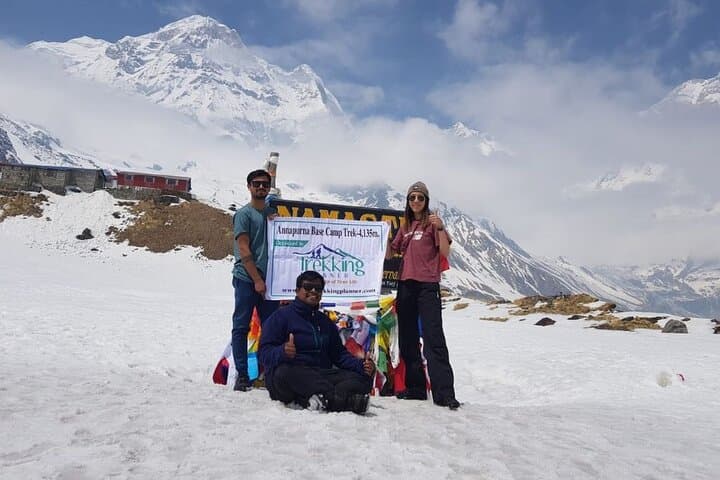
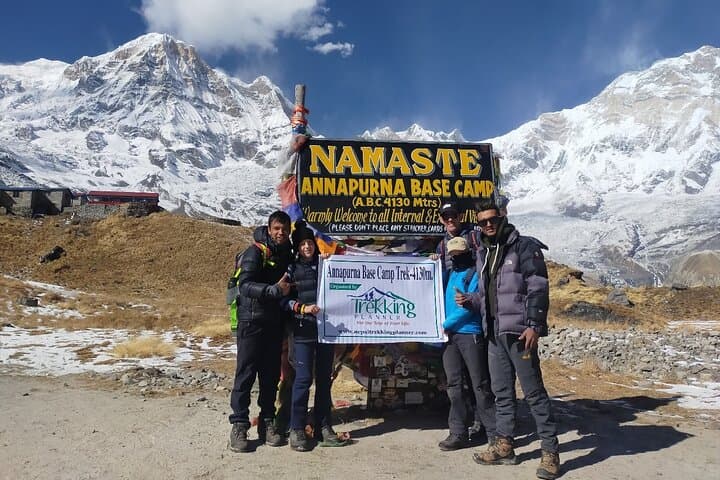
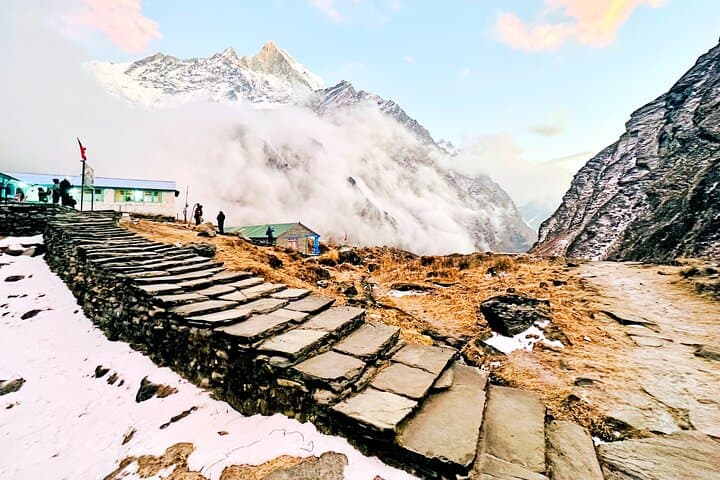
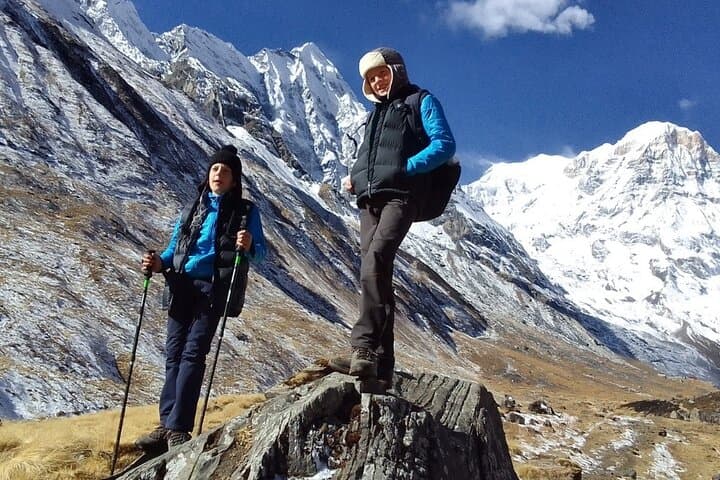
A cold dawn in the Pokhara hills, prayer flags flapping, signals the start of a steady climb toward the amphitheater of rock that is Annapurna Sanctuary. The trail moves from terraced rice fields into rhododendron and pine forests, follows the Modì River through narrow gorges, and finally opens onto the high, windswept plateau of Annapurna Base Camp beneath hulking snow faces.
A cold dawn in the Pokhara hills, prayer flags flapping, signals the start of a steady climb toward the amphitheater of rock that is Annapurna Sanctuary. The trail moves from terraced rice fields into rhododendron and pine forests, follows the Modì River through narrow gorges, and finally opens onto the high, windswept plateau of Annapurna Base Camp beneath hulking snow faces.
This compact eight-day route threads centuries of Gurung culture and mountain history: trail-side villages that once guided traders and now host tea-house hospitality; the Annapurna massif itself, forged by tectonic collision and shaped by glacial carving. Geologically, the sanctuary is a bowl of glacial moraine ringed by 6,000–8,000m peaks—Annapurna I looms with a notorious reputation among climbers while Machhapuchare (Fish Tail) keeps its summit sacred and unclimbed.
Trekkers should expect packed stone steps, steep ridgelines, narrow forested paths, and alpine scree above 3,000 m. Lodges provide basic rooms and hot meals; water needs treatment above lower elevations. Altitude is the key variable—pace and hydration matter more than speed.
Practical planning: start in Pokhara and allow an acclimatization-aware schedule; bring layered clothing for big daytime swings and a warm sleeping bag for nights near 4,000 m. Best hiking windows are spring and autumn for clearer mountain views, but monsoon-green valleys and winter’s crisp solitude each have trade-offs. Carry cash for village purchases and budget extra time for weather or group pace. With straightforward navigation and reliable trail services, this short ABC trek packs high alpine reward into a week of immersive Himalayan travel.