THE ADVENTURE COLLECTIVE® · Independent discovery and booking for outdoor travel

Board a first-class sleeper train and travel from Cairo’s Pyramids to Luxor’s open-air temples, then downriver to Aswan and the relocated grandeur of Abu Simbel. This 8-day cultural overland tour pairs top archaeological sites with practical travel logistics for an efficient, immersive run through Ancient Egypt.
Board a first-class sleeper train and travel from Cairo’s Pyramids to Luxor’s open-air temples, then downriver to Aswan and the relocated grandeur of Abu Simbel. This 8-day cultural overland tour pairs top archaeological sites with practical travel logistics for an efficient, immersive run through Ancient Egypt.
The train slides out of Cairo at dawn and the Nile plain unfurls like a slow-moving promise: arid desert pressing against a green ribbon where palms lean toward the river as if eavesdropping on history. Within days you’ll swap Cairo’s canyon of traffic for temple avenues in Luxor, cliff-side mortuary complexes at Abu Simbel, and the quiet colonnades of Karnak.
Verified experiences and guided adventures in the surrounding area.
Operated by Khonsu Tours · Cairo, Cairo
The train slides out of Cairo at dawn and the Nile plain unfurls like a slow-moving promise: arid desert pressing against a green ribbon where palms lean toward the river as if eavesdropping on history. Within days you’ll swap Cairo’s canyon of traffic for temple avenues in Luxor, cliff-side mortuary complexes at Abu Simbel, and the quiet colonnades of Karnak.
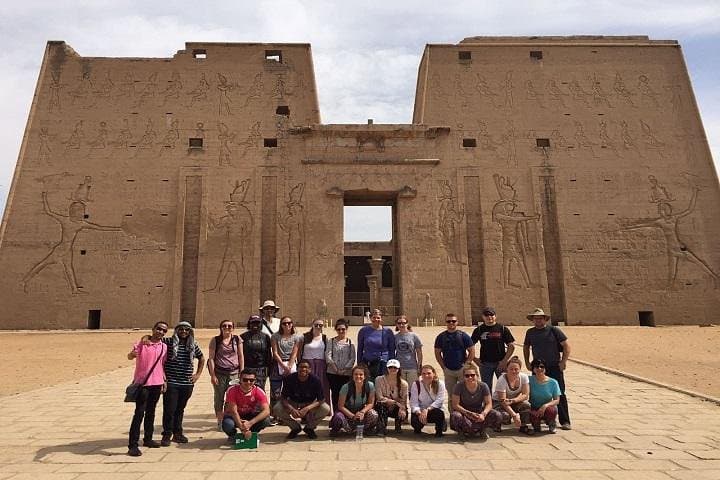
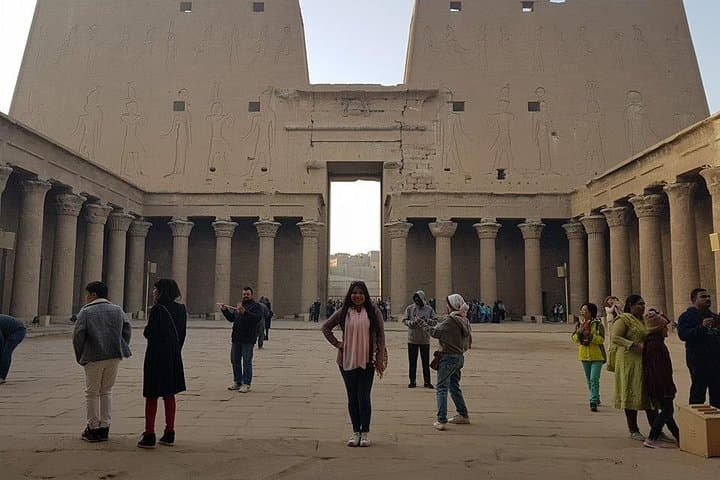
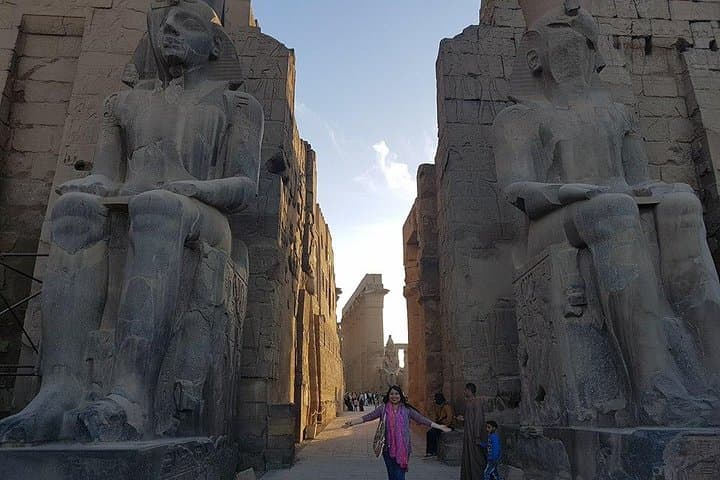
This itinerary threads Egypt’s most consequential sites: the Giza Plateau and Sphinx, Saqqara’s Step Pyramid (one of the earliest large-scale stone structures), the Egyptian Museum’s cache of New Kingdom treasure, then south by first-class sleeper train to Luxor — the site of ancient Thebes — and onward to Edfu, Kom Ombo, Aswan and the relocated Abu Simbel temples. Geologically the route follows the Nile’s fertile floodplain bounded by Pharaonic limestone cliffs and man-made reservoirs like Lake Nasser, artifacts of modern engineering that reshaped ancient landscapes.
Practical guidance: pace your days for heat and queues; key logistics include passport details for booking, optional internal tickets (pyramid interior, select KV tombs), and a 3‑hour road transfer to Abu Simbel. Expect long walking stretches on uneven stone, steps in tombs, and early starts to avoid midday heat. Hydrate, carry sun protection and comfortable footwear, and budget time for museum lines and photo stops.
This is a travel experience built around archaeology and transport: bring curiosity, enough stamina for full touring days, and a readiness to be moved by places that shaped recorded history.
moderate.
8 days.
Light to moderate fitness; able to handle several hours of walking and stairs each day and some long travel segments.
Most nationalities require a visa; check current requirements and whether you can obtain one on arrival or must apply beforehand.
First-class sleeper trains provide private compartments and basic comforts; luggage is stored inside your compartment and staff assist with boarding.
Yes, but interior access requires a separate, limited-ticket purchase and has restrictions; confirm availability in advance.
This tour includes breakfast, lunch and dinner on specified days and a qualified Egyptologist guide as noted in the itinerary.
The route links Egypt’s Pharaonic capitals—Memphis, Thebes—and monuments that span from the Old Kingdom’s Step Pyramid to New Kingdom valley tombs and Ptolemaic temples.
Large visitor numbers stress fragile painted tomb interiors and sandstone reliefs; follow site rules, avoid flash photography where prohibited, and use licensed guides to support sustainable site management.
Khonsu Tours operates guided outdoor trips and adventures with an emphasis on safety, stewardship, and memorable experiences.
The train slides out of Cairo at dawn and the Nile plain unfurls like a slow-moving promise: arid desert pressing against a green ribbon where palms lean toward the river as if eavesdropping on history. Within days you’ll swap Cairo’s canyon of traffic for temple avenues in Luxor, cliff-side mortuary complexes at Abu Simbel, and the quiet colonnades of Karnak.
The train slides out of Cairo at dawn and the Nile plain unfurls like a slow-moving promise: arid desert pressing against a green ribbon where palms lean toward the river as if eavesdropping on history. Within days you’ll swap Cairo’s canyon of traffic for temple avenues in Luxor, cliff-side mortuary complexes at Abu Simbel, and the quiet colonnades of Karnak.
This itinerary threads Egypt’s most consequential sites: the Giza Plateau and Sphinx, Saqqara’s Step Pyramid (one of the earliest large-scale stone structures), the Egyptian Museum’s cache of New Kingdom treasure, then south by first-class sleeper train to Luxor — the site of ancient Thebes — and onward to Edfu, Kom Ombo, Aswan and the relocated Abu Simbel temples. Geologically the route follows the Nile’s fertile floodplain bounded by Pharaonic limestone cliffs and man-made reservoirs like Lake Nasser, artifacts of modern engineering that reshaped ancient landscapes.
Practical guidance: pace your days for heat and queues; key logistics include passport details for booking, optional internal tickets (pyramid interior, select KV tombs), and a 3‑hour road transfer to Abu Simbel. Expect long walking stretches on uneven stone, steps in tombs, and early starts to avoid midday heat. Hydrate, carry sun protection and comfortable footwear, and budget time for museum lines and photo stops.
This is a travel experience built around archaeology and transport: bring curiosity, enough stamina for full touring days, and a readiness to be moved by places that shaped recorded history.