THE ADVENTURE COLLECTIVE® · Independent discovery and booking for outdoor travel

Explore 700 years of Ancestral Puebloan life on a four-hour, interpretive coach tour of Mesa Verde. Visit pithouses, kivas and cliff dwellings with NAI-certified guides while walking short, surfaced paths and soaking up high-desert panoramas.
Explore 700 years of Ancestral Puebloan life on a four-hour, interpretive coach tour of Mesa Verde. Visit pithouses, kivas and cliff dwellings with NAI-certified guides while walking short, surfaced paths and soaking up high-desert panoramas.
You step off the coach at Far View Terrace, Mile Marker 15, the wind carrying high-desert cold and a clear view across sandstone mesas. The bus hums away and an interpretive guide—National Association for Interpretation certified—begins to map 700 years of human habitation across ledges, pithouses and kivas. The landscape is immediate: cliffs cut by ancient drainage, scrub piñon and juniper, and the carved alcoves that would host entire pueblos.
Verified experiences and guided adventures in the surrounding area.
Operated by Mesa Verde National Park · Mesa Verde National Park, Colorado
You step off the coach at Far View Terrace, Mile Marker 15, the wind carrying high-desert cold and a clear view across sandstone mesas. The bus hums away and an interpretive guide—National Association for Interpretation certified—begins to map 700 years of human habitation across ledges, pithouses and kivas. The landscape is immediate: cliffs cut by ancient drainage, scrub piñon and juniper, and the carved alcoves that would host entire pueblos.
Geology here is blunt and readable: the sandstone of the Colorado Plateau erodes into benches and overhangs that sheltered Ancestral Puebloan builders. From A.D. 600 pithouse villages to the Classic Pueblo cliff dwellings of the 13th century, the tour threads architecture, agriculture and ritual into a single route. You’ll see Sun Temple’s open plaza, Fewkes Canyon overlooks, and walks near Oak Tree House and Fire Temple; guides link these ruins to seasonal farming, trade routes and ceremonial life.
Cultural context matters—this is Navajo, Ute and Pueblo country today, and Mesa Verde is a UNESCO World Heritage Site preserved for public education.
Practicalities are straightforward: the tour lasts about four hours, includes coach transport between overlooks, modest walking on uneven stone and boardwalks, and bottled water. Elevation sits near 7,000 ft—take it slower if you’re not acclimated. Wear closed-toe shoes, sun protection and a light insulating layer; bathrooms and parking are available at Far View Terrace. Entry to the park is not included, and gratuities for guides are appreciated. This half-day run is ideal for travelers who want concentrated context and access without extended backcountry hiking.
moderate.
4 hours.
Moderate fitness; expect short to moderate walks on uneven terrain and some staircases at cliff sites
The tour is four hours, includes coach transportation between overlooks, bottled water, an NAI-certified interpretive guide and local taxes; Mesa Verde park entry fee is not included.
Meet outside Far View Terrace Cafe at Mile Marker 15 inside Mesa Verde National Park; ample free parking is available for the tour’s duration.
Yes—some accommodations are offered and the itinerary notes ADA-accessible visits to Spruce Tree House and the Chapin Mesa Museum; contact the operator for specifics and mobility limitations.
Children must be accompanied by an adult; the tour recommends moderate fitness and is not advised for travelers with serious heart conditions due to altitude and walking requirements.
Mesa Verde preserves Ancestral Puebloan sites spanning roughly A.D. 600–1300; its cliff dwellings date primarily to the 13th century and reflect complex social and ceremonial life.
Park management limits visitor impact via designated trails, interpretive programs and seasonal closures; follow Leave No Trace principles and avoid touching ruins to protect pigments and stone.
Mesa Verde National Park operates guided outdoor trips and adventures with an emphasis on safety, stewardship, and memorable experiences.
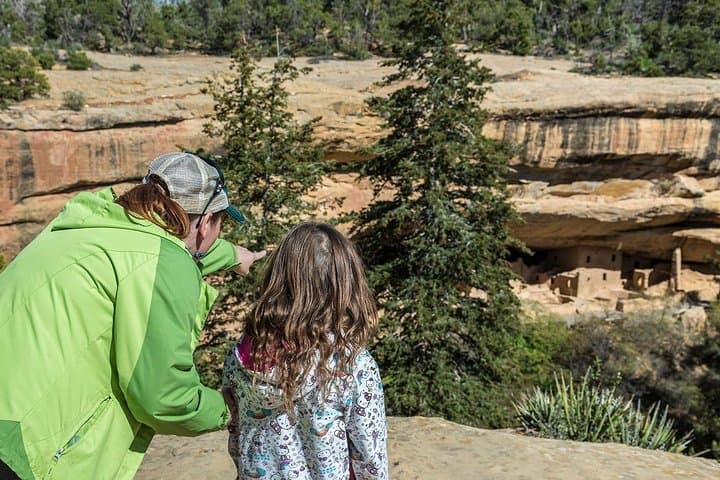
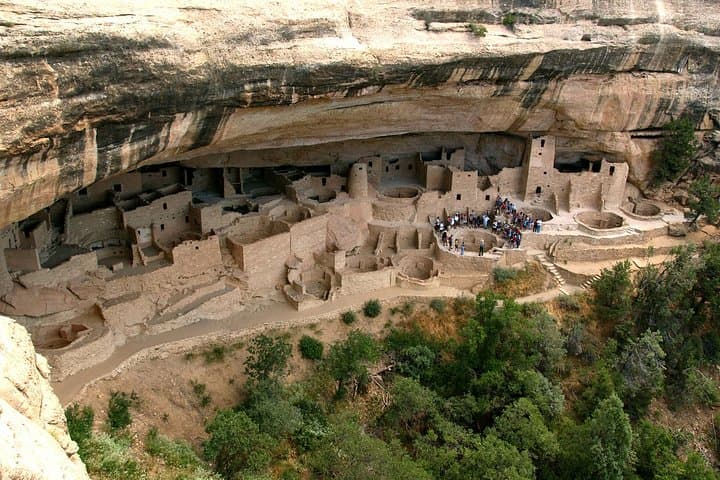
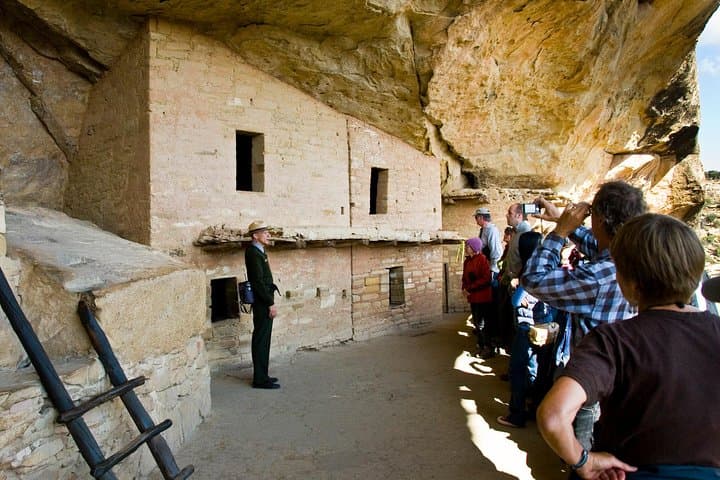
You step off the coach at Far View Terrace, Mile Marker 15, the wind carrying high-desert cold and a clear view across sandstone mesas. The bus hums away and an interpretive guide—National Association for Interpretation certified—begins to map 700 years of human habitation across ledges, pithouses and kivas. The landscape is immediate: cliffs cut by ancient drainage, scrub piñon and juniper, and the carved alcoves that would host entire pueblos.
You step off the coach at Far View Terrace, Mile Marker 15, the wind carrying high-desert cold and a clear view across sandstone mesas. The bus hums away and an interpretive guide—National Association for Interpretation certified—begins to map 700 years of human habitation across ledges, pithouses and kivas. The landscape is immediate: cliffs cut by ancient drainage, scrub piñon and juniper, and the carved alcoves that would host entire pueblos.
Geology here is blunt and readable: the sandstone of the Colorado Plateau erodes into benches and overhangs that sheltered Ancestral Puebloan builders. From A.D. 600 pithouse villages to the Classic Pueblo cliff dwellings of the 13th century, the tour threads architecture, agriculture and ritual into a single route. You’ll see Sun Temple’s open plaza, Fewkes Canyon overlooks, and walks near Oak Tree House and Fire Temple; guides link these ruins to seasonal farming, trade routes and ceremonial life.
Cultural context matters—this is Navajo, Ute and Pueblo country today, and Mesa Verde is a UNESCO World Heritage Site preserved for public education.
Practicalities are straightforward: the tour lasts about four hours, includes coach transport between overlooks, modest walking on uneven stone and boardwalks, and bottled water. Elevation sits near 7,000 ft—take it slower if you’re not acclimated. Wear closed-toe shoes, sun protection and a light insulating layer; bathrooms and parking are available at Far View Terrace. Entry to the park is not included, and gratuities for guides are appreciated. This half-day run is ideal for travelers who want concentrated context and access without extended backcountry hiking.