THE ADVENTURE COLLECTIVE® · Independent discovery and booking for outdoor travel

Float between temples on a 7-night Nile cruise from Luxor, pairing sunrise hot-air ballooning over the Valley of the Kings with guided visits to Abu Simbel, Karnak, Edfu and Philae. Read on for what to expect, when to go, and practical tips for the river route.
Float between temples on a 7-night Nile cruise from Luxor, pairing sunrise hot-air ballooning over the Valley of the Kings with guided visits to Abu Simbel, Karnak, Edfu and Philae. Read on for what to expect, when to go, and practical tips for the river route.
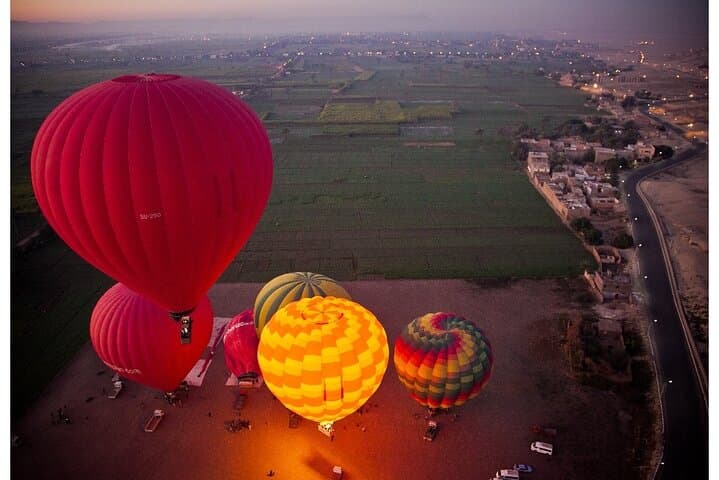
Dawn lifts a gold ribbon across the Nile as the cruise slips away from Luxor's quay. On deck the river breathes warm air; palms and mudbrick villages slide past while the boat hums toward temples half a world away in time. Early-morning hot-air balloons puncture the sky over the Valley of the Kings; later, colossal stone faces at Abu Simbel stare southward, unchanged in scale if not in story.
Verified experiences and guided adventures in the surrounding area.
Operated by Book Your Tours · Luxor, Luxor Governorate
Dawn lifts a gold ribbon across the Nile as the cruise slips away from Luxor's quay. On deck the river breathes warm air; palms and mudbrick villages slide past while the boat hums toward temples half a world away in time. Early-morning hot-air balloons puncture the sky over the Valley of the Kings; later, colossal stone faces at Abu Simbel stare southward, unchanged in scale if not in story.
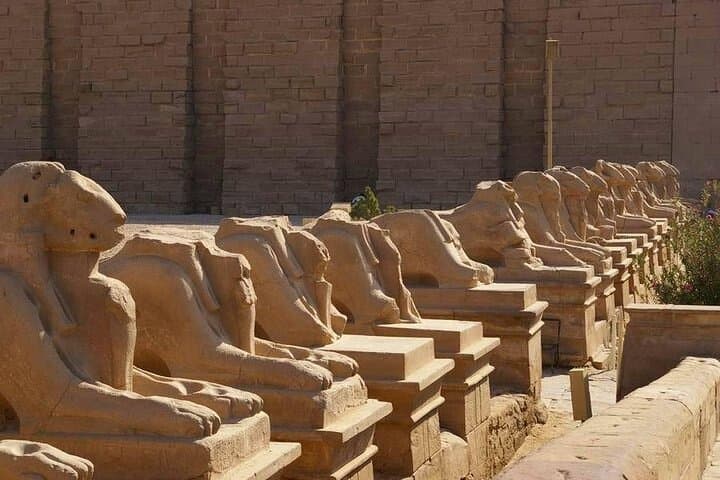
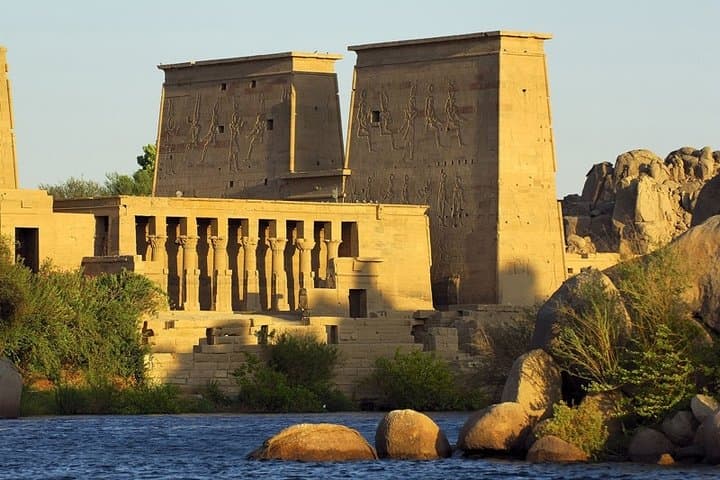
The itinerary threads classical Egypt: Karnak and Luxor temples on the eastern bank, the tombs carved into the West Bank cliffs, Ptolemaic shrines at Edfu and Kom Ombo, and the island temple of Philae beside the Aswan High Dam. Geologically the Nile corridor cuts through alluvial floodplain and older sandstone and limestone outcrops; many temples were quarried from local stone, transported and aligned to solar events. Culturally, this stretch is Nubian and Pharaonic—expect stone reliefs, Arabic and Nubian crafts, and markets in Aswan.
Practical notes: this is a 7-night cruise with guided shore excursions and hotel-style cabin amenities; expect multiple short walks, stairs in temples, and one long transfer for the Abu Simbel visit. Best seasons are cooler months (October–April). Bring sun protection, a reusable water bottle, comfortable walking shoes for uneven stone, and modest clothing for sacred sites. Mornings are the most comfortable for balloon flights and tomb visits; reserve those early slots. The operator handles transfers, most meals and an Egyptology guide—so you focus on reading hieroglyphs by the water and letting the Nile carry you between millennia.
moderate.
7–8 days.
Light to moderate fitness; able to walk 1–3 miles a day on uneven ground and climb temple steps.
Operators typically include an air-conditioned minibus transfer or optional flight; the excursion is a long-day trip south of Aswan, so expect several hours round-trip travel.
Balloon companies usually set minimum age and weight limits and fly in suitable weather; check operator policies before booking and notify guides of children or pregnancy.
N/A
Carry small Egyptian pounds for market purchases and tips; standard tip culture applies for guides, crew and drivers—ask your guide for current recommendations.
This route traces Upper Egypt’s Pharaonic heartland; Abu Simbel and many temples date to Ramses II and the Ptolemaic era, later reshaped by Roman and Islamic periods.
The relocation of Abu Simbel in the 1960s is a major conservation story; visitors should follow site rules, avoid touching reliefs, and minimize single-use plastics to reduce impact.
Book Your Tours operates guided outdoor trips and adventures with an emphasis on safety, stewardship, and memorable experiences.

Dawn lifts a gold ribbon across the Nile as the cruise slips away from Luxor's quay. On deck the river breathes warm air; palms and mudbrick villages slide past while the boat hums toward temples half a world away in time. Early-morning hot-air balloons puncture the sky over the Valley of the Kings; later, colossal stone faces at Abu Simbel stare southward, unchanged in scale if not in story.
Dawn lifts a gold ribbon across the Nile as the cruise slips away from Luxor's quay. On deck the river breathes warm air; palms and mudbrick villages slide past while the boat hums toward temples half a world away in time. Early-morning hot-air balloons puncture the sky over the Valley of the Kings; later, colossal stone faces at Abu Simbel stare southward, unchanged in scale if not in story.
The itinerary threads classical Egypt: Karnak and Luxor temples on the eastern bank, the tombs carved into the West Bank cliffs, Ptolemaic shrines at Edfu and Kom Ombo, and the island temple of Philae beside the Aswan High Dam. Geologically the Nile corridor cuts through alluvial floodplain and older sandstone and limestone outcrops; many temples were quarried from local stone, transported and aligned to solar events. Culturally, this stretch is Nubian and Pharaonic—expect stone reliefs, Arabic and Nubian crafts, and markets in Aswan.
Practical notes: this is a 7-night cruise with guided shore excursions and hotel-style cabin amenities; expect multiple short walks, stairs in temples, and one long transfer for the Abu Simbel visit. Best seasons are cooler months (October–April). Bring sun protection, a reusable water bottle, comfortable walking shoes for uneven stone, and modest clothing for sacred sites. Mornings are the most comfortable for balloon flights and tomb visits; reserve those early slots. The operator handles transfers, most meals and an Egyptology guide—so you focus on reading hieroglyphs by the water and letting the Nile carry you between millennia.