THE ADVENTURE COLLECTIVE® · Independent discovery and booking for outdoor travel

A seven-night Nile cruise from Luxor to Aswan links some of Egypt's most famous temples with a sunrise balloon, island shrines and shore excursions. This itinerary blends relaxed river travel with daily guided walks across millennia of history.
A seven-night Nile cruise from Luxor to Aswan links some of Egypt's most famous temples with a sunrise balloon, island shrines and shore excursions. This itinerary blends relaxed river travel with daily guided walks across millennia of history.
Dawn breaks soft over the Nile as the cruise slips from Luxor's quay and the river dares you to slow down. On deck, the water catches the rising light while palm-lined banks and feluccas slide past; below, ancient stone keeps its silence until the ship docks.
Verified experiences and guided adventures in the surrounding area.
Operated by Book Your Tours · Luxor, Luxor Governorate
Dawn breaks soft over the Nile as the cruise slips from Luxor's quay and the river dares you to slow down. On deck, the water catches the rising light while palm-lined banks and feluccas slide past; below, ancient stone keeps its silence until the ship docks.
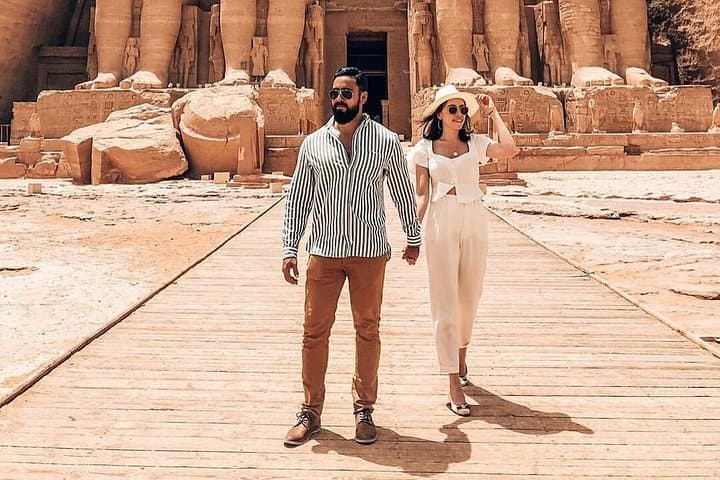
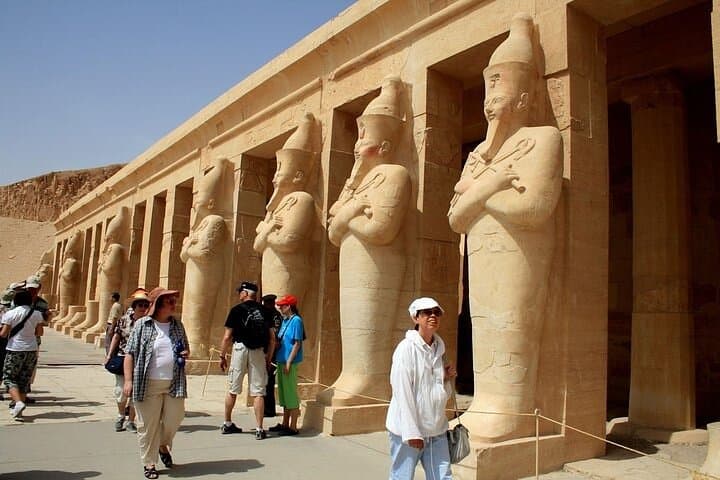
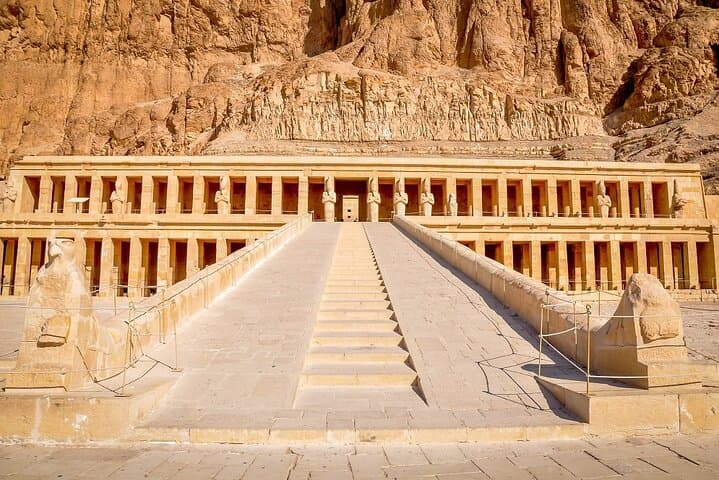
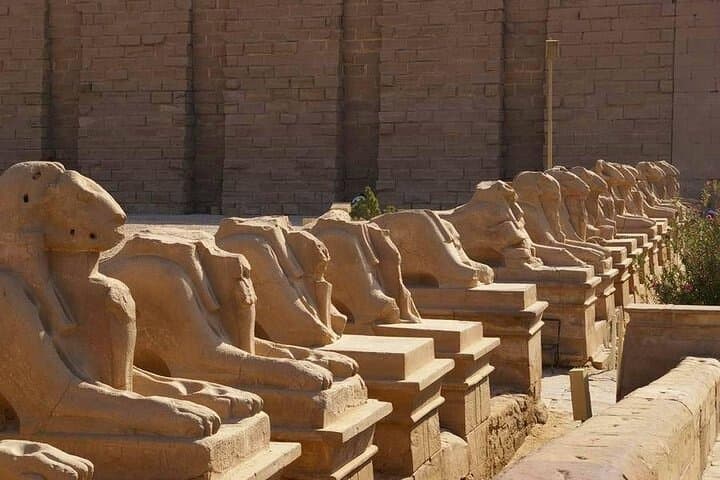
This seven-night voyage threads Egypt's Upper Nile—Luxor, Edfu, Kom Ombo, Aswan and Abu Simbel—linking Pharaonic temples carved from sandstone to modern feats like the Aswan High Dam. Geologically the Nile carved a narrow floodplain through sedimentary rock, concentrating settlements on its banks; culturally the river is still the spine of rural life and Nubian communities in the south. Abu Simbel's relocation and the Philae temple's island setting are reminders of 20th-century conservation and engineering on a landscape shaped by millennia.
Expect guided shore excursions, short to moderate walks across uneven stone and staircases, plus a sunrise hot air balloon over the Valley of the Kings. Cabins include basic facilities and most meals; Wi‑Fi may be limited. Practicalities matter: flights between Luxor and Cairo or Aswan connections are common, tipping customs apply, and temperatures swing from cool mornings to intense sun by midday.
Bring sun protection, comfortable walking shoes with grip, modest clothing for temple visits, and a small daypack for water and camera. Plan early starts to avoid heat, keep copies of travel documents, and respect restricted areas—archaeological sites are fragile. The Nile invites a steady pace: move with it and you’ll leave with layered impressions of river life, monumental stone, and desert light.
moderate.
7–8 days.
Suitable for travelers in average fitness who can manage multiple short hikes, stairs and standing during guided tours.
Balloon rides are included on the itinerary as a scheduled excursion; confirm timing with the operator since launches depend on weather.
Most meals (breakfast, lunch, dinner) are included and the ship advertises limited complimentary Wi‑Fi (often up to a data cap); expect intermittent connectivity.
The listing notes wheelchair-accessible transport and surfaces, but many temple sites have stairs and uneven ground—contact the operator to discuss specific needs before booking.
Abu Simbel sits about 280 km south of Aswan by road; the itinerary typically includes a long-day excursion or flight option to visit the complex.
This route follows the Nile corridor where pharaohs built funerary cities and monumental temples; modern conservation efforts like the relocation of Abu Simbel preserve those sites.
Tourism pressures and river development affect fragile sites and local communities—minimize waste, follow site rules and support licensed local guides.
Book Your Tours operates guided outdoor trips and adventures with an emphasis on safety, stewardship, and memorable experiences.
Dawn breaks soft over the Nile as the cruise slips from Luxor's quay and the river dares you to slow down. On deck, the water catches the rising light while palm-lined banks and feluccas slide past; below, ancient stone keeps its silence until the ship docks.
Dawn breaks soft over the Nile as the cruise slips from Luxor's quay and the river dares you to slow down. On deck, the water catches the rising light while palm-lined banks and feluccas slide past; below, ancient stone keeps its silence until the ship docks.
This seven-night voyage threads Egypt's Upper Nile—Luxor, Edfu, Kom Ombo, Aswan and Abu Simbel—linking Pharaonic temples carved from sandstone to modern feats like the Aswan High Dam. Geologically the Nile carved a narrow floodplain through sedimentary rock, concentrating settlements on its banks; culturally the river is still the spine of rural life and Nubian communities in the south. Abu Simbel's relocation and the Philae temple's island setting are reminders of 20th-century conservation and engineering on a landscape shaped by millennia.
Expect guided shore excursions, short to moderate walks across uneven stone and staircases, plus a sunrise hot air balloon over the Valley of the Kings. Cabins include basic facilities and most meals; Wi‑Fi may be limited. Practicalities matter: flights between Luxor and Cairo or Aswan connections are common, tipping customs apply, and temperatures swing from cool mornings to intense sun by midday.
Bring sun protection, comfortable walking shoes with grip, modest clothing for temple visits, and a small daypack for water and camera. Plan early starts to avoid heat, keep copies of travel documents, and respect restricted areas—archaeological sites are fragile. The Nile invites a steady pace: move with it and you’ll leave with layered impressions of river life, monumental stone, and desert light.