THE ADVENTURE COLLECTIVE® · Independent discovery and booking for outdoor travel

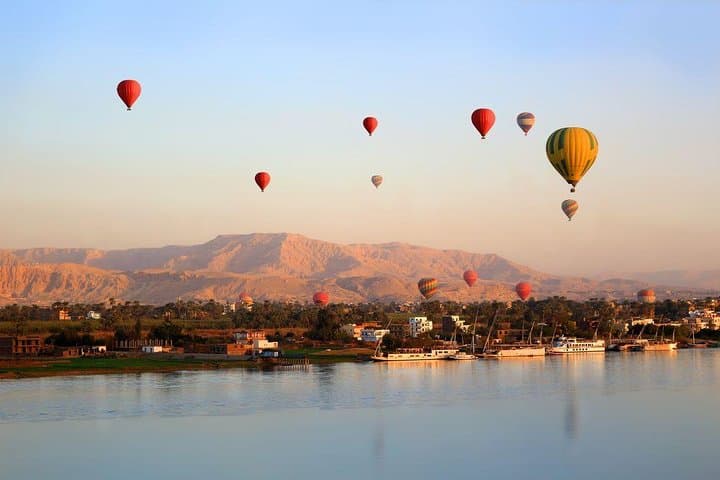
Trace Egypt’s greatest hits in a week: Giza’s pyramids, hot air ballooning over Luxor, three nights on a five-star Nile cruise, and a sunrise pilgrimage to Abu Simbel. This practical itinerary pairs relaxed river travel with guided archaeology stops and well-timed transfers.
Trace Egypt’s greatest hits in a week: Giza’s pyramids, hot air ballooning over Luxor, three nights on a five-star Nile cruise, and a sunrise pilgrimage to Abu Simbel. This practical itinerary pairs relaxed river travel with guided archaeology stops and well-timed transfers.
Dawn breaks over the Giza plateau and the desert seems to inhale—the three pyramids silhouette against a pale sky while Cairo wakes beneath them. A few days later you’re drifting along the Nile at sunset, palm-lined banks sliding past like a slow-moving film. This seven-night loop stitches Cairo’s ancient skyline to Upper Egypt’s riverine villages: Luxor’s open-air museums, the West Bank’s tombs, Kom Ombo’s twin shrines, and the monumental twin statues at Abu Simbel.
Verified experiences and guided adventures in the surrounding area.
Operated by Charming Egypt Tours · Cairo, Cairo Governorate
Dawn breaks over the Giza plateau and the desert seems to inhale—the three pyramids silhouette against a pale sky while Cairo wakes beneath them. A few days later you’re drifting along the Nile at sunset, palm-lined banks sliding past like a slow-moving film. This seven-night loop stitches Cairo’s ancient skyline to Upper Egypt’s riverine villages: Luxor’s open-air museums, the West Bank’s tombs, Kom Ombo’s twin shrines, and the monumental twin statues at Abu Simbel.
Egypt’s story is carved into sandstone and granite. The Nile’s annual flood built the fertile ribbon that supported pharaonic civilization; the Valley of the Kings cuts into the limestone of the Theban Plateau; Abu Simbel’s relocation in the 1960s tamed the threat of rising lake levels behind the Aswan High Dam. Local culture still centers on river life—small feluccas, fishermen, and village markets—while Nubian communities to the south add distinct crafts and music.
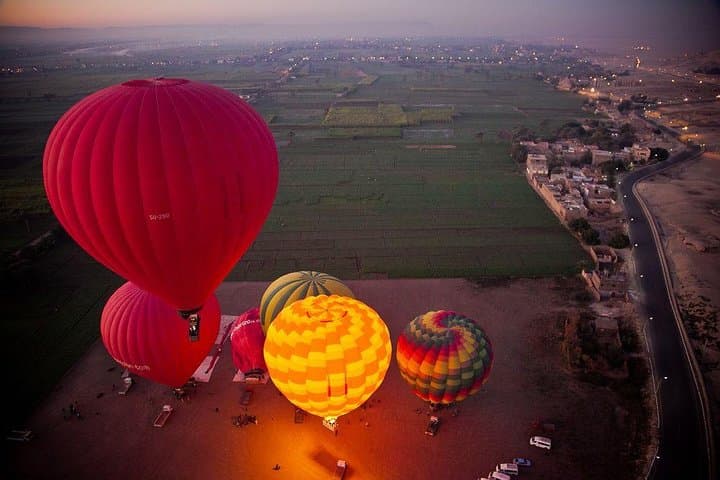
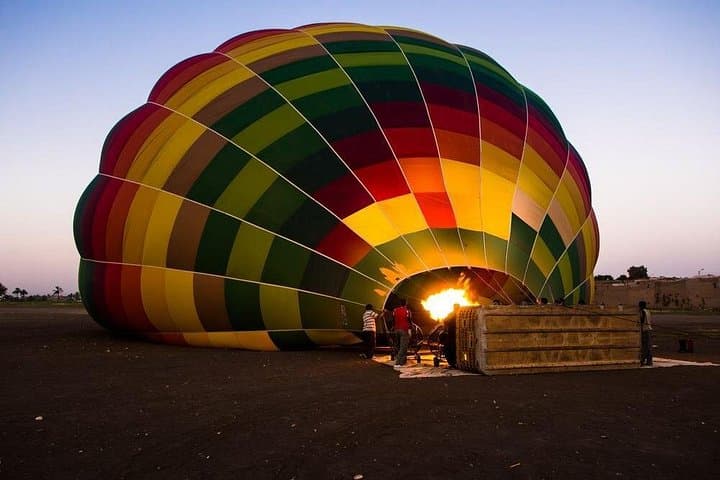
Practical guidance: expect early starts for balloons and temple visits, bring sun-protective layers, and keep a water bottle handy—the air is dry and unforgiving. Pack modest clothing for religious and historic sites; comfortable shoes for uneven temple floors and tomb steps. Night trains and a three-night, five-star cruise form the backbone of the itinerary—plan light carry-ons and secure valuables. Learn basic Egyptian pounds and carry small notes for tips and snacks.
This trip balances relaxed river travel with pick-up-and-go touring: long on history, short on strenuous hiking, and rich in photographic moments from the city to the river.
easy.
7–8 days.
Suitable for most fitness levels; requires stamina for early mornings and getting on/off boats and trains.
Most nationalities require a visa for Egypt—check current government requirements and obtain an e-Visa or visa on arrival where applicable before travel.
Licensed operators run balloon flights around Luxor with pre-flight briefings; choose included, insured operators and follow crew instructions.
The tour is not physically demanding but involves early starts, stairs inside tombs, and moving between trains, boats, and hotels—mobility helps.
Carry Egyptian pounds for small purchases and tips; tipping (baksheesh) is customary for guides, drivers, and service staff—small notes are useful.
The Nile’s role as lifeline shaped pharaonic civilization; many temples and tombs date to the New Kingdom (16th–11th century BCE) and were later repositioned or preserved during modern projects like the Aswan High Dam relocation.
Tourism carries pressure on fragile sites—follow site rules, avoid touching carvings, and use designated paths; support local guides and community-run crafts to aid conservation.
Charming Egypt Tours operates guided outdoor trips and adventures with an emphasis on safety, stewardship, and memorable experiences.
Dawn breaks over the Giza plateau and the desert seems to inhale—the three pyramids silhouette against a pale sky while Cairo wakes beneath them. A few days later you’re drifting along the Nile at sunset, palm-lined banks sliding past like a slow-moving film. This seven-night loop stitches Cairo’s ancient skyline to Upper Egypt’s riverine villages: Luxor’s open-air museums, the West Bank’s tombs, Kom Ombo’s twin shrines, and the monumental twin statues at Abu Simbel.
Dawn breaks over the Giza plateau and the desert seems to inhale—the three pyramids silhouette against a pale sky while Cairo wakes beneath them. A few days later you’re drifting along the Nile at sunset, palm-lined banks sliding past like a slow-moving film. This seven-night loop stitches Cairo’s ancient skyline to Upper Egypt’s riverine villages: Luxor’s open-air museums, the West Bank’s tombs, Kom Ombo’s twin shrines, and the monumental twin statues at Abu Simbel.
Egypt’s story is carved into sandstone and granite. The Nile’s annual flood built the fertile ribbon that supported pharaonic civilization; the Valley of the Kings cuts into the limestone of the Theban Plateau; Abu Simbel’s relocation in the 1960s tamed the threat of rising lake levels behind the Aswan High Dam. Local culture still centers on river life—small feluccas, fishermen, and village markets—while Nubian communities to the south add distinct crafts and music.
Practical guidance: expect early starts for balloons and temple visits, bring sun-protective layers, and keep a water bottle handy—the air is dry and unforgiving. Pack modest clothing for religious and historic sites; comfortable shoes for uneven temple floors and tomb steps. Night trains and a three-night, five-star cruise form the backbone of the itinerary—plan light carry-ons and secure valuables. Learn basic Egyptian pounds and carry small notes for tips and snacks.
This trip balances relaxed river travel with pick-up-and-go touring: long on history, short on strenuous hiking, and rich in photographic moments from the city to the river.