THE ADVENTURE COLLECTIVE® · Independent discovery and booking for outdoor travel

Trace seven nights through Egypt’s greatest sites: the Giza Plateau, a Luxor sunrise balloon, a multi‑night Nile cruise and Abu Simbel’s monumental temples. This practical guide outlines what to expect, when to pack, and how to make the most of a compact Egyptology itinerary.
Trace seven nights through Egypt’s greatest sites: the Giza Plateau, a Luxor sunrise balloon, a multi‑night Nile cruise and Abu Simbel’s monumental temples. This practical guide outlines what to expect, when to pack, and how to make the most of a compact Egyptology itinerary.
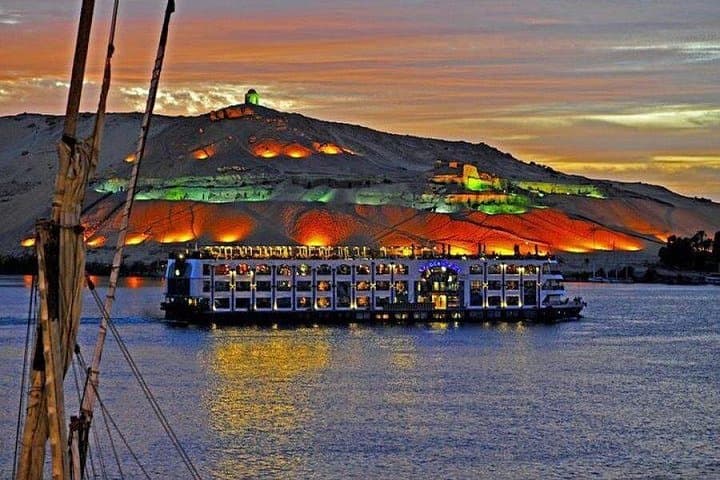
You stand on the plateau outside Giza as morning light strips the desert flat and the Pyramids cut hard silhouettes against the sky. The Nile waits like a slow ribbon to the south — a green promise between stone and sand — and by evening you'll be stepping aboard a five‑star dahabiya-style cruise where decks hum with conversation and the river urges you onward.
Verified experiences and guided adventures in the surrounding area.
Operated by Special trips · Cairo, Cairo Governorate
You stand on the plateau outside Giza as morning light strips the desert flat and the Pyramids cut hard silhouettes against the sky. The Nile waits like a slow ribbon to the south — a green promise between stone and sand — and by evening you'll be stepping aboard a five‑star dahabiya-style cruise where decks hum with conversation and the river urges you onward.
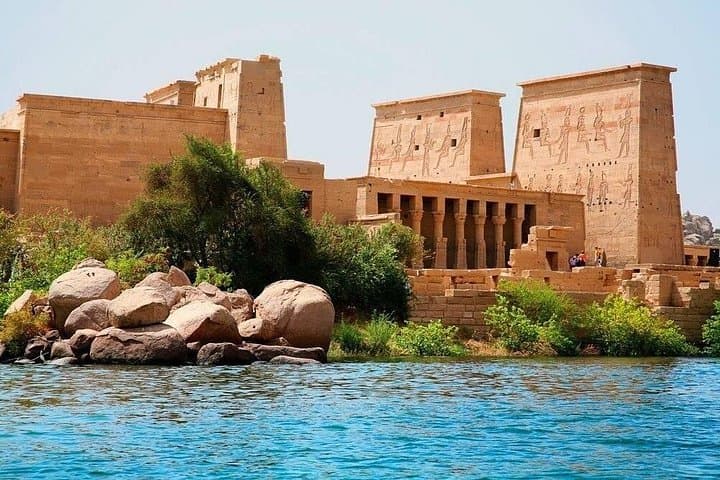
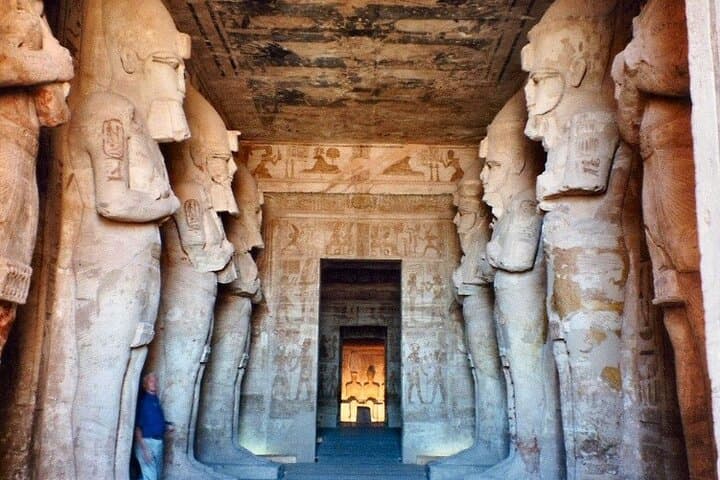
This seven-night route stitches the country’s most iconic layers: the Old Kingdom monuments of Giza and the Sphinx, the New Kingdom wealth of Karnak and the Valley of the Kings in Luxor, and the relocated grandeur of Abu Simbel near Aswan. Geologically the corridor follows the Nile floodplain — low elevation, fertile alluvium and exposed sandstone scarps that host temple facades carved into the rock. Culturally it’s millennia of riverine life: pharaonic ritual sites, Nubian villages on the banks, and modern cities that grew where water was reliable.
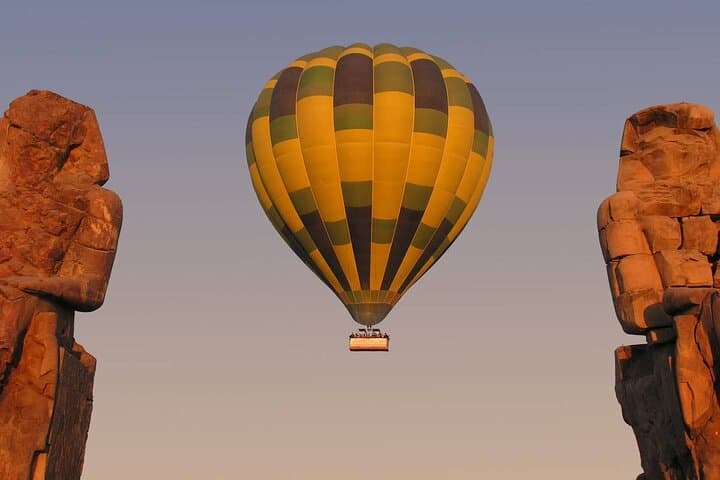
Expect early starts (the Abu Simbel run is typically a pre-dawn expedition), guided walks across dusty temple courts, and a sunrise hot-air balloon over Luxor’s west bank — brief but cinematic. Between sites you’ll relax on the cruise’s sun deck as the river pulls you past falcon statues and small craft.
Practical guidance: carry a brimmed hat, lightweight layers and sturdy walking shoes; hydration is essential in Egypt’s dry climate. Plan for variable schedules — Nile itineraries can shift with river conditions — and budget for entrance fees, gratuities and optional upgrades (sleeper train or hotel class). Arrive with a flexible mindset and you’ll leave with concentrated history and river-borne memories.
moderate.
7–8 days.
Moderate fitness for repeated site walking, stairs in tombs and early mornings; not technically demanding but stamina helps.
Many nationalities require a tourist visa for Egypt—check your consulate or the e‑visa system before travel and arrange it in advance if possible.
Balloon companies in Luxor follow safety protocols and flights typically last 45–60 minutes; flights can be canceled for weather and may offer partial refunds.
Yes—Abu Simbel is included, usually as an early morning excursion from Aswan; timing can be long (multi‑hour round trip) but is designed to avoid heat and crowds.
The itinerary includes many meals on board the cruise and listed site visits, but expect to pay for some optional extras, personal purchases and certain entrance fees not specified in the program.
This corridor follows the Nile, the artery of pharaonic civilization; temples and tombs line its banks because the river defined agriculture, transport and ritual across millennia.
Tourism pressure and river development affect fragile archaeological settings; travelers can reduce impact by sticking to paths, avoiding flash photography where restricted, and supporting licensed local guides.
Special trips operates guided outdoor trips and adventures with an emphasis on safety, stewardship, and memorable experiences.
You stand on the plateau outside Giza as morning light strips the desert flat and the Pyramids cut hard silhouettes against the sky. The Nile waits like a slow ribbon to the south — a green promise between stone and sand — and by evening you'll be stepping aboard a five‑star dahabiya-style cruise where decks hum with conversation and the river urges you onward.
You stand on the plateau outside Giza as morning light strips the desert flat and the Pyramids cut hard silhouettes against the sky. The Nile waits like a slow ribbon to the south — a green promise between stone and sand — and by evening you'll be stepping aboard a five‑star dahabiya-style cruise where decks hum with conversation and the river urges you onward.
This seven-night route stitches the country’s most iconic layers: the Old Kingdom monuments of Giza and the Sphinx, the New Kingdom wealth of Karnak and the Valley of the Kings in Luxor, and the relocated grandeur of Abu Simbel near Aswan. Geologically the corridor follows the Nile floodplain — low elevation, fertile alluvium and exposed sandstone scarps that host temple facades carved into the rock. Culturally it’s millennia of riverine life: pharaonic ritual sites, Nubian villages on the banks, and modern cities that grew where water was reliable.
Expect early starts (the Abu Simbel run is typically a pre-dawn expedition), guided walks across dusty temple courts, and a sunrise hot-air balloon over Luxor’s west bank — brief but cinematic. Between sites you’ll relax on the cruise’s sun deck as the river pulls you past falcon statues and small craft.
Practical guidance: carry a brimmed hat, lightweight layers and sturdy walking shoes; hydration is essential in Egypt’s dry climate. Plan for variable schedules — Nile itineraries can shift with river conditions — and budget for entrance fees, gratuities and optional upgrades (sleeper train or hotel class). Arrive with a flexible mindset and you’ll leave with concentrated history and river-borne memories.