THE ADVENTURE COLLECTIVE® · Independent discovery and booking for outdoor travel

Travel from the pyramids of Giza to a three-night Nile cruise, exploring Luxor’s temples and ending with Red Sea snorkeling in Hurghada. This 7-night private itinerary blends guided archaeology, river cruising, and coastal time with practical comforts.
Travel from the pyramids of Giza to a three-night Nile cruise, exploring Luxor’s temples and ending with Red Sea snorkeling in Hurghada. This 7-night private itinerary blends guided archaeology, river cruising, and coastal time with practical comforts.
Morning light slants across the Giza Plateau as the city wakes — dust motes lift from the desert, tour buses hum, and the Pyramids carve a hard silhouette against the sky. A few days later you’ll be drifting on the Nile, palms slipping past the rail of a low-slung cruise, the river pushing you east toward temple colonnades that hold five millennia of human ambition.
Verified experiences and guided adventures in the surrounding area.
Operated by Luxor Travels · Cairo, Cairo Governorate
Morning light slants across the Giza Plateau as the city wakes — dust motes lift from the desert, tour buses hum, and the Pyramids carve a hard silhouette against the sky. A few days later you’ll be drifting on the Nile, palms slipping past the rail of a low-slung cruise, the river pushing you east toward temple colonnades that hold five millennia of human ambition.
This itinerary threads Egypt’s most iconic chapters: the Old Kingdom stonework of Giza, the New Kingdom necropolises of the Valley of the Kings, and Pharaonic temples clustered along a river that has shaped agriculture and settlement. Geologically, the Nile valley is a ribbon of fertile alluvium cut through older sedimentary rock; the Red Sea coast, by contrast, is a basin of coral reefs and limestone escarpments that invite snorkeling and marine observation.
Cultural notes are practical: Egyptologist guides interpret hieroglyphic registers and funerary texts, while local markets and cafes offer a direct sense of contemporary Cairo and Luxor life. Expect layered contrasts — bustling bazaars and quiet temple courtyards — and be prepared for warm days and cooler nights.
Practical guidance: travel is by air-conditioned vehicle, overnight sleeper train, and a three-night full-board Nile cruise; accommodations include 5-star hotels and cruise cabins. Bring sun protection, comfortable walking shoes with good grip for uneven stone surfaces, modest clothing for temple visits, and a daypack for water and camera gear. Allow time for security checks and optional tomb fees; stay hydrated and pace temple visits mid-morning or late afternoon to avoid peak heat. With basic planning, this route mixes archaeology, river travel, and Red Sea snorkeling into a compact, accessible classic of Egypt.
easy.
7–8 days.
Suitable for most fitness levels; expect multiple full touring days with moderate walking on uneven terrain
Yes; the itinerary is rated suitable for all fitness levels, but participants should be comfortable with multi-hour days, some staircases in temples, and occasional transfers.
The tour includes many meals and specified admission tickets per the itinerary, but some optional tomb entries (e.g., Tutankhamun) and extras may require additional payment.
Carry Egyptian pounds for small purchases and optional fees; tipping (bakshish) is customary for guides, drivers, and cruise staff — budget accordingly.
Most travelers require a visa for Egypt and should check current health advisories; routine vaccinations are recommended and consult your doctor before travel.
The Nile has been central to Egyptian civilization for millennia; Luxor (Thebes) was the religious and political heart of the New Kingdom.
Respect archaeological sites by not touching reliefs or inscriptions; in the Red Sea, avoid touching corals and use reef-safe sunscreen to protect marine ecosystems.
Luxor Travels operates guided outdoor trips and adventures with an emphasis on safety, stewardship, and memorable experiences.
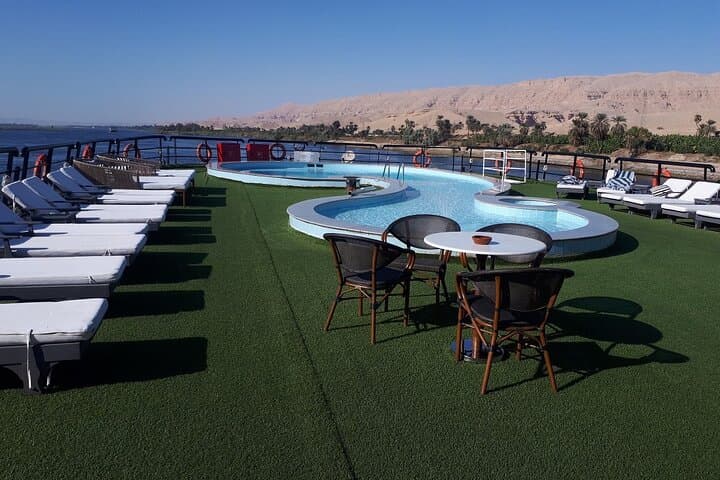

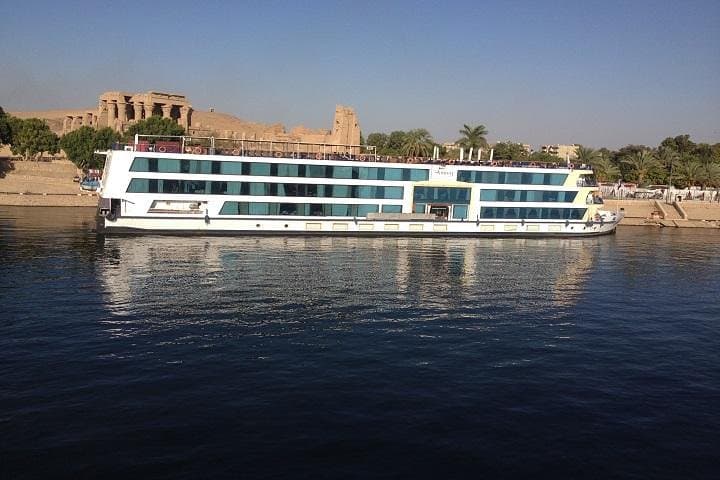

Morning light slants across the Giza Plateau as the city wakes — dust motes lift from the desert, tour buses hum, and the Pyramids carve a hard silhouette against the sky. A few days later you’ll be drifting on the Nile, palms slipping past the rail of a low-slung cruise, the river pushing you east toward temple colonnades that hold five millennia of human ambition.
Morning light slants across the Giza Plateau as the city wakes — dust motes lift from the desert, tour buses hum, and the Pyramids carve a hard silhouette against the sky. A few days later you’ll be drifting on the Nile, palms slipping past the rail of a low-slung cruise, the river pushing you east toward temple colonnades that hold five millennia of human ambition.
This itinerary threads Egypt’s most iconic chapters: the Old Kingdom stonework of Giza, the New Kingdom necropolises of the Valley of the Kings, and Pharaonic temples clustered along a river that has shaped agriculture and settlement. Geologically, the Nile valley is a ribbon of fertile alluvium cut through older sedimentary rock; the Red Sea coast, by contrast, is a basin of coral reefs and limestone escarpments that invite snorkeling and marine observation.
Cultural notes are practical: Egyptologist guides interpret hieroglyphic registers and funerary texts, while local markets and cafes offer a direct sense of contemporary Cairo and Luxor life. Expect layered contrasts — bustling bazaars and quiet temple courtyards — and be prepared for warm days and cooler nights.
Practical guidance: travel is by air-conditioned vehicle, overnight sleeper train, and a three-night full-board Nile cruise; accommodations include 5-star hotels and cruise cabins. Bring sun protection, comfortable walking shoes with good grip for uneven stone surfaces, modest clothing for temple visits, and a daypack for water and camera gear. Allow time for security checks and optional tomb fees; stay hydrated and pace temple visits mid-morning or late afternoon to avoid peak heat. With basic planning, this route mixes archaeology, river travel, and Red Sea snorkeling into a compact, accessible classic of Egypt.