THE ADVENTURE COLLECTIVE® · Independent discovery and booking for outdoor travel

Float over Luxor at sunrise and follow the Nile south by cruise to Aswan and Abu Simbel. This 7-night itinerary combines Cairo’s pyramids and bazaars with a luxury Nile cruise and a hot-air balloon over ancient funerary landscapes.
Float over Luxor at sunrise and follow the Nile south by cruise to Aswan and Abu Simbel. This 7-night itinerary combines Cairo’s pyramids and bazaars with a luxury Nile cruise and a hot-air balloon over ancient funerary landscapes.
At dawn the balloon slips above Luxor’s west bank, the Nile unspooling below like an ancient ribbon daring you to follow its course. Below, temple pylons and date palms catch the first light; later you'll trade sky for deck, rice-paper sunlight for the steady hum of a 5-star Nile cruise cutting between fed channels and desert flank.
Verified experiences and guided adventures in the surrounding area.
Operated by Egypt Travel Line · Cairo, Cairo Governorate
At dawn the balloon slips above Luxor’s west bank, the Nile unspooling below like an ancient ribbon daring you to follow its course. Below, temple pylons and date palms catch the first light; later you'll trade sky for deck, rice-paper sunlight for the steady hum of a 5-star Nile cruise cutting between fed channels and desert flank.
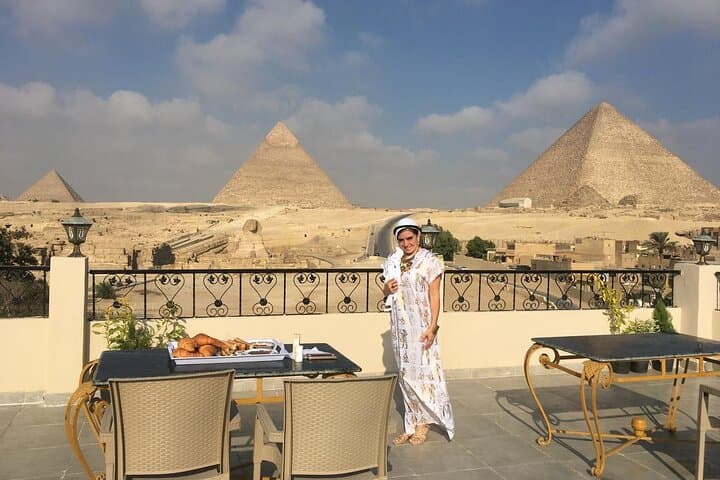
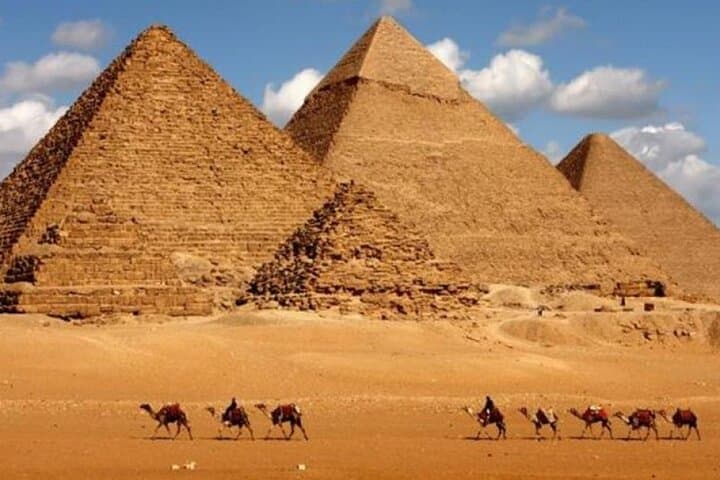
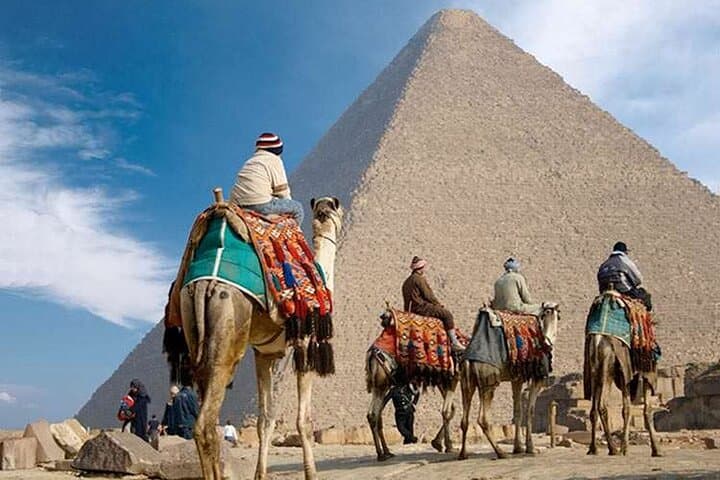
This eight-day loop stitches together Egypt’s layered history: the Old Kingdom’s geometric audacity at Giza and Saqqara, New Kingdom funerary towns in Luxor and the subterranean tombs of the Valley of the Kings, and the colossal pride of Ramses II at Abu Simbel—relocated stone-by-stone when Lake Nasser rose behind the Aswan High Dam (111 m tall).
Geology here is simple and stark: black fertile Nile silt slotted between granite outcrops and wind-scoured sandstone; the river is both life and route. Culturally the trip moves from metropolitan Cairo’s crowded bazaars and museum halls to Nubian-influenced southern towns where crafts and boatbuilding persist.
Practical: expect a mix of short city walks, staircases at temples and gentle on-deck strolls aboard a full-board cruise (3–4 nights on the Nile). Temperatures vary—intense sun most of the year—so time visits early or late in the day. Carry a refillable water bottle, sun protection, lightweight layers for cool mornings in winter, comfortable walking shoes for uneven stone, and photocopies of your passport for site entry.
Logistics: domestic flights between Cairo, Aswan and Luxor are included; private transfers smooth airport arrivals. Plan at least one slow day after travel to absorb the scale—these monuments reward careful looking.
moderate.
8 days (7 nights).
Moderate—be able to walk 2–4 miles a day on uneven ground and handle stairs in tombs and temples.
Yes—domestic flights between Cairo, Aswan and Luxor are included as noted in the trip inclusions.
Cruise ships and transfers are generally accessible, but some temple sites have steps and uneven terrain—contact the operator for specific accessibility needs.
Many nationalities require a visa; check Egypt’s current entry rules and arrange an e‑visa or visa on arrival where applicable before travel.
Expect moderate walking with stairs and narrow corridors; visits can include uphill approaches and uneven flooring—comfortable shoes are recommended.
This route spans Egyptian civilizations from the Step Pyramid of Djoser (3rd millennium BC) through New Kingdom capitals and the colossal projects of Ramses II at Abu Simbel.
High visitor numbers stress fragile sites—avoid touching reliefs or inscriptions, follow site signage, and minimize plastic waste on the river and at sensitive ruins.
Egypt Travel Line operates guided outdoor trips and adventures with an emphasis on safety, stewardship, and memorable experiences.
At dawn the balloon slips above Luxor’s west bank, the Nile unspooling below like an ancient ribbon daring you to follow its course. Below, temple pylons and date palms catch the first light; later you'll trade sky for deck, rice-paper sunlight for the steady hum of a 5-star Nile cruise cutting between fed channels and desert flank.
At dawn the balloon slips above Luxor’s west bank, the Nile unspooling below like an ancient ribbon daring you to follow its course. Below, temple pylons and date palms catch the first light; later you'll trade sky for deck, rice-paper sunlight for the steady hum of a 5-star Nile cruise cutting between fed channels and desert flank.
This eight-day loop stitches together Egypt’s layered history: the Old Kingdom’s geometric audacity at Giza and Saqqara, New Kingdom funerary towns in Luxor and the subterranean tombs of the Valley of the Kings, and the colossal pride of Ramses II at Abu Simbel—relocated stone-by-stone when Lake Nasser rose behind the Aswan High Dam (111 m tall).
Geology here is simple and stark: black fertile Nile silt slotted between granite outcrops and wind-scoured sandstone; the river is both life and route. Culturally the trip moves from metropolitan Cairo’s crowded bazaars and museum halls to Nubian-influenced southern towns where crafts and boatbuilding persist.
Practical: expect a mix of short city walks, staircases at temples and gentle on-deck strolls aboard a full-board cruise (3–4 nights on the Nile). Temperatures vary—intense sun most of the year—so time visits early or late in the day. Carry a refillable water bottle, sun protection, lightweight layers for cool mornings in winter, comfortable walking shoes for uneven stone, and photocopies of your passport for site entry.
Logistics: domestic flights between Cairo, Aswan and Luxor are included; private transfers smooth airport arrivals. Plan at least one slow day after travel to absorb the scale—these monuments reward careful looking.