THE ADVENTURE COLLECTIVE® · Independent discovery and booking for outdoor travel

Traverse Bhutan’s main valleys on a private 7-night circuit from Paro to Trongsa and back, capped by the iconic Taktsang (Tiger’s Nest) hike. Expect high passes, fortress-monasteries and warm local hospitality across varied elevations.
Traverse Bhutan’s main valleys on a private 7-night circuit from Paro to Trongsa and back, capped by the iconic Taktsang (Tiger’s Nest) hike. Expect high passes, fortress-monasteries and warm local hospitality across varied elevations.
You step from the plane into thin Himalayan air at Paro, and a folded valley of rice terraces and red-roofed dzongs spreads below like a living map. The tour threads through high passes and quiet villages — Dochula’s prayer-flagged ridge, the glacial hush of Phobjikha, the clan-guarding walls of Trongsa — each stop a change in altitude and atmosphere.
Verified experiences and guided adventures in the surrounding area.
Operated by Breakfree Adventures Pvt. Ltd. · Paro, Paro District
You step from the plane into thin Himalayan air at Paro, and a folded valley of rice terraces and red-roofed dzongs spreads below like a living map. The tour threads through high passes and quiet villages — Dochula’s prayer-flagged ridge, the glacial hush of Phobjikha, the clan-guarding walls of Trongsa — each stop a change in altitude and atmosphere.
Bhutan’s history is built into stone monasteries and fortress-dzongs that date to the 17th century, and its landscape is a consequence of young mountains: steep slopes, river-cut valleys and glacial cirques in the north. Culturally, expect daily life centered on monastery timetables, local markets selling buckwheat and chilies, and a warm formality in towns from Thimphu to Gangtey.
The itinerary reserves an entire day for Taktsang — the Tiger’s Nest — a pilgrimage site clinging to a cliff where legend says Guru Rinpoche arrived on a flying tigress. The hike is steep but well-trodden: plan for 2–4 hours roundtrip depending on pace and stops at viewpoints and teahouses.
Practical guidance: pack layers for 1,200–3,050m shifts in elevation, bring a daypack for water and camera, and allow time for short acclimatization; roads are winding and travel windows depend on weather. Comfortable, broken-in boots and sun protection matter more than luxury clothing here.
This is a culturally rich, accessible active tour for travelers who want a mix of walking, photography and quiet observation rather than technical climbing.
moderate.
8 days (7 nights).
Good general fitness for several half-day hikes and multiple long drives; able to handle altitude changes and stairs.
Yes — the tour includes visa processing and the government’s sustainable development fee; your operator will handle paperwork once you book.
The hike is steep with sections of stone steps and compacted trails; most fit walkers complete it in 2–4 hours roundtrip with breaks.
This package includes 3-star hotels (upgrades may be available for an additional fee) and three meals per day while in Bhutan.
Some travelers feel mild effects with elevation changes up to ~3,050m; hydrate, move deliberately, and inform your guide if symptoms appear.
Bhutan’s dzongs were administrative and monastic centers built from the 17th century onward; Trongsa Dzong played a central role in the hereditary monarchy’s consolidation.
Bhutan’s high-value tourism model limits visitor numbers and includes a sustainable development fee; carry out trash and follow guide instructions to minimize impact.
Breakfree Adventures Pvt. Ltd. operates guided outdoor trips and adventures with an emphasis on safety, stewardship, and memorable experiences.
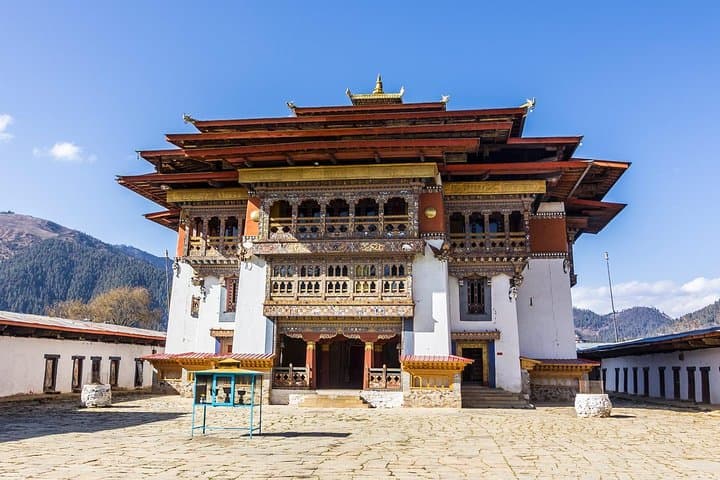
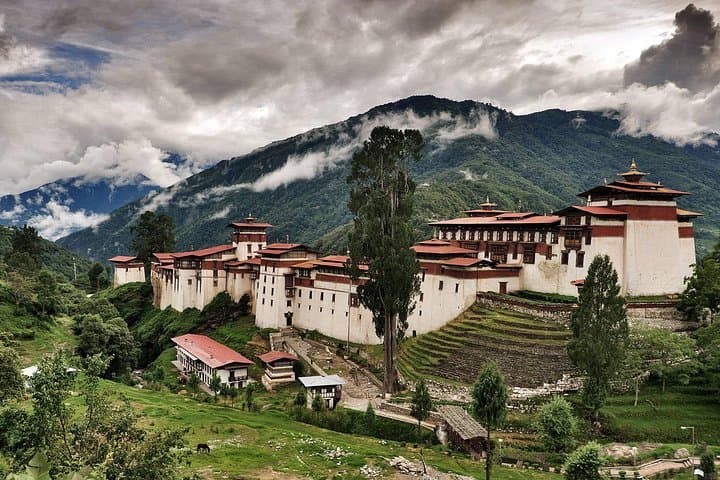
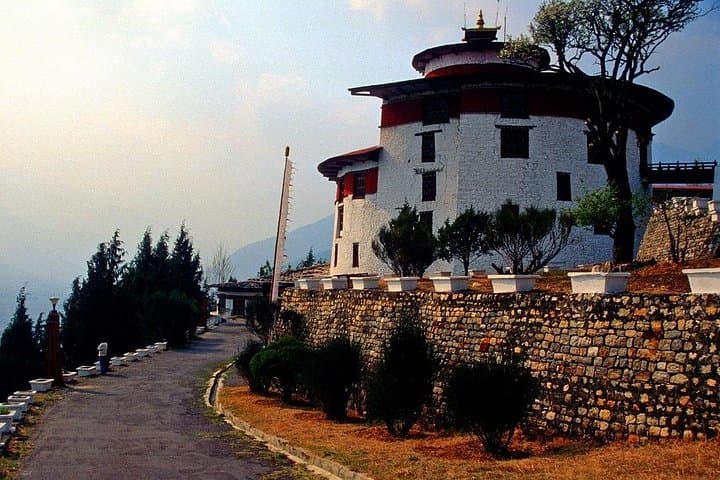
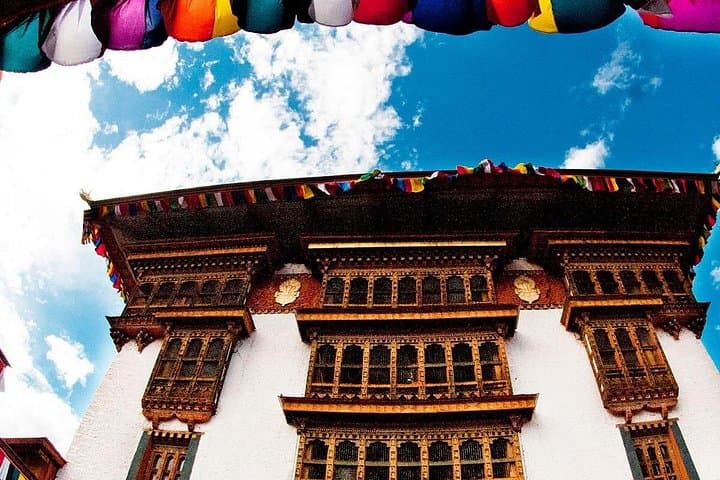
You step from the plane into thin Himalayan air at Paro, and a folded valley of rice terraces and red-roofed dzongs spreads below like a living map. The tour threads through high passes and quiet villages — Dochula’s prayer-flagged ridge, the glacial hush of Phobjikha, the clan-guarding walls of Trongsa — each stop a change in altitude and atmosphere.
You step from the plane into thin Himalayan air at Paro, and a folded valley of rice terraces and red-roofed dzongs spreads below like a living map. The tour threads through high passes and quiet villages — Dochula’s prayer-flagged ridge, the glacial hush of Phobjikha, the clan-guarding walls of Trongsa — each stop a change in altitude and atmosphere.
Bhutan’s history is built into stone monasteries and fortress-dzongs that date to the 17th century, and its landscape is a consequence of young mountains: steep slopes, river-cut valleys and glacial cirques in the north. Culturally, expect daily life centered on monastery timetables, local markets selling buckwheat and chilies, and a warm formality in towns from Thimphu to Gangtey.
The itinerary reserves an entire day for Taktsang — the Tiger’s Nest — a pilgrimage site clinging to a cliff where legend says Guru Rinpoche arrived on a flying tigress. The hike is steep but well-trodden: plan for 2–4 hours roundtrip depending on pace and stops at viewpoints and teahouses.
Practical guidance: pack layers for 1,200–3,050m shifts in elevation, bring a daypack for water and camera, and allow time for short acclimatization; roads are winding and travel windows depend on weather. Comfortable, broken-in boots and sun protection matter more than luxury clothing here.
This is a culturally rich, accessible active tour for travelers who want a mix of walking, photography and quiet observation rather than technical climbing.