THE ADVENTURE COLLECTIVE® · Independent discovery and booking for outdoor travel

A full-day trek around the turquoise lagoons beneath Nevado Ausangate, combining moderate hiking, optional horseback sections, and a soak in Pacchanta hot springs. Expect high-altitude scenery, glacial-fed lakes and encounters with Andean herding culture.
A full-day trek around the turquoise lagoons beneath Nevado Ausangate, combining moderate hiking, optional horseback sections, and a soak in Pacchanta hot springs. Expect high-altitude scenery, glacial-fed lakes and encounters with Andean herding culture.
You step off the minibus into high thin air and the Andes greet you in sharp edges: a ring of snow shoulders, a cluster of lakes catching an impossible turquoise.
Verified experiences and guided adventures in the surrounding area.
Operated by Machupicchu Holiday · Pacchanta, Cusco Region
You step off the minibus into high thin air and the Andes greet you in sharp edges: a ring of snow shoulders, a cluster of lakes catching an impossible turquoise.
The 7 Lakes route begins at Pacchanta, a highland community below Nevado Ausangate. The path threads through puna grasslands and across moraine-kissed slopes, passing shallow wetlands and the first lagoon within an easy hour. The lakes reflect the Ausangate massif; its glaciers feed the basins and sculpt the ridgelines you’ll skirt.
This landscape sits within Quechua territory where Ausangate is an Apu—sacred and historically central to local ritual cycles. Geologically the Vilcanota range is young and active: glacial carving and steep moraines define the lake basins and the silty, glacial-fed streams that dare you to cross.
Culturally you’ll meet herders and their alpacas and possibly witness textile work or local grazing patterns tied to seasonal moves. Conservation here focuses on preserving fragile puna and glacial melt sources—stay on trails and pack out waste.
Practical guidance: expect 4–6 hours of walking spread across a full 10–12 hour day including transfers. Altitude is the chief challenge—carry extra water, pace uphill, and consider a short acclimatization day in Cusco. Horseback options ease the climbs but require basic riding balance; guides handle tack and route-finding.
Bring layered clothing for sun, wind, and sudden showers; sturdy boots for rocky and sometimes muddy ground; and a camera—light plays across the lakes in moments that make the long drive worth it.
moderate.
10–12 hours (5–6 hours hiking).
Good cardiovascular fitness recommended; able to walk 5–10 km at high altitude with elevation changes
Trail mileage is moderate (~10 km total walking) but altitude makes it feel harder; expect steady climbs, uneven terrain and 4–6 hours of walking spread over the day.
Horses cover uphill or longer stretches for those who prefer not to walk; riders should have basic balance and follow guide instructions—pregnancy and serious mobility limits may preclude riding.
Yes—symptoms can include headache, nausea and fatigue; acclimatize in Cusco, hydrate, ascend slowly and inform guides if symptoms worsen.
Most tours include lunch and hot springs access, but bringing small cash is useful for local purchases, tips or additional snacks.
Ausangate is an Apu in Quechua cosmology; communities here maintain ritual ties and seasonal herding traditions tied to the mountain’s water supply.
The puna and glacial-fed lakes are sensitive—stick to established trails, avoid single-use plastics, and support local guides who practice low-impact tourism.
Machupicchu Holiday operates guided outdoor trips and adventures with an emphasis on safety, stewardship, and memorable experiences.


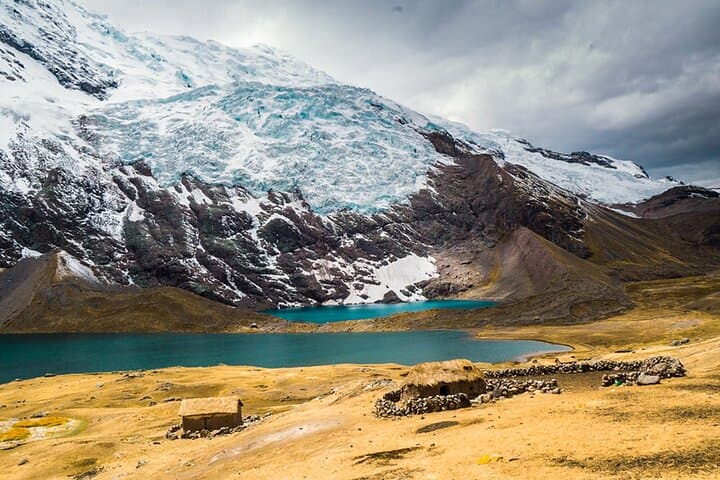

You step off the minibus into high thin air and the Andes greet you in sharp edges: a ring of snow shoulders, a cluster of lakes catching an impossible turquoise.
You step off the minibus into high thin air and the Andes greet you in sharp edges: a ring of snow shoulders, a cluster of lakes catching an impossible turquoise.
The 7 Lakes route begins at Pacchanta, a highland community below Nevado Ausangate. The path threads through puna grasslands and across moraine-kissed slopes, passing shallow wetlands and the first lagoon within an easy hour. The lakes reflect the Ausangate massif; its glaciers feed the basins and sculpt the ridgelines you’ll skirt.
This landscape sits within Quechua territory where Ausangate is an Apu—sacred and historically central to local ritual cycles. Geologically the Vilcanota range is young and active: glacial carving and steep moraines define the lake basins and the silty, glacial-fed streams that dare you to cross.
Culturally you’ll meet herders and their alpacas and possibly witness textile work or local grazing patterns tied to seasonal moves. Conservation here focuses on preserving fragile puna and glacial melt sources—stay on trails and pack out waste.
Practical guidance: expect 4–6 hours of walking spread across a full 10–12 hour day including transfers. Altitude is the chief challenge—carry extra water, pace uphill, and consider a short acclimatization day in Cusco. Horseback options ease the climbs but require basic riding balance; guides handle tack and route-finding.
Bring layered clothing for sun, wind, and sudden showers; sturdy boots for rocky and sometimes muddy ground; and a camera—light plays across the lakes in moments that make the long drive worth it.