THE ADVENTURE COLLECTIVE® · Independent discovery and booking for outdoor travel

A high‑altitude day hike from Cusco to the seven alpine lagoons beneath Ausangate—expect stark glacial scenery, a 2½‑hour climb to the lakes, hot springs and strong Andean culture. Practical guidance for altitude, gear and timing included.
A high‑altitude day hike from Cusco to the seven alpine lagoons beneath Ausangate—expect stark glacial scenery, a 2½‑hour climb to the lakes, hot springs and strong Andean culture. Practical guidance for altitude, gear and timing included.
You step out of the van into a thin, sharp air and the Andes rearrange their scale—rock ribs and glacial shoulders rising above a scatter of cobalt pools. The trail from Pacchanta climbs across a high puna of tussock grass and stone, leading in roughly 2½ hours to a cluster of seven alpine lagoons that change hue with wind and light.
Verified experiences and guided adventures in the surrounding area.
Operated by X Travel Peru · Cusco, Cusco Region
You step out of the van into a thin, sharp air and the Andes rearrange their scale—rock ribs and glacial shoulders rising above a scatter of cobalt pools. The trail from Pacchanta climbs across a high puna of tussock grass and stone, leading in roughly 2½ hours to a cluster of seven alpine lagoons that change hue with wind and light.
Geology here is blunt and recent: the Ausangate massif is a glaciated volcanic uplift, its moraine-dammed basins holding meltwater that ages into the lakes. For local Quechua communities Ausangate is an Apu, a sacred mountain with annual pilgrimages and herding cycles that shape seasonal grazing and small pastoral sites you’ll pass.
Expect thin air (4,300–4,600 m) and open exposure—sun, wind and sudden cloud. The walk from the breakfast stop in Pacchanta to the lakes is roughly 5–7 km round trip with 400–600 m of ascent, mostly on well-trodden highland paths and rocky sections. A guide points out vicuña feeding along the shore and the occasional condor wheeling over the ridge.
Practical edge: hydrate and acclimatize in Cusco for 48 hours if possible; layer for wind and sun; use trekking poles for balance on scree. The itinerary commonly includes a soak in Pacchanta hot springs after the hike and a buffet lunch, before a return drive to Cusco. Good boots, sunscreen and a compact down layer make the day far more comfortable. This is a demanding but accessible high-altitude day adventure—wild, clear, and entirely Andean.
challenging.
10–12 hours.
Good aerobic fitness and prior high‑altitude experience recommended; comfortable with multi‑hour uphill hiking.
The walking portion is about 2½ hours one way to the main lagoon area—roughly 5–7 km round trip with 400–600 m ascent depending on exact route.
Not immediately; allow 48 hours in Cusco to acclimatize and consult your guide or a physician if you have respiratory or cardiovascular conditions.
Many operators include optional time at Pacchanta hot springs after the hike; bring swimwear and a towel if you plan to soak.
Private transportation, a breakfast buffet before the hike and a lunch are typically included; confirm pickup and drop‑off details at booking.
Ausangate has long been venerated as an Apu in Quechua cosmology; pastoral routes around the massif reflect centuries of transhumance and ritual procession.
High‑altitude wetlands and fragile puna grasses are sensitive to trampling—stick to paths, pack out waste, and support local guides who manage visitor impact.
X Travel Peru operates guided outdoor trips and adventures with an emphasis on safety, stewardship, and memorable experiences.
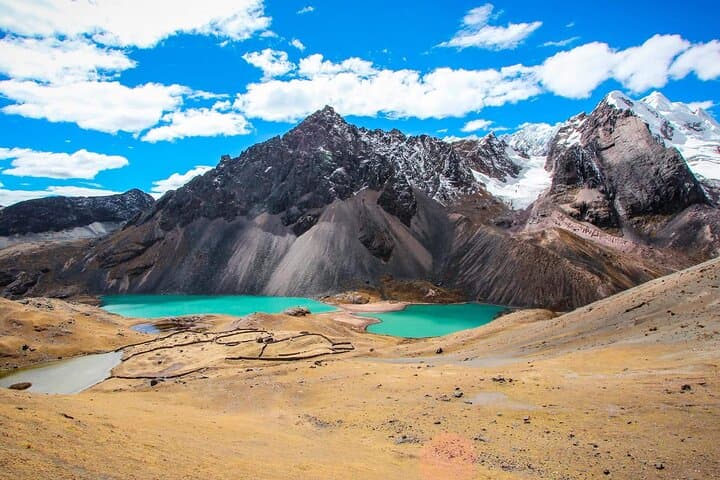
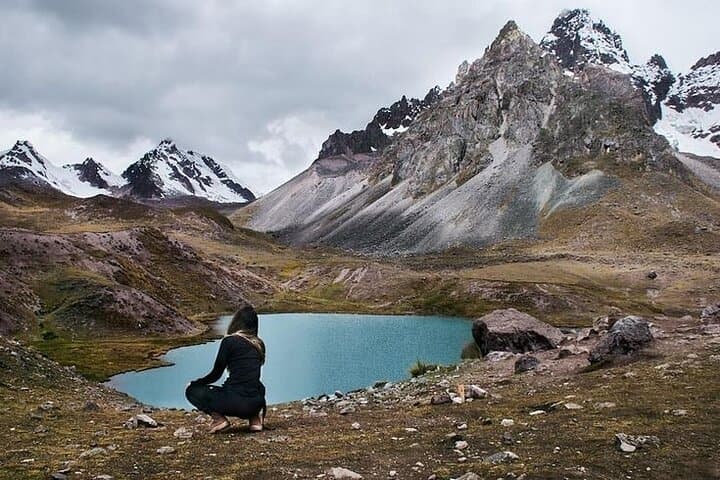
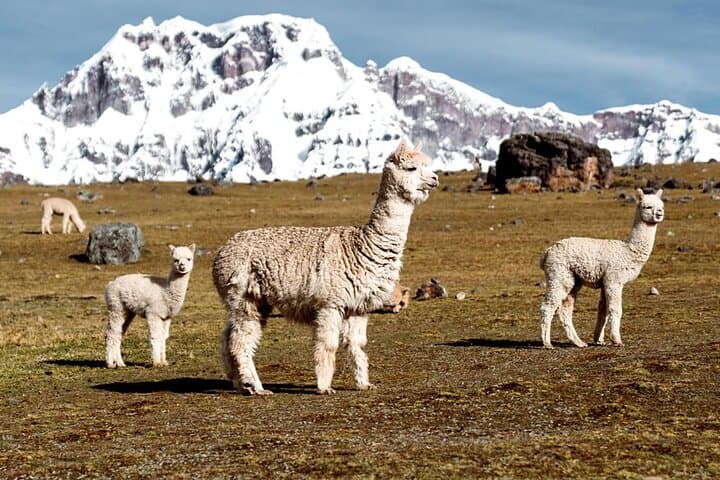
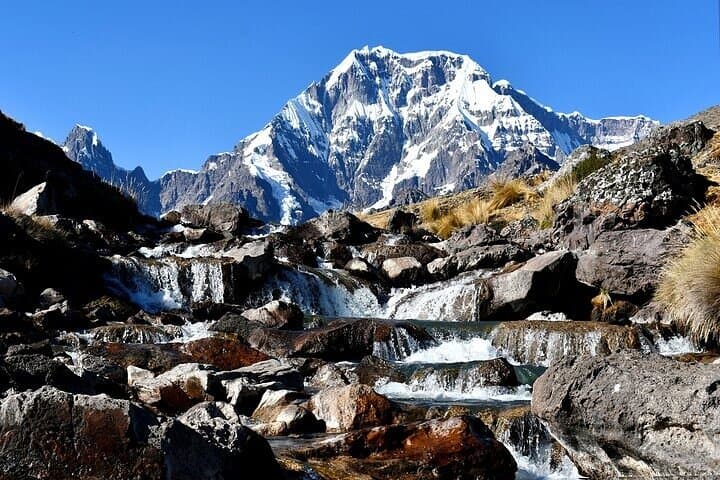
You step out of the van into a thin, sharp air and the Andes rearrange their scale—rock ribs and glacial shoulders rising above a scatter of cobalt pools. The trail from Pacchanta climbs across a high puna of tussock grass and stone, leading in roughly 2½ hours to a cluster of seven alpine lagoons that change hue with wind and light.
You step out of the van into a thin, sharp air and the Andes rearrange their scale—rock ribs and glacial shoulders rising above a scatter of cobalt pools. The trail from Pacchanta climbs across a high puna of tussock grass and stone, leading in roughly 2½ hours to a cluster of seven alpine lagoons that change hue with wind and light.
Geology here is blunt and recent: the Ausangate massif is a glaciated volcanic uplift, its moraine-dammed basins holding meltwater that ages into the lakes. For local Quechua communities Ausangate is an Apu, a sacred mountain with annual pilgrimages and herding cycles that shape seasonal grazing and small pastoral sites you’ll pass.
Expect thin air (4,300–4,600 m) and open exposure—sun, wind and sudden cloud. The walk from the breakfast stop in Pacchanta to the lakes is roughly 5–7 km round trip with 400–600 m of ascent, mostly on well-trodden highland paths and rocky sections. A guide points out vicuña feeding along the shore and the occasional condor wheeling over the ridge.
Practical edge: hydrate and acclimatize in Cusco for 48 hours if possible; layer for wind and sun; use trekking poles for balance on scree. The itinerary commonly includes a soak in Pacchanta hot springs after the hike and a buffet lunch, before a return drive to Cusco. Good boots, sunscreen and a compact down layer make the day far more comfortable. This is a demanding but accessible high-altitude day adventure—wild, clear, and entirely Andean.