THE ADVENTURE COLLECTIVE® · Independent discovery and booking for outdoor travel

In a single day from Accra, this private 7–8 hour tour brings you face-to-face with Cape Coast Castle’s dungeons, coastal ramparts, and living history. Expect guided interpretation, uneven stone stairs, and powerful views of the Atlantic.
In a single day from Accra, this private 7–8 hour tour brings you face-to-face with Cape Coast Castle’s dungeons, coastal ramparts, and living history. Expect guided interpretation, uneven stone stairs, and powerful views of the Atlantic.
A salt wind meets you at the castle walls long before the tour begins, pushing small waves against the rocky shore and the cries of seabirds toward the stone fort. Walking up the rampart, visitors get a first, clear view of the Atlantic that framed centuries of trade and tragedy — the same ocean that carried people away and now frames the interpretation.
Verified experiences and guided adventures in the surrounding area.
Operated by Classic Holidays · Cape Coast, Central Region
A salt wind meets you at the castle walls long before the tour begins, pushing small waves against the rocky shore and the cries of seabirds toward the stone fort. Walking up the rampart, visitors get a first, clear view of the Atlantic that framed centuries of trade and tragedy — the same ocean that carried people away and now frames the interpretation.
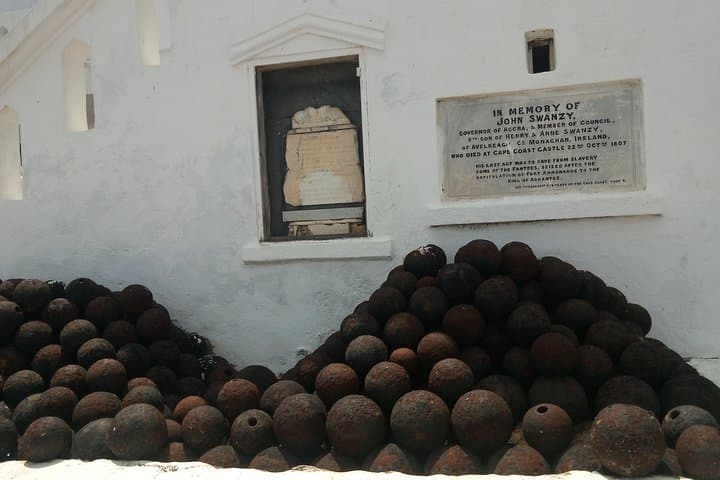
Cape Coast Castle began as a 17th-century Swedish lodge and was rebuilt and expanded by the British in 1665 into one of the largest slave-holding forts on the West African coast. Design and geology are plain: laterite and sandstones shaped into thick walls that resisted both weather and seaborne attack, with layered rooms that separate governors' quarters from the cramped subterranean dungeons. The site is a UNESCO World Heritage property and a focal point for Ghana’s public memory and annual festivals that honor resilience and the African diaspora.
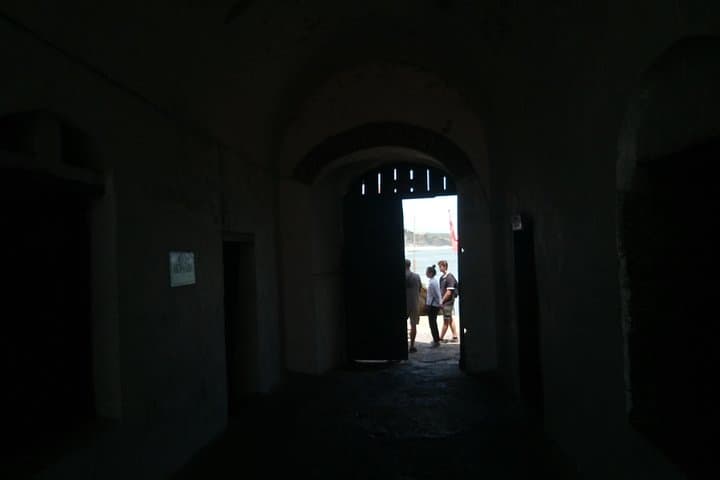
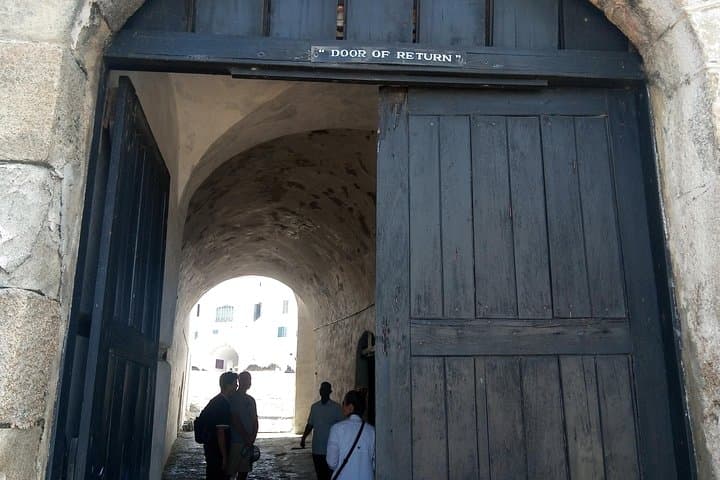
On a standard 7–8 hour day trip from Accra, expect a guided, private walk through dungeons, the condemned cell, the Door of No Return, and the governor’s residences, paired with commentary that links local culture, colonial architecture, and present-day community life. Guides often point out nearby markets and the fishing harbor where daily life continues.
Practical guidance: wear sturdy shoes for uneven stone and stairs, bring sun protection and a refillable bottle (bottled water is often provided), and allow time for quiet reflection after the tour. Morning departures avoid midday heat and give better light for photography. Respect the site’s solemn history and follow guide directions around fragile spaces.
easy.
7–8 hours.
Suitable for most fitness levels; involves walking on uneven stone, short steep staircases, and standing during the guided sections.
The trip runs about 7–8 hours round trip, including transport, guided time at the castle (about 2 hours), and brief stops en route.
The site has many stairs, narrow passages, and uneven surfaces; visitors with limited mobility should contact the operator in advance to discuss options.
Photography is generally allowed in most exterior and many interior areas, but follow the guide’s directions and restrictions in sensitive spaces such as the dungeons.
Bottled water is commonly included; full meals may not be included—check the tour details and plan for snacks or a nearby meal in Cape Coast if not provided.
Built in the 17th century and expanded by the British in 1665, Cape Coast Castle served as a major holding center in the transatlantic slave trade and is now a UNESCO World Heritage site.
The site relies on responsible tourism and preservation funding; visitors should avoid touching fragile surfaces, use marked paths, and support local museums and guides.
Classic Holidays operates guided outdoor trips and adventures with an emphasis on safety, stewardship, and memorable experiences.
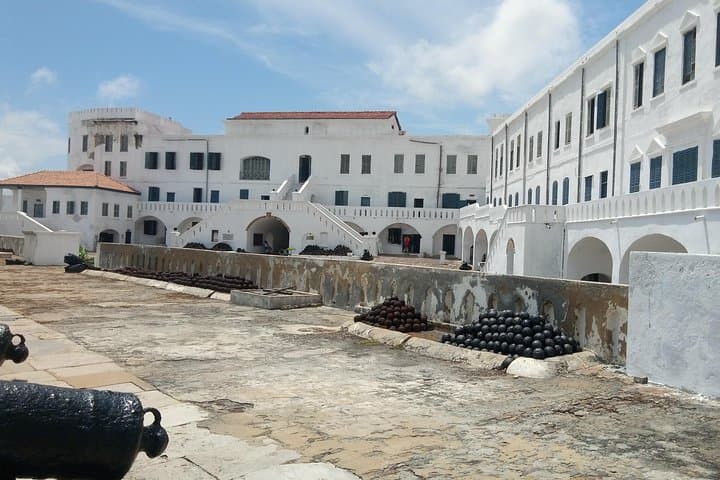
A salt wind meets you at the castle walls long before the tour begins, pushing small waves against the rocky shore and the cries of seabirds toward the stone fort. Walking up the rampart, visitors get a first, clear view of the Atlantic that framed centuries of trade and tragedy — the same ocean that carried people away and now frames the interpretation.
A salt wind meets you at the castle walls long before the tour begins, pushing small waves against the rocky shore and the cries of seabirds toward the stone fort. Walking up the rampart, visitors get a first, clear view of the Atlantic that framed centuries of trade and tragedy — the same ocean that carried people away and now frames the interpretation.
Cape Coast Castle began as a 17th-century Swedish lodge and was rebuilt and expanded by the British in 1665 into one of the largest slave-holding forts on the West African coast. Design and geology are plain: laterite and sandstones shaped into thick walls that resisted both weather and seaborne attack, with layered rooms that separate governors' quarters from the cramped subterranean dungeons. The site is a UNESCO World Heritage property and a focal point for Ghana’s public memory and annual festivals that honor resilience and the African diaspora.
On a standard 7–8 hour day trip from Accra, expect a guided, private walk through dungeons, the condemned cell, the Door of No Return, and the governor’s residences, paired with commentary that links local culture, colonial architecture, and present-day community life. Guides often point out nearby markets and the fishing harbor where daily life continues.
Practical guidance: wear sturdy shoes for uneven stone and stairs, bring sun protection and a refillable bottle (bottled water is often provided), and allow time for quiet reflection after the tour. Morning departures avoid midday heat and give better light for photography. Respect the site’s solemn history and follow guide directions around fragile spaces.