THE ADVENTURE COLLECTIVE® · Independent discovery and booking for outdoor travel

Witness the Wildebeest Calving in Ndutu and explore Tarangire, Serengeti and Ngorongoro on this immersive 7-day safari. Expect full-day game drives, tented camps, and peak wildlife action from January to March.
Witness the Wildebeest Calving in Ndutu and explore Tarangire, Serengeti and Ngorongoro on this immersive 7-day safari. Expect full-day game drives, tented camps, and peak wildlife action from January to March.
Early light slices across the short grass plains of Ndutu and the air is already alive: hooves drum, calves wobble, and the dark shapes of predators press the skyline. From the open roof of a 4x4 you move slowly through a landscape that alternates between soda lakes, kopjes and acacia-dotted swamps — each feature rewriting where the herds will feed that day.
Verified experiences and guided adventures in the surrounding area.
Operated by Furaha Tours and Safaris Company Limited · Arusha, Arusha Region
Early light slices across the short grass plains of Ndutu and the air is already alive: hooves drum, calves wobble, and the dark shapes of predators press the skyline. From the open roof of a 4x4 you move slowly through a landscape that alternates between soda lakes, kopjes and acacia-dotted swamps — each feature rewriting where the herds will feed that day.
This seven-day route threads Tarangire, the Seronera heart of the Serengeti and the Ndutu calving grounds, finishing with the volcanic amphitheatre of Ngorongoro Crater. Geologically the region is Rift Valley country: alkaline lakes and weathered granite kopjes trace ancient tectonic forces, while Maasai communities and Iraqw farmers have managed grazing and water for generations. Cultural stops and a Maasai village visit add human context to the wildlife spectacle.
Expect full-day game drives with early starts and long light for photography. Wildlife dynamics here are seasonal — January–March bring the densest calving action in Ndutu; predators concentrate where the young are vulnerable and plains are short. Guides read spoor, clouds and wet ground to find the herds, and accommodations range from tented camps to simple lodges with private transfers included.
Practical notes: pack neutral clothing, sun protection and binoculars; hydration and motion-sickness prep matter for long drives. Roads are rough and weather shifts fast — morning chill can turn hot by noon. Book park fees and crater permits in advance, and aim for a flexible itinerary if you want to maximize sightings during the short calving window.
moderate.
7 days.
Moderate fitness needed: long vehicle days, short walks at camps and uneven ground for optional short walks.
The peak calving window is typically January–March in the Ndutu and southern Serengeti areas, with February often offering the densest sightings.
This itinerary notes that Ngorongoro and Serengeti park fees are included—confirm with the operator before booking for any recent fee changes.
Expect long, bumpy dirt tracks between sites; the trip uses safari 4x4s with open roofs for viewing but not for walking long distances.
Yes—the final day includes a guided Maasai village visit led by a local chief, offering cultural context and photo opportunities.
The Serengeti and surrounding conservation areas have long been traversed by pastoralists; the Ngorongoro highlands are historically farmed by Iraqw people, creating a human-wildlife mosaic.
This ecosystem depends on migratory corridors—support operators that adhere to concession rules, limit off-road driving, and work with local communities to protect calving grounds.
Furaha Tours and Safaris Company Limited operates guided outdoor trips and adventures with an emphasis on safety, stewardship, and memorable experiences.
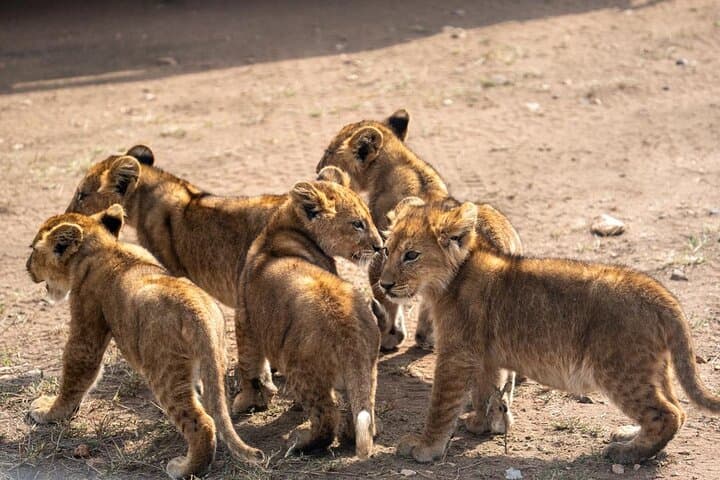
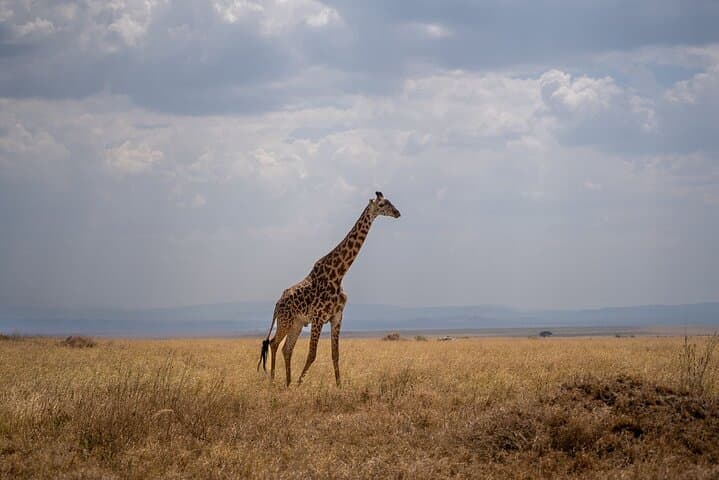
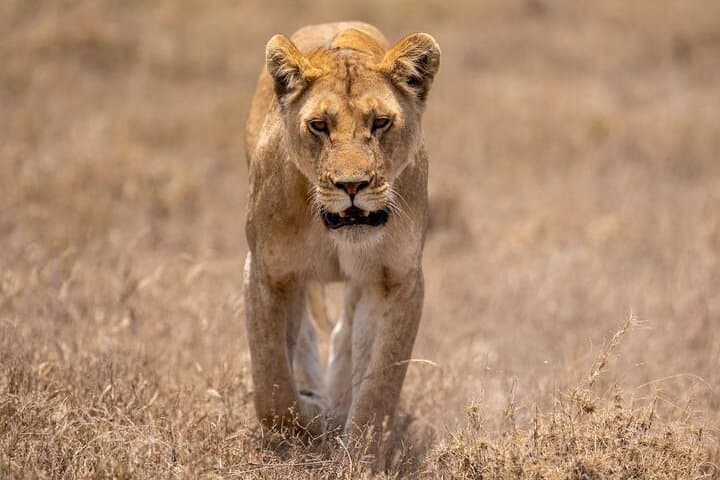
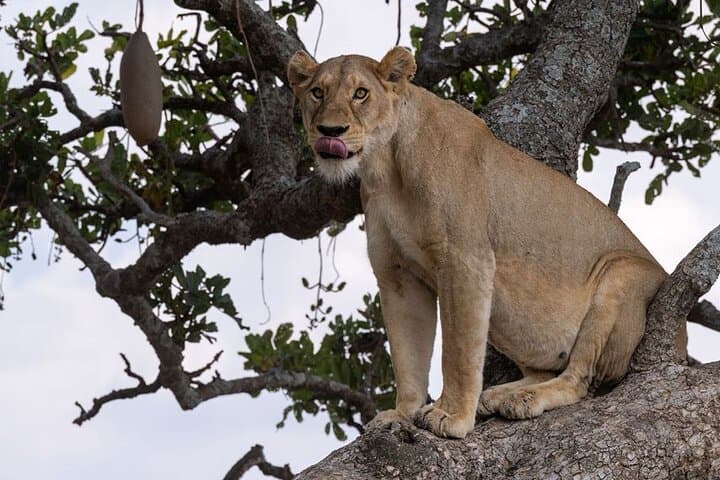
Early light slices across the short grass plains of Ndutu and the air is already alive: hooves drum, calves wobble, and the dark shapes of predators press the skyline. From the open roof of a 4x4 you move slowly through a landscape that alternates between soda lakes, kopjes and acacia-dotted swamps — each feature rewriting where the herds will feed that day.
Early light slices across the short grass plains of Ndutu and the air is already alive: hooves drum, calves wobble, and the dark shapes of predators press the skyline. From the open roof of a 4x4 you move slowly through a landscape that alternates between soda lakes, kopjes and acacia-dotted swamps — each feature rewriting where the herds will feed that day.
This seven-day route threads Tarangire, the Seronera heart of the Serengeti and the Ndutu calving grounds, finishing with the volcanic amphitheatre of Ngorongoro Crater. Geologically the region is Rift Valley country: alkaline lakes and weathered granite kopjes trace ancient tectonic forces, while Maasai communities and Iraqw farmers have managed grazing and water for generations. Cultural stops and a Maasai village visit add human context to the wildlife spectacle.
Expect full-day game drives with early starts and long light for photography. Wildlife dynamics here are seasonal — January–March bring the densest calving action in Ndutu; predators concentrate where the young are vulnerable and plains are short. Guides read spoor, clouds and wet ground to find the herds, and accommodations range from tented camps to simple lodges with private transfers included.
Practical notes: pack neutral clothing, sun protection and binoculars; hydration and motion-sickness prep matter for long drives. Roads are rough and weather shifts fast — morning chill can turn hot by noon. Book park fees and crater permits in advance, and aim for a flexible itinerary if you want to maximize sightings during the short calving window.