THE ADVENTURE COLLECTIVE® · Independent discovery and booking for outdoor travel

This week-long Uganda circuit moves from Lake Mburo’s grassy lakeshores to Bwindi’s steep gorilla forest and the wildlife-rich Kazinga Channel in Queen Elizabeth. Expect long drives, guided game drives, a boat cruise, and a permit-regulated gorilla trek.
This week-long Uganda circuit moves from Lake Mburo’s grassy lakeshores to Bwindi’s steep gorilla forest and the wildlife-rich Kazinga Channel in Queen Elizabeth. Expect long drives, guided game drives, a boat cruise, and a permit-regulated gorilla trek.
Dawn pours across the savanna as the vehicle threads between koppies and acacia—zebra herds lift their heads and the Kazinga Channel waits like a slow-moving highway of hippos. Over seven days this circuit moves from broad, grassy plains at Lake Mburo to the steep, fern-smoothed slopes of Bwindi Impenetrable, finishing with the watery arteries of Queen Elizabeth National Park.
Verified experiences and guided adventures in the surrounding area.
Operated by Verdoro Safaris Uganda · Bwindi Impenetrable National Park, Western Region
Dawn pours across the savanna as the vehicle threads between koppies and acacia—zebra herds lift their heads and the Kazinga Channel waits like a slow-moving highway of hippos. Over seven days this circuit moves from broad, grassy plains at Lake Mburo to the steep, fern-smoothed slopes of Bwindi Impenetrable, finishing with the watery arteries of Queen Elizabeth National Park.
Lake Mburo’s mixed grasslands and small lakes are geologically young rift-fringe country where seasonal floods and shallow lakes shape hippo pools and shorebird habitat. The Kigezi highlands en route to Bwindi are terraced by generations of farmers growing bananas and coffee; culturally the region is a patchwork of Bakiga and Batwa histories, with Batwa communities still maintaining traditional forest knowledge near Bwindi.
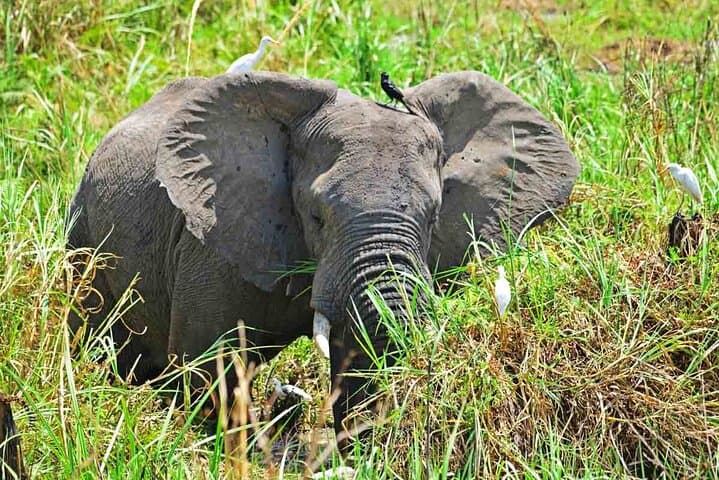
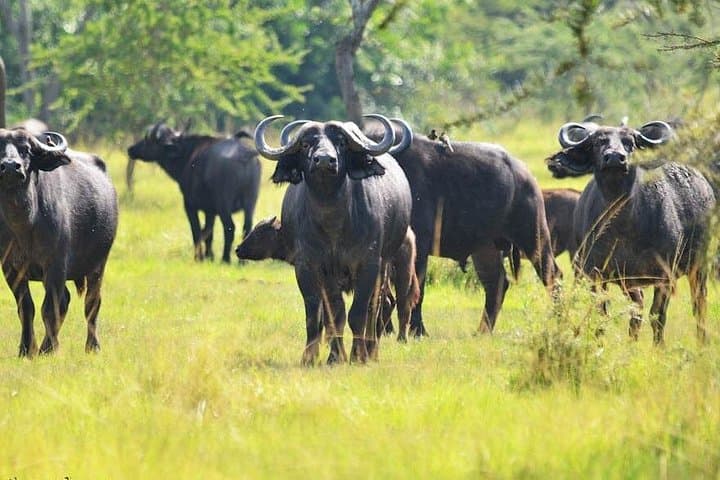
Bwindi’s ancient forest feels like a living mountain—moss and buttress roots claim the slopes, and gorilla families move with deliberate curiosity. In Queen Elizabeth the Kazinga Channel stitches two lakes together and crowds banks with elephants and buffaloes at eye level from a boat.
Practical guidance: expect long road days (several 6–8 hour drives), basic to comfortable lodges, and single-day gorilla treks lasting 2–8 hours on steep, muddy trails. Permits and ranger briefings regulate gorilla visits; follow distance and photography rules closely. Bring sturdy waterproof boots, layered rain gear, water and snacks, and a pair of binoculars for dawn and boat sightings. Travel in Uganda rewards patience—the landscape challenges you, the wildlife rewards you, and the people add the human story to every mile.
challenging.
7 days (6 nights).
Participants should be in good cardiovascular condition for hikes of several hours on steep, uneven, and sometimes muddy trails; general mobility is required for game drives and boat cruises.
Trekking ranges from moderate to strenuous—some groups are found after short walks, others require several hours on steep, muddy terrain; guides place groups by fitness where possible.
Permits are required and limited; book them several months ahead—operators typically advise securing permits well before travel peaks.
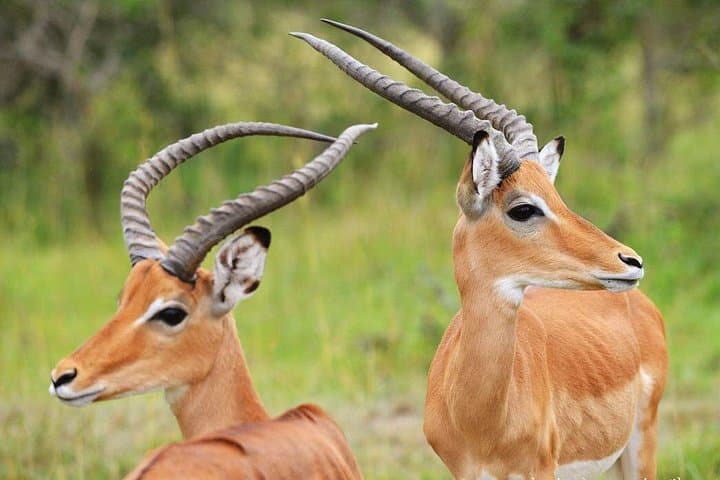
Wildlife sightings are never guaranteed, but Lake Mburo and Queen Elizabeth have reliable populations of zebras, kobs, hippos, elephants and varied birdlife; early mornings and late afternoons are best.
Yellow fever vaccination is required for entry to Uganda; consult a travel clinic for malaria prophylaxis and routine vaccinations before travel.
These parks sit across ecological zones shaped by rift geology and human agricultural terraces—the Batwa were long-time forest inhabitants near Bwindi and the region has a layered colonial and post-colonial conservation history.
Gorilla tourism funds park protection and local communities through revenue-sharing; visitors should minimize waste, avoid single-use plastics, and follow ranger guidance to reduce disturbance.
Verdoro Safaris Uganda operates guided outdoor trips and adventures with an emphasis on safety, stewardship, and memorable experiences.
Dawn pours across the savanna as the vehicle threads between koppies and acacia—zebra herds lift their heads and the Kazinga Channel waits like a slow-moving highway of hippos. Over seven days this circuit moves from broad, grassy plains at Lake Mburo to the steep, fern-smoothed slopes of Bwindi Impenetrable, finishing with the watery arteries of Queen Elizabeth National Park.
Dawn pours across the savanna as the vehicle threads between koppies and acacia—zebra herds lift their heads and the Kazinga Channel waits like a slow-moving highway of hippos. Over seven days this circuit moves from broad, grassy plains at Lake Mburo to the steep, fern-smoothed slopes of Bwindi Impenetrable, finishing with the watery arteries of Queen Elizabeth National Park.
Lake Mburo’s mixed grasslands and small lakes are geologically young rift-fringe country where seasonal floods and shallow lakes shape hippo pools and shorebird habitat. The Kigezi highlands en route to Bwindi are terraced by generations of farmers growing bananas and coffee; culturally the region is a patchwork of Bakiga and Batwa histories, with Batwa communities still maintaining traditional forest knowledge near Bwindi.
Bwindi’s ancient forest feels like a living mountain—moss and buttress roots claim the slopes, and gorilla families move with deliberate curiosity. In Queen Elizabeth the Kazinga Channel stitches two lakes together and crowds banks with elephants and buffaloes at eye level from a boat.
Practical guidance: expect long road days (several 6–8 hour drives), basic to comfortable lodges, and single-day gorilla treks lasting 2–8 hours on steep, muddy trails. Permits and ranger briefings regulate gorilla visits; follow distance and photography rules closely. Bring sturdy waterproof boots, layered rain gear, water and snacks, and a pair of binoculars for dawn and boat sightings. Travel in Uganda rewards patience—the landscape challenges you, the wildlife rewards you, and the people add the human story to every mile.