THE ADVENTURE COLLECTIVE® · Independent discovery and booking for outdoor travel

A compact, seven-day loop through Uganda’s wild west: golden monkeys in Mgahinga, an intimate hour with mountain gorillas in Bwindi, tree-climbing lions in Ishasha, and a wildlife-rich cruise on the Kazinga Channel. Expect long drives, steep rainforest hiking, and boat safaris.
A compact, seven-day loop through Uganda’s wild west: golden monkeys in Mgahinga, an intimate hour with mountain gorillas in Bwindi, tree-climbing lions in Ishasha, and a wildlife-rich cruise on the Kazinga Channel. Expect long drives, steep rainforest hiking, and boat safaris.
Dawn pushes cool light across the Virunga slopes as your 4x4 eases up a dirt track toward Mgahinga; clouds clasp the peaks and the pop-up roof opens to the first wary antelopes. Over seven days you move from Rwanda’s borderlands into a sequence of habitats — Afro-montane forest that holds mountain gorillas, open savannahs where elephants gather, and the water-bright Kazinga Channel where hippos dice reflections with crocodiles.
Verified experiences and guided adventures in the surrounding area.
Operated by Home To Africa Tours and Travel · Kisoro, Western Region
Dawn pushes cool light across the Virunga slopes as your 4x4 eases up a dirt track toward Mgahinga; clouds clasp the peaks and the pop-up roof opens to the first wary antelopes. Over seven days you move from Rwanda’s borderlands into a sequence of habitats — Afro-montane forest that holds mountain gorillas, open savannahs where elephants gather, and the water-bright Kazinga Channel where hippos dice reflections with crocodiles.
This itinerary threads history and geology: the Virunga volcanic chain carved steep crater ridges that funnel rainforest and support the endemic golden monkey, while Queen Elizabeth’s rift-edge plains reflect the East African Rift’s shaping of lakes and channels. Local culture is woven through: Batwa community guides and regional conservation efforts have altered how parks manage access and permits — a system designed to protect fragile primates and support local livelihoods.
Expect steep, muddy trails and a variable elevation range (roughly 1,200–2,700 m), with gorilla treks typically lasting 4–8 hours over uneven terrain and golden monkey hikes shorter but nimble. Game drives require long road transfers; bring patience for wildlife timing. Boat cruises on the Kazinga Channel run about two hours and concentrate shorebirds and megafauna. Practical edge: secure gorilla/monkey permits well in advance, wear broken-in waterproof boots, carry 2–3 liters of water, and plan for rain any time of year. Porters are often available to help on steep sections.
This is an expedition-paced safari: vivid, physically involved, and geared toward travelers who want face-to-face time with East Africa’s most iconic wildlife while supporting conservation-minded tourism.
challenging.
7 days.
Suitable for travelers with good cardiovascular fitness and the ability to hike 4–8 hours on uneven, steep terrain; not recommended for those with serious back or heart conditions.
Yes—both require paid permits; gorilla permits are especially limited and must be booked in advance through Uganda Wildlife Authority or tour operators.
Trekking can range from moderate to strenuous (4–8 hours) on steep, muddy slopes and may include off-trail bush paths; basic fitness and mobility are required.
This tour includes meals and lodging per the itinerary, as well as ground transfers and local guide services noted in the inclusions.
Minimum age for gorilla trekking on this itinerary is 15; check operator policy and medical suitability for younger participants.
The Virunga volcanic chain and Bwindi forests have long supported isolated primate populations; colonial-era and post-independence park designations shaped modern conservation zones and permit systems.
Gorilla trekking is tightly regulated to limit disease transmission and disturbance; revenue from permits helps fund anti-poaching and community programs that aim to balance tourism with habitat protection.
Home To Africa Tours and Travel operates guided outdoor trips and adventures with an emphasis on safety, stewardship, and memorable experiences.


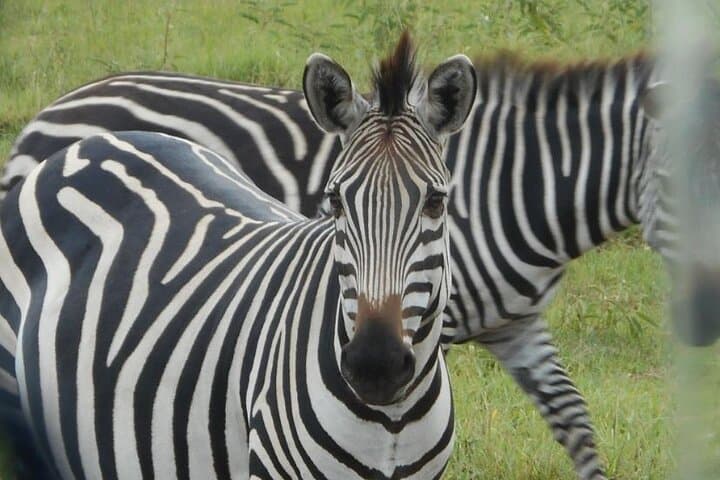
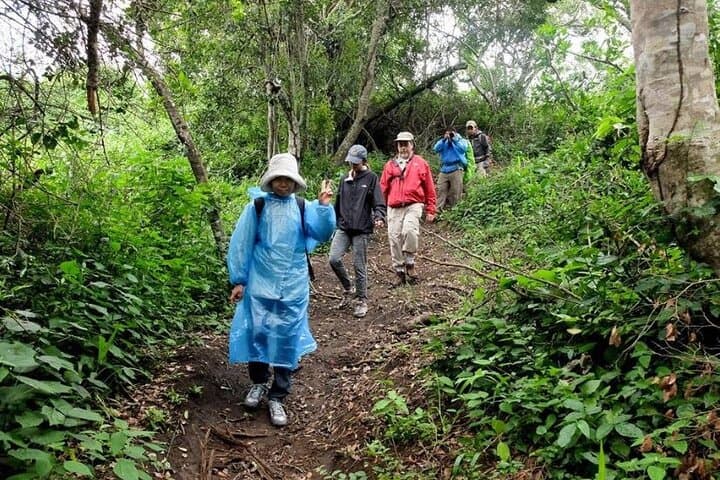
Dawn pushes cool light across the Virunga slopes as your 4x4 eases up a dirt track toward Mgahinga; clouds clasp the peaks and the pop-up roof opens to the first wary antelopes. Over seven days you move from Rwanda’s borderlands into a sequence of habitats — Afro-montane forest that holds mountain gorillas, open savannahs where elephants gather, and the water-bright Kazinga Channel where hippos dice reflections with crocodiles.
Dawn pushes cool light across the Virunga slopes as your 4x4 eases up a dirt track toward Mgahinga; clouds clasp the peaks and the pop-up roof opens to the first wary antelopes. Over seven days you move from Rwanda’s borderlands into a sequence of habitats — Afro-montane forest that holds mountain gorillas, open savannahs where elephants gather, and the water-bright Kazinga Channel where hippos dice reflections with crocodiles.
This itinerary threads history and geology: the Virunga volcanic chain carved steep crater ridges that funnel rainforest and support the endemic golden monkey, while Queen Elizabeth’s rift-edge plains reflect the East African Rift’s shaping of lakes and channels. Local culture is woven through: Batwa community guides and regional conservation efforts have altered how parks manage access and permits — a system designed to protect fragile primates and support local livelihoods.
Expect steep, muddy trails and a variable elevation range (roughly 1,200–2,700 m), with gorilla treks typically lasting 4–8 hours over uneven terrain and golden monkey hikes shorter but nimble. Game drives require long road transfers; bring patience for wildlife timing. Boat cruises on the Kazinga Channel run about two hours and concentrate shorebirds and megafauna. Practical edge: secure gorilla/monkey permits well in advance, wear broken-in waterproof boots, carry 2–3 liters of water, and plan for rain any time of year. Porters are often available to help on steep sections.
This is an expedition-paced safari: vivid, physically involved, and geared toward travelers who want face-to-face time with East Africa’s most iconic wildlife while supporting conservation-minded tourism.