THE ADVENTURE COLLECTIVE® · Independent discovery and booking for outdoor travel

Seven days of High Atlas trails, Berber villages, and a summit push to 4,167 m. This trek from Marrakech blends cultural stops, refuge nights, and high-altitude trekking for a compact mountain odyssey.
Seven days of High Atlas trails, Berber villages, and a summit push to 4,167 m. This trek from Marrakech blends cultural stops, refuge nights, and high-altitude trekking for a compact mountain odyssey.
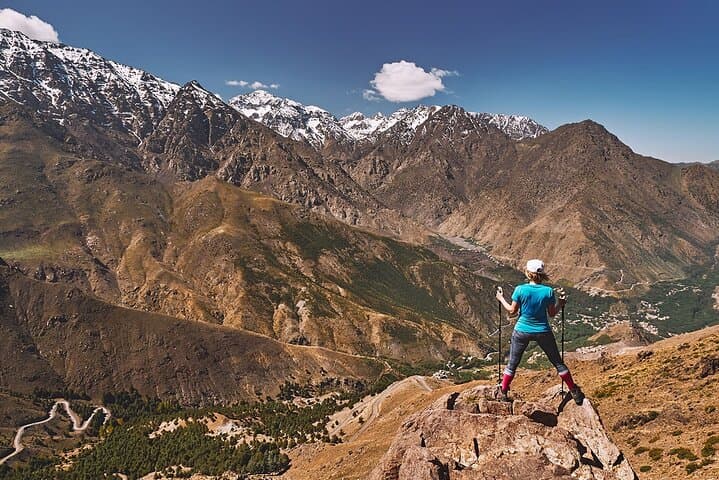
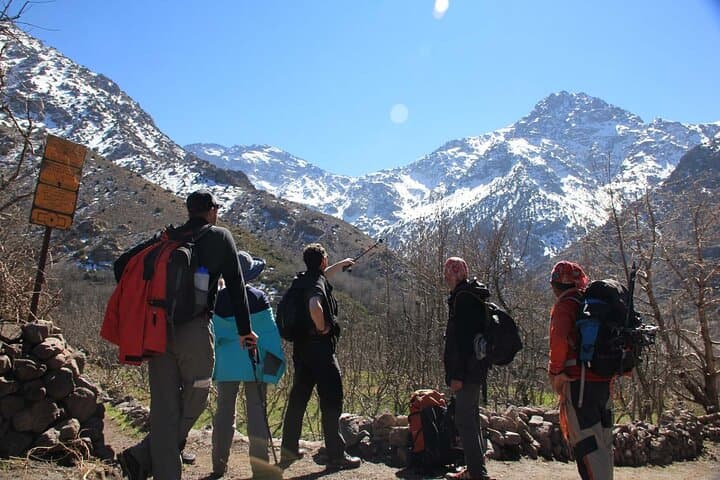
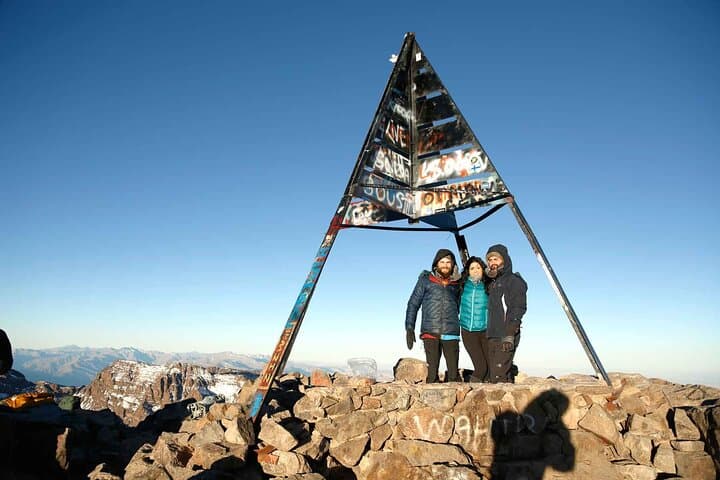
A cold dawn in the High Atlas cuts the night clean; lanterns wink outside the guesthouse in Imlil as porters tighten packs and guides sort maps. The trail climbs from village terraces into stony gullies, the air growing thinner and more honest with each switchback. By midweek the refuge sits like a white knot on the flank of Toubkal, and the summit — 4,167 m — dares you to step higher.
Verified experiences and guided adventures in the surrounding area.
Operated by Sunny Morocco · Marrakech, Marrakech-Safi
A cold dawn in the High Atlas cuts the night clean; lanterns wink outside the guesthouse in Imlil as porters tighten packs and guides sort maps. The trail climbs from village terraces into stony gullies, the air growing thinner and more honest with each switchback. By midweek the refuge sits like a white knot on the flank of Toubkal, and the summit — 4,167 m — dares you to step higher.
The massif is carved from ancient volcanic and metamorphic rock, a rugged spine separating the Haouz plain from pre-Saharan ranges. Berber villages like Imlil and Aremd have shepherded these valleys for centuries; you’ll pass marabouts, terraced fields, and mule tracks that have shaped local culture and hospitality. Guides here are as much cultural interpreters as route-finders, and the refuge system reflects a long history of mountain travel in Morocco.
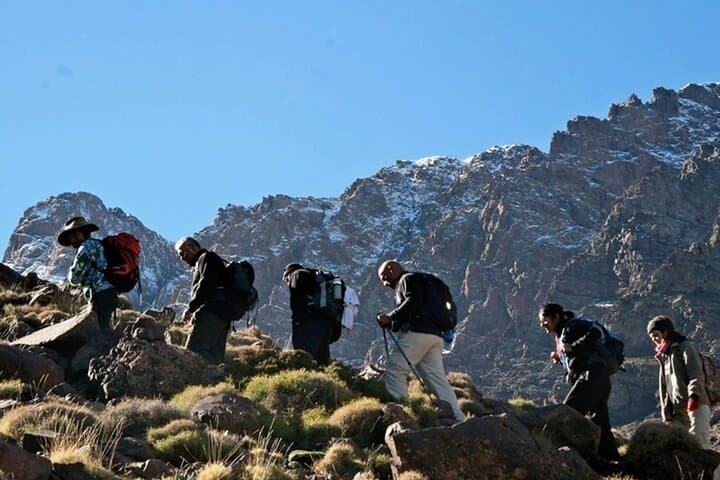
Expect long days of steady ascent, rocky paths, and occasional snowfields above 3,000 m depending on season. Navigation is straightforward on marked trails but weather can turn quickly — clouds can sweep up from the plains and stash wind on exposed ridges. Hydration and pacing are essential; altitude is the real variable, not technical difficulty.
Practical tips: train on sustained climbs with a loaded pack, bring layered insulation, and budget cash for village shops and tea stops. Nights alternate between riads and simple shelters; meals are mostly included from Imlil to the refuge. Whether you come for culture, geology, or the summit push, this seven-day circuit delivers a compact, high-altitude mountain experience with enough support to focus on the climb and the view.
challenging.
7 days.
Good aerobic fitness with experience on sustained ascents and multi-day hiking; able to carry a daypack and hike 6–8 hours.
The summit day is long and steep but non-technical; expect a 6–10 hour round trip from the refuge with significant elevation gain and possible snow near the top.
No technical climbing skills are required, but prior multi-day trekking and high-altitude experience are strongly recommended.
Meals listed in the itinerary (breakfast, lunch, dinner) are included during the trek; nights alternate between riads/guesthouses and the mountain refuge or shelters as outlined.
Altitude affects people differently; ascend slowly, stay hydrated, communicate symptoms to your guide, and be prepared to descend if severe symptoms occur.
The High Atlas has been home to Amazigh (Berber) communities for millennia; traditional mule tracks and marabout shrines mark long-standing cultural routes.
Trails see increasing use; stick to established paths, avoid single-use plastics, and support local guides to channel tourism benefits to village economies.
Sunny Morocco operates guided outdoor trips and adventures with an emphasis on safety, stewardship, and memorable experiences.
A cold dawn in the High Atlas cuts the night clean; lanterns wink outside the guesthouse in Imlil as porters tighten packs and guides sort maps. The trail climbs from village terraces into stony gullies, the air growing thinner and more honest with each switchback. By midweek the refuge sits like a white knot on the flank of Toubkal, and the summit — 4,167 m — dares you to step higher.
A cold dawn in the High Atlas cuts the night clean; lanterns wink outside the guesthouse in Imlil as porters tighten packs and guides sort maps. The trail climbs from village terraces into stony gullies, the air growing thinner and more honest with each switchback. By midweek the refuge sits like a white knot on the flank of Toubkal, and the summit — 4,167 m — dares you to step higher.
The massif is carved from ancient volcanic and metamorphic rock, a rugged spine separating the Haouz plain from pre-Saharan ranges. Berber villages like Imlil and Aremd have shepherded these valleys for centuries; you’ll pass marabouts, terraced fields, and mule tracks that have shaped local culture and hospitality. Guides here are as much cultural interpreters as route-finders, and the refuge system reflects a long history of mountain travel in Morocco.
Expect long days of steady ascent, rocky paths, and occasional snowfields above 3,000 m depending on season. Navigation is straightforward on marked trails but weather can turn quickly — clouds can sweep up from the plains and stash wind on exposed ridges. Hydration and pacing are essential; altitude is the real variable, not technical difficulty.
Practical tips: train on sustained climbs with a loaded pack, bring layered insulation, and budget cash for village shops and tea stops. Nights alternate between riads and simple shelters; meals are mostly included from Imlil to the refuge. Whether you come for culture, geology, or the summit push, this seven-day circuit delivers a compact, high-altitude mountain experience with enough support to focus on the climb and the view.