THE ADVENTURE COLLECTIVE® · Independent discovery and booking for outdoor travel

Spend a week learning to surf from qualified local coaches on Hikkaduwa’s reef-shaped beach breaks, staying in eco-minded wooden cabanas. The package blends ten hours of lessons with communal meals, equipment access, and evening social nights.
Spend a week learning to surf from qualified local coaches on Hikkaduwa’s reef-shaped beach breaks, staying in eco-minded wooden cabanas. The package blends ten hours of lessons with communal meals, equipment access, and evening social nights.
On a warm morning in Hikkaduwa the ocean breathes in slow, steady pulls; foam slides across black sand and coaches call out cues as soft-top boards line up beneath palm shade.
Verified experiences and guided adventures in the surrounding area.
Operated by Hippy Surfcamp · Hikkaduwa, Southern Province
On a warm morning in Hikkaduwa the ocean breathes in slow, steady pulls; foam slides across black sand and coaches call out cues as soft-top boards line up beneath palm shade.
The camp’s wooden cabanas sit a short walk from the reef—simple, sustainable structures that put the water at the center of your day. The experience is structured around ten hours of coached instruction across the week, with free access to boards for extra practice between sessions.
Geologically this stretch is a coral platform punctuated by shallow reef and lagoon breaks, which create forgiving whitewater for learners and occasional shoulder waves for progression. Culturally, Hikkaduwa evolved from a fishing village into a surf town after international visitors discovered its consistent beach breaks; you’ll encounter local seafood vendors, small shrines, and evening BBQs that showcase coastal Sri Lankan flavors.
The program covers ocean safety, board handling, paddling, positioning and surf etiquette. Coaches are ISA Level 1 qualified with surf rescue certificates, prioritizing staged progression—start in whitewater, build confidence, then move to smaller shoulder waves when ready. Sessions are typically scheduled for morning and late afternoon to avoid peak sun and onshore winds.
Practical guidance: bring reef‑safe sunscreen, a reusable water bottle, and a swim level comfortable with ocean currents; rash shirts are provided but reef booties help for rocky entries. Peak surfing months on the southwest coast run November–April. Evenings include communal BBQs and movie nights—good places to compare lines and plan the next tide.
moderate.
7 days.
Suitable for casual to moderately fit travelers who can swim and handle repeated paddling and pop-ups; expect full days on the sand and in the water.
No — the package is built for beginners with staged instruction, though comfortable swimming is required.
Soft-top surfboards, rash shirts, and instruction are included; participants may use equipment for self-practice outside lesson times.
Southwest coast conditions are most consistent from November through April, with cleaner offshore winds and manageable swells for learners.
Pickup and transfer options are offered—booking questions request arrival flight details so transfers can be arranged.
Hikkaduwa grew from a small fishing community to a surf destination; the nearby reef and coastal trade routes shaped local livelihoods for centuries.
The reef is vulnerable—choose reef-safe sunscreen, avoid standing on coral, and support eco-minded camps that promote reef protection.
Hippy Surfcamp operates guided outdoor trips and adventures with an emphasis on safety, stewardship, and memorable experiences.
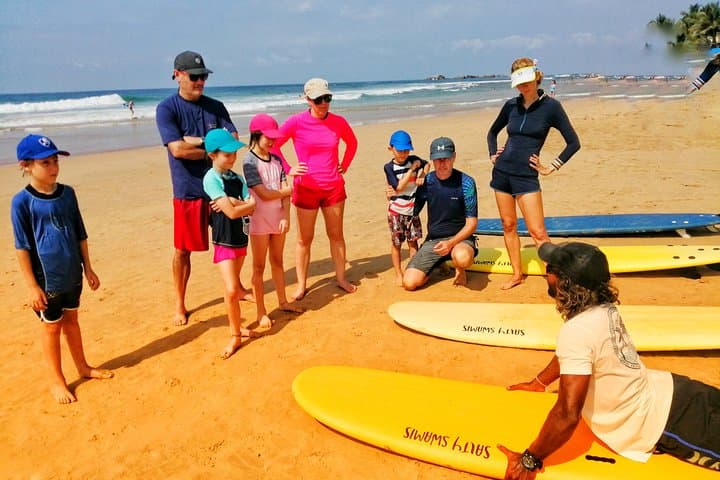
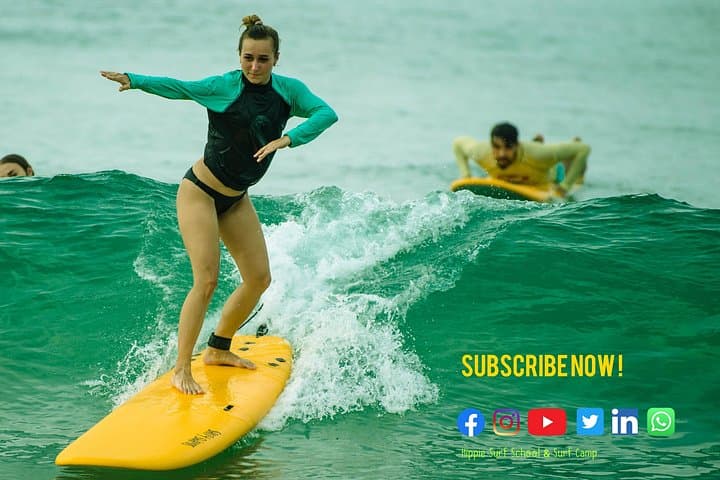
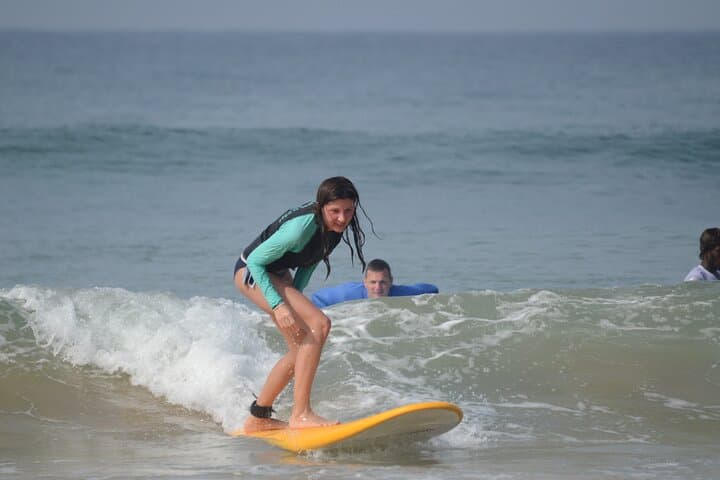
On a warm morning in Hikkaduwa the ocean breathes in slow, steady pulls; foam slides across black sand and coaches call out cues as soft-top boards line up beneath palm shade.
On a warm morning in Hikkaduwa the ocean breathes in slow, steady pulls; foam slides across black sand and coaches call out cues as soft-top boards line up beneath palm shade.
The camp’s wooden cabanas sit a short walk from the reef—simple, sustainable structures that put the water at the center of your day. The experience is structured around ten hours of coached instruction across the week, with free access to boards for extra practice between sessions.
Geologically this stretch is a coral platform punctuated by shallow reef and lagoon breaks, which create forgiving whitewater for learners and occasional shoulder waves for progression. Culturally, Hikkaduwa evolved from a fishing village into a surf town after international visitors discovered its consistent beach breaks; you’ll encounter local seafood vendors, small shrines, and evening BBQs that showcase coastal Sri Lankan flavors.
The program covers ocean safety, board handling, paddling, positioning and surf etiquette. Coaches are ISA Level 1 qualified with surf rescue certificates, prioritizing staged progression—start in whitewater, build confidence, then move to smaller shoulder waves when ready. Sessions are typically scheduled for morning and late afternoon to avoid peak sun and onshore winds.
Practical guidance: bring reef‑safe sunscreen, a reusable water bottle, and a swim level comfortable with ocean currents; rash shirts are provided but reef booties help for rocky entries. Peak surfing months on the southwest coast run November–April. Evenings include communal BBQs and movie nights—good places to compare lines and plan the next tide.